The Texas culinary landscape has long been defined by the smoke of barbecue pits and the reach of regional Tex-Mex, but a shift is occurring. With the release of The New York Times’ ‘The Restaurant List 2026,’ the national conversation has turned toward a more refined, deliberate expression of Mexican heritage. Two specific institutions—Austin’s Paprika and El Paso’s Elemi Taqueria—have earned the distinction of being named among the staff’s favorite restaurants of the year, signaling a major evolution in how the industry and consumers alike value the humble taco.
Key Highlights
- National Recognition: Austin’s Paprika and El Paso’s Elemi Taqueria were selected for The New York Times’ prestigious ‘The Restaurant List 2026,’ highlighting their role in the current culinary zeitgeist.
- Technique Over Trend: Both restaurants are lauded not for gimmicks, but for their commitment to traditional processes, specifically the laborious and technically demanding practice of nixtamalization.
- Regional Diversity: The inclusion of both an Austin establishment and an El Paso gem underscores the geographic and cultural diversity of the Texas food scene.
- A Growing Movement: These recognitions validate a broader trend of ‘heritage cooking’ where restaurants prioritize sourcing, heirloom grains, and deep-rooted cultural techniques over convenience.
The New Guard of Texas Gastronomy
The inclusion of Paprika and Elemi Taqueria on the 2026 edition of ‘The Restaurant List’ is more than a trophy for their respective owners; it serves as a bellwether for the future of American dining. For decades, the taco was often categorized as ‘fast food’ or ‘late-night fuel.’ Today, however, the narrative has shifted toward the artisanal. The New York Times’ rigorous selection process, which relies on the on-the-ground experiences of staff reporters, indicates that the bar for ‘excellent’ has risen significantly.
Paprika: Austin’s Maverick Approach
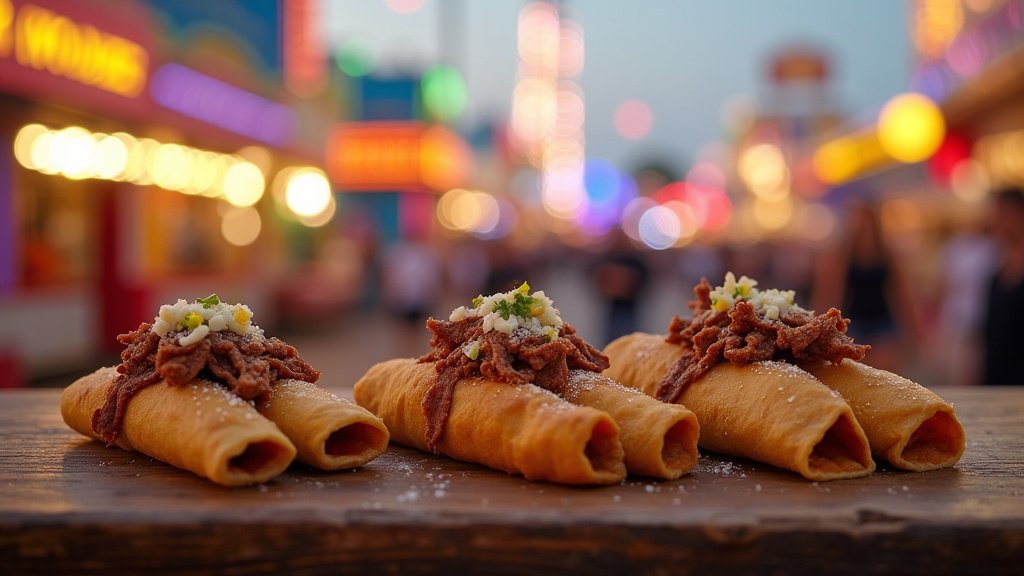
In Austin, a city known for its saturated restaurant market, Paprika has distinguished itself by stripping away the noise. The establishment does not rely on sprawling menus or complex fusion concepts. Instead, it leans into the purity of the product. The recognition from The New York Times highlights a specific focus on the textural integrity of their offerings. By mastering the balance between the crispness of the exterior and the tenderness of the masa, Paprika has demonstrated that consistency and focus are the keys to longevity. For Austin’s dining culture, this serves as a reminder that even in a city obsessed with the ‘next big thing,’ simple, expertly executed traditionalism remains the gold standard.
Elemi: The Science of the Corn
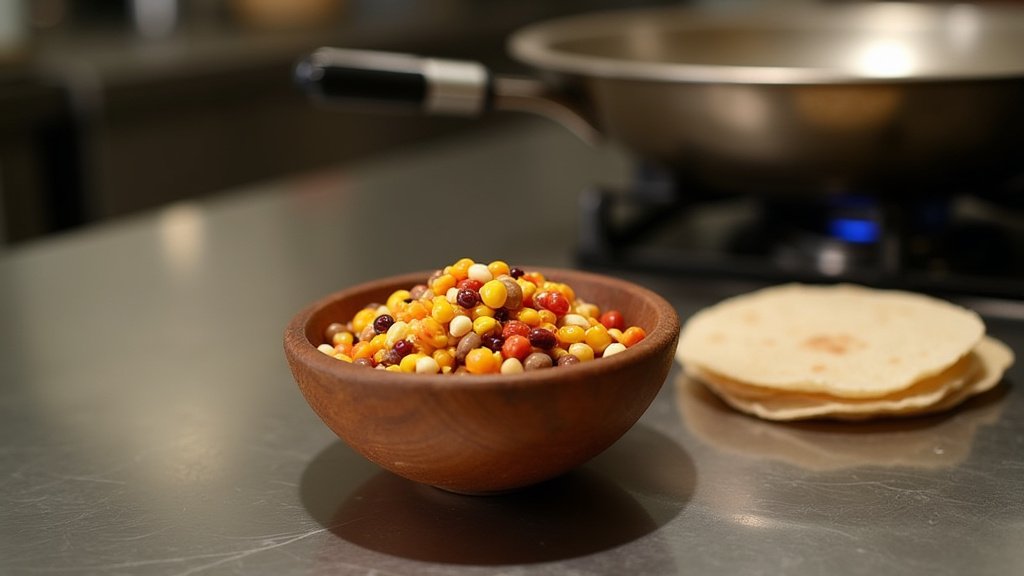
Crossing the state to El Paso, Elemi Taqueria offers a different perspective on the craft. If Paprika is about the artistry of the finished product, Elemi is about the science of the foundation. The restaurant’s commitment to nixtamalization—the traditional process of treating maize in an alkaline solution—is central to its acclaim. By milling their own heirloom corn in-house, Elemi elevates the tortilla from a vessel to a star component of the meal. The New York Times’ recognition underscores that El Paso is not merely a regional outpost but a critical hub of authentic culinary innovation. This acknowledgment brings well-deserved eyes to the borderland’s unique culinary geography, which often bridges the gap between traditional Mexican street food and the elevated demands of modern gastrometrics.
Implications for the Texas Culinary Economy
When a publication as influential as The New York Times features a restaurant, the immediate impact is a surge in tourism and public interest. For both Austin and El Paso, this is an economic win. However, the long-term implications are equally significant. Local farmers and suppliers of heirloom grains often see a ‘trickle-down’ effect. As demand for high-quality, authentic tortillas rises, so does the demand for the raw ingredients that make them possible. We are likely to see more restaurants in Texas pivot toward in-house processing, potentially leading to a more robust local supply chain for heritage corn varieties. This shift reduces reliance on mass-produced, commodity-grade flour and supports smaller, sustainable agricultural practices.
Looking Forward: The Craftsmanship Revival
The ‘Best Restaurants’ list is not just a guide; it is a catalog of where the industry is heading. With Paprika and Elemi leading the charge, Texas is positioning itself as a central player in the global conversation regarding heritage-focused cuisine. Critics and diners alike are moving away from the ephemeral nature of ‘food trends’—the cronuts and the over-the-top milkshakes—and toward a profound appreciation for the time-tested labor of the kitchen. Whether it is the specific alkalinity of the soak or the precise temperature of the comal, the details matter now more than ever. For the patrons of Paprika and Elemi, this recognition is likely no surprise; for the rest of the country, it is a masterclass in why, in the world of food, the simplest things are often the most complex to get right.
FAQ: People Also Ask
1. What is the selection process for The New York Times’ ‘The Restaurant List’?
The Restaurant List is a curated selection produced by the staff of The New York Times. Reporters and editors travel extensively throughout the year, anonymously visiting hundreds of establishments to identify restaurants that stand out for their quality, consistency, and unique contribution to their local food culture.
2. What is nixtamalization and why is it important?
Nixtamalization is an ancient Mesoamerican process where corn is soaked and cooked in an alkaline solution (usually limewater). This process removes the outer hull, increases nutritional value by making niacin more bioavailable, and creates the specific dough (masa) required for authentic tortillas. Restaurants recognized for this process are often praised for their superior flavor and texture compared to those using commercially processed flour.
3. How does this recognition impact the local economies of Austin and El Paso?
Being featured on a major national list typically results in an immediate increase in foot traffic and reservations, benefiting the local hospitality workforce. Beyond the immediate buzz, it often encourages the growth of a local supply chain for high-quality ingredients, supporting regional farmers and specialized distributors, thereby strengthening the local food ecosystem.