Tensions in Lubbock, Texas, have reached a boiling point as residents initiate a recall campaign against city officials, challenging the municipal approval of controversial land annexations and rezoning initiatives. At the center of the dispute is a proposed hyperscale AI data center, a project that has become the flashpoint for local anxieties regarding long-term resource management, water usage, and the rapid, unchecked industrialization of municipal outskirts.
Key Highlights
- Recall Effort: Lubbock citizens have formally organized a recall campaign targeting members of the City Council who voted in favor of the land annexation and rezoning.
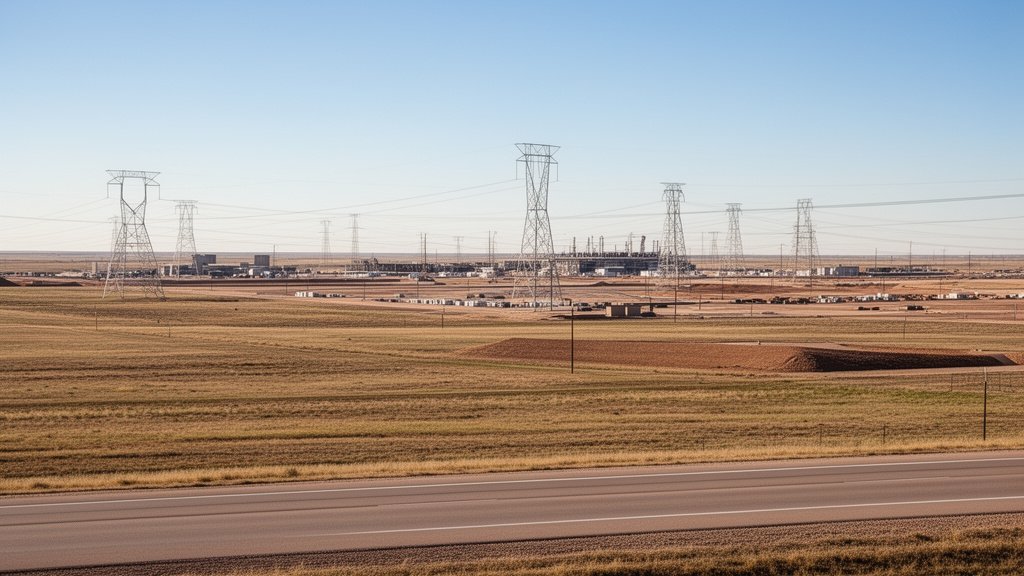
- The Catalyst: The controversy stems from specific City Council approvals aimed at expanding the footprint near the Reese Technology Center to accommodate hyperscale data facility infrastructure.
- Resource Anxiety: Primary public opposition cites fears over the massive water cooling requirements and electricity loads necessary to sustain modern artificial intelligence infrastructure.
- Governance Concerns: Critics argue the council failed to provide adequate transparency regarding the long-term environmental impact of the development on the region’s already stressed aquifers.
The Battle for the High Plains: Infrastructure vs. Community
The municipal landscape of Lubbock is currently defined by a sharp divide between the city’s economic development ambitions and the preservationist concerns of its constituents. The root of the controversy lies in the annexation and subsequent rezoning of tracts of land that critics claim were pushed through without sufficient public discourse. For the residents of Lubbock, this isn’t just about zoning; it is about the existential threat of resource exhaustion.
The Hyperscale Challenge
Modern artificial intelligence facilities, often referred to as “hyperscale” data centers, are vastly different from standard industrial developments. They function as 24/7, high-density computing environments that demand an enormous, constant supply of electricity and, crucially, water for cooling. In the Texas High Plains, where water scarcity is a persistent, underlying concern for the agricultural and residential sectors, the introduction of a facility that consumes millions of gallons of water annually is viewed by many as a direct threat to local sustainability.
The Mechanics of the Recall
In Texas, the process of recalling a city official is a high-stakes, legally rigorous endeavor. For the Lubbock residents, the recall effort serves as both a political tool and a message. By attempting to trigger special elections for the seats held by council members who voted for the rezoning, opponents are signaling that local zoning decisions cannot be treated as isolated administrative tasks. They are arguing that these decisions represent a fundamental shift in the city’s identity—moving from a traditional, resource-conscious community toward an industrial hub for big tech.
Economic Incentives vs. Hidden Costs
A secondary angle that often escapes the initial headlines is the economic trade-off. Proponents of the data center development argue that such projects bring high-value tax revenue and jobs to the region. However, critics counter that these financial gains are often offset by “hidden costs.” These include the tax incentives (often 10-year abatements) that frequently accompany such deals, which reduce the actual immediate tax windfall for the city, while the burden of upgrading the power grid and maintaining infrastructure falls on the local taxpayer.
A Precedent for Texas Municipalities
This conflict serves as a case study for other Texas cities currently being courted by tech giants. As the Silicon Hills region around Austin reaches capacity, tech firms are looking toward more affordable, land-rich areas like Lubbock. How the Lubbock City Council navigates this recall threat may set a precedent for how other municipalities in the state handle the pressure of the “AI Gold Rush” versus local resident quality-of-life concerns.
Looking Ahead: The Future of Land Use
The outcome of this struggle will likely hinge on the upcoming election cycles and the ability of the city to provide transparent impact studies regarding water and electricity consumption. If the recall effort gains enough traction, it will force a wider debate about whether the promise of technological advancement is worth the physical and environmental cost to the local landscape. The residents of Lubbock are not just fighting a construction project; they are fighting for a voice in the long-term vision of their city’s growth.
FAQ: People Also Ask
What is a hyperscale data center?
A hyperscale data center is a facility that is significantly larger and more powerful than a traditional enterprise data center. These sites are designed to support massive-scale cloud computing and artificial intelligence operations, often requiring tens of thousands of servers and extreme cooling measures.
Why are residents concerned about water usage?
Data centers often use “evaporative cooling” systems to manage the intense heat generated by servers. This process requires vast quantities of water, which raises significant environmental concerns in regions like the Texas High Plains, where water is a limited and precious resource.
What is the legal status of a municipal recall in Lubbock?
In Texas, home-rule cities like Lubbock have charter provisions that allow for the recall of city council members. This process typically requires a verified petition signed by a specific percentage of registered voters within a set timeframe to trigger a recall election.
How does annexation affect zoning?
Annexation is the process by which a city expands its boundaries to incorporate adjacent land. Once annexed, the land falls under the city’s jurisdiction, allowing the City Council to rezone the area for industrial or commercial use, even if that use was previously restricted under county regulations.