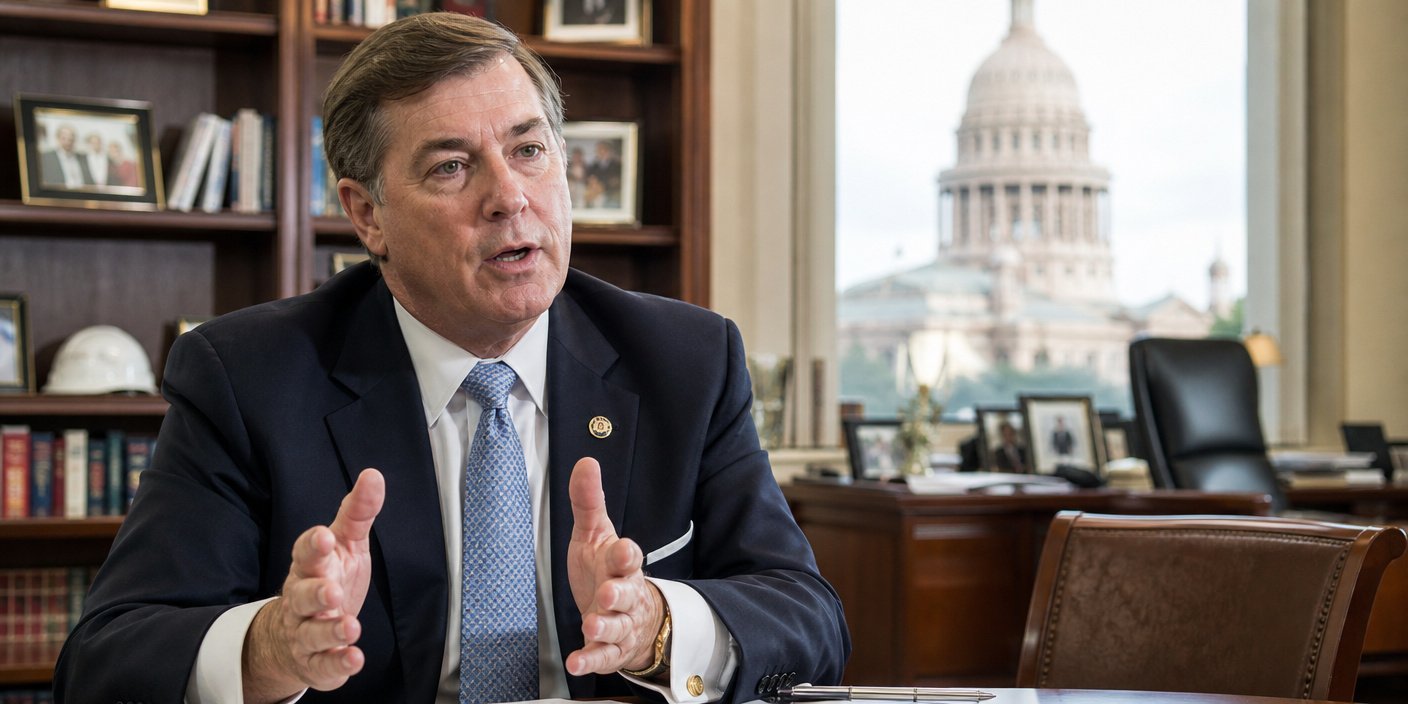
Congressional Democrats have strongly condemned remarks made by a Texas candidate, labeling them as antisemitic and demanding accountability.
Key Highlights:
- Democrats unite in sharp criticism of the Texas candidate’s recent statements.
- The remarks are being widely described as antisemitic and unacceptable.
- Calls for the candidate to withdraw or face consequences are mounting.
- The incident highlights ongoing concerns about extremism in political discourse.
Political Firestorm Erupts Over Antisemitic Slurs
In a swift and unified response, a significant bloc of Congressional Democrats has publicly denounced a Texas candidate for a series of statements widely perceived as antisemitic. The outcry, which began surfacing through social media and was quickly amplified by watchdog groups, has escalated into a full-blown political crisis for the candidate, whose name has become synonymous with controversial rhetoric. The specific remarks, which targeted Jewish individuals and communities, have drawn sharp rebukes from lawmakers across the political spectrum, though the most vocal criticism has emanated from within the Democratic party. These pronouncements are not isolated incidents but appear to be part of a pattern of inflammatory language that has characterized the candidate’s public persona.
Historical Context of Antisemitism in Political Rhetoric
The current controversy echoes historical patterns of antisemitism that have unfortunately surfaced in political discourse throughout history. From ancient libels to modern conspiracy theories, anti-Jewish sentiment has often been weaponized for political gain, exploiting prejudice and fear. The current situation underscores the persistent threat of such rhetoric and the importance of vigilance in identifying and confronting it. Experts note that antisemitic tropes, often disguised or subtly employed, can have a corrosive effect on public discourse and social cohesion.
Democratic Party’s Stance on Hate Speech
Congressional Democrats have consistently championed inclusivity and condemned all forms of hate speech. This latest incident is seen as a direct challenge to those values. Leaders within the party have emphasized that there is no place for antisemitism, or any form of bigotry, within public service or political campaigns. The condemnation serves as a clear signal that such language will not be tolerated, regardless of the political affiliation of the speaker. The party is now grappling with how to address the situation, with some advocating for official censure and others pushing for the candidate’s immediate withdrawal from the race.
Implications for the Texas Election
The controversy surrounding the candidate’s remarks is expected to have significant repercussions in the upcoming Texas election. Political analysts suggest that the widespread condemnation could alienate potential voters and energize opposition campaigns. Furthermore, the incident may force other candidates in the race to take a definitive stance, potentially creating divisions or realignments within local political landscapes. The long-term impact on the candidate’s political future, and the broader implications for discourse in Texas politics, remain to be seen.
FAQ: People Also Ask
What specific remarks are being criticized?
The remarks, while varied, generally involve harmful stereotypes and conspiracy theories often associated with antisemitic propaganda, targeting Jewish individuals and their perceived influence.
What are the potential consequences for the candidate?
Consequences could range from official censure by political bodies, damage to their reputation, loss of campaign support, and potentially pressure to withdraw from the election.
How has the candidate responded to the accusations?
As of now, the candidate’s response has been largely dismissive, often attributing the criticism to political opponents or misinterpretations of their statements. Specific apologies have not been forthcoming.
Why is antisemitism a particular concern in political discourse?
Antisemitism taps into deep-seated historical prejudices and conspiracy theories, which can be easily exploited to incite hatred, distrust, and violence, posing a threat to democratic values and social harmony.
What is the role of watchdog groups in these situations?
Watchdog groups play a crucial role in monitoring and exposing hate speech and extremist rhetoric in public life, bringing attention to such issues and advocating for accountability.