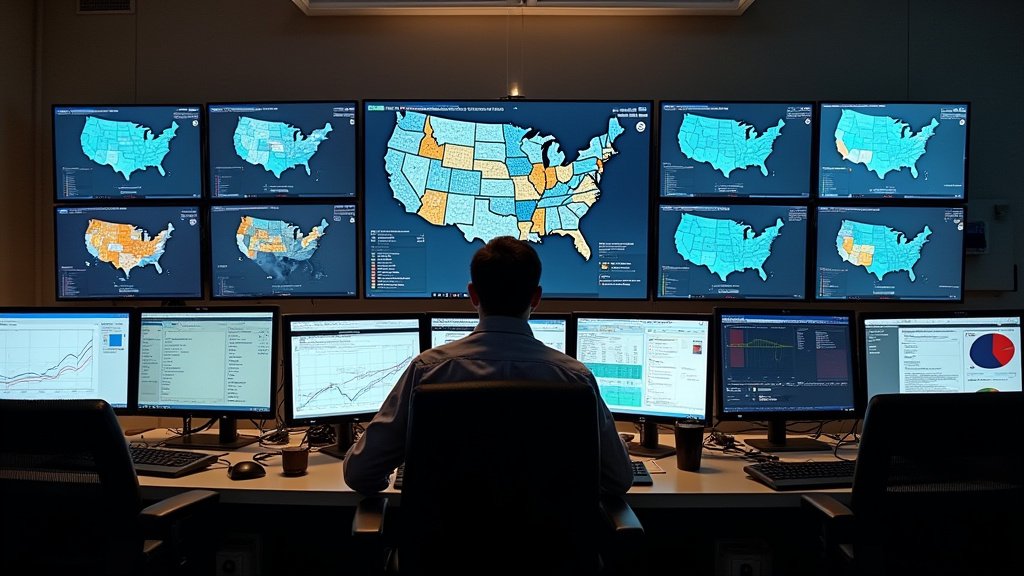


The Public Utility Commission of Texas (PUCT) is preparing for a pivotal vote on three proposed high-voltage transmission lines in the West Texas region, a move that comes directly on the heels of the commission’s contentious approval of two major infrastructure projects last month. As the state grapples with skyrocketing energy demand fueled by industrial growth in the Permian Basin, commissioners find themselves navigating a complex landscape defined by the urgent need for grid reliability and mounting public apprehension regarding the scope and placement of new electrical infrastructure.
Key Highlights
- Critical Infrastructure Vote: The PUCT will deliberate on three distinct transmission line applications intended to bolster the West Texas grid, following the approval of two major lines in the previous monthly cycle.
- Addressing Grid Instability: These proposals are part of a broader, state-led effort to mitigate congestion and support the immense energy requirements of the oil and gas sector alongside emerging renewable energy projects.
- Public Scrutiny at Peak: Regulatory authorities face significant pushback from rural landowners, environmental advocates, and local organizations concerned about eminent domain, property valuation, and landscape preservation.
- Strategic Reliability: The outcome of these votes will serve as a bellwether for the commission’s willingness to fast-track infrastructure amidst vocal public resistance.
Balancing Reliability and Public Interest in the Permian Basin
The West Texas energy landscape is at a breaking point. For years, the Permian Basin—the engine room of American oil and gas production—has seen energy demand outpace the capacity of existing grid infrastructure. The current slate of three transmission line proposals represents an aggressive attempt by the PUCT to rectify these deficits. However, the regulatory process has evolved into a contentious public debate. Unlike the quiet technical approvals of decades past, these proceedings are now heavily scrutinized by a coalition of landowners who argue that the rapid deployment of high-voltage lines disproportionately disrupts rural livelihoods.
The Mechanics of the Grid Crunch
At the heart of the debate is the physical limitation of the current transmission network. As ERCOT (the Electric Reliability Council of Texas) has repeatedly warned, the concentration of load in West Texas creates “bottlenecks” that jeopardize the stability of the entire state grid. The proposed transmission lines are designed to alleviate this congestion by creating new high-capacity pathways. These lines are not merely local distribution projects; they are massive engineering feats designed to handle hundreds of megawatts of power, effectively acting as the arteries of the Texas economy. Failure to approve these lines could result in localized brownouts and a higher cost of doing business, yet the cost of approval is paid by those residing in the path of construction.
The ‘Public Pressure’ Factor
Public pressure has manifested primarily through administrative intervention and public hearings. Landowners have raised concerns regarding “corridor fatigue,” where rural counties see multiple high-voltage projects cutting across property lines in short succession. Recent months have seen a heightened level of civic engagement, with local coalitions requesting environmental impact studies that go beyond the state’s standard regulatory requirements. For the PUCT, this presents a unique dilemma: the mission to maintain grid reliability often runs counter to the individual rights of those residing in the path of progress. Commissioners must now decide if the existing compensation models for land usage are sufficient to offset the social and economic disruption identified during the public comment periods.
Economic and Infrastructure Forecasts
Looking ahead, the vote on these three lines will signal the long-term strategy of the Texas grid. If approved, these projects will likely accelerate the transition toward a more robust, decentralized energy network. However, stakeholders are closely watching the commission for signs of policy shifts. Will the PUCT mandate undergrounding or rerouting to appease public sentiment, or will the state prioritize speed and scale to ensure energy security for the Permian Basin? Most industry analysts suggest that the state is trending toward prioritizing rapid grid deployment, regardless of local resistance, as the economic impact of a grid failure in the Permian Basin carries a far higher political and financial cost than the localized impact of transmission construction.
FAQ: People Also Ask
1. Why is the Public Utility Commission (PUCT) voting on transmission lines in West Texas now?
The commission is acting in response to an urgent need to alleviate grid congestion in the Permian Basin, where demand from oil and gas operations and renewable energy projects has outstripped current infrastructure capacity. The votes are part of a strategic, ongoing effort to stabilize the Texas grid.
2. What has been the nature of the public pressure regarding these lines?
Public pressure primarily comes from rural landowners and local organizations concerned about eminent domain, the degradation of rural landscapes, property value depreciation, and the lack of comprehensive environmental impact assessments for new transmission routes.
3. Will these lines solve the grid instability in Texas?
While these three lines, along with the two previously approved, are significant steps toward reducing bottlenecks, they are part of a massive, ongoing, multi-year infrastructure overhaul. They significantly improve reliability but are not a “silver bullet” for all grid issues.
4. How does the PUCT reconcile energy needs with landowner rights?
The PUCT is legally mandated to consider both the public necessity of the infrastructure and the impact on local property owners. They utilize public hearings and docket review processes to weigh these factors, often requiring project developers to minimize environmental and visual impact while maintaining project feasibility.