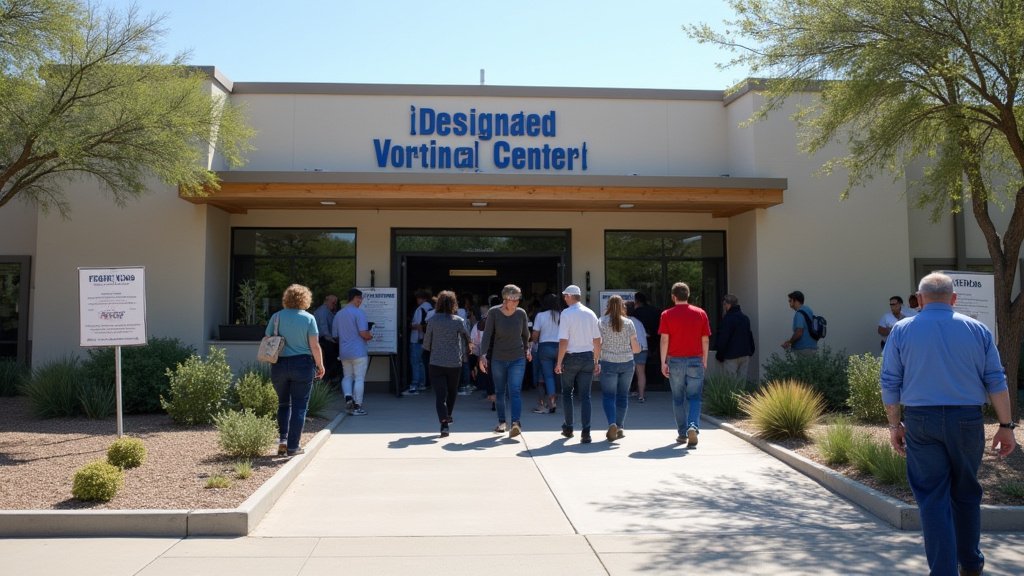

The Texas political landscape is witnessing an unexpected tremor in its rural foundations. Long considered the bedrock of Republican support, rural counties across the Lone Star State are increasingly voicing intense opposition to the industrialization of their landscapes by the data center and power infrastructure boom. This grassroots friction, stemming from concerns over property rights, local water usage, and grid reliability, is creating a growing political liability for Republican leadership as they look toward the 2026 midterms.
The Infrastructure Collision
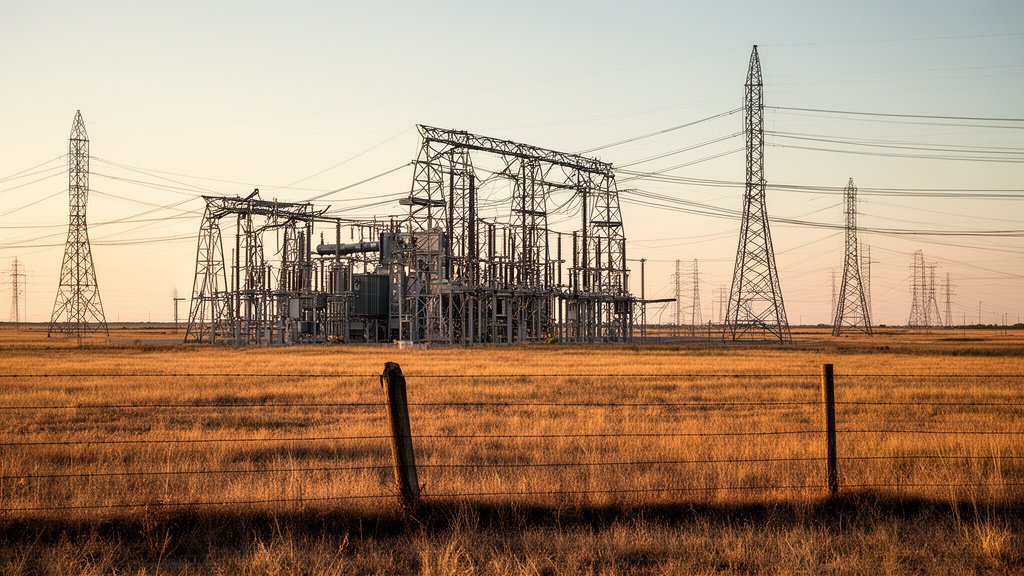
For decades, the rural Texas Republican identity has been built on the dual pillars of private property rights and local autonomy. However, the rapid proliferation of massive, energy-hungry data centers has placed these values in direct conflict with the state’s aggressive push for industrial expansion. These facilities—which can consume as much electricity as a small city—are often accompanied by extensive, high-voltage transmission lines and massive electrical substations that slice through private ranches and agricultural land. Residents in counties near the Dallas-Fort Worth metroplex and the I-35 corridor report feeling “invaded” by infrastructure that serves distant corporate interests while degrading the character and utility of their own land.
This is not merely a “Not In My Backyard” (NIMBY) movement; it is a fundamental clash of ideologies. Rural voters who pride themselves on self-reliance are finding that state-level policy decisions often favor industrial development at the expense of their own control. The Public Utility Commission of Texas (PUC) and the Electric Reliability Council of Texas (ERCOT) have become focal points of this ire. Residents are demanding more transparency regarding how these infrastructure projects are approved and why rural landscapes are being prioritized for high-impact industrial zones.
The Strain on ERCOT and Local Resources
The technological allure of being a national hub for data centers—driven by artificial intelligence development and the state’s deregulated energy market—has faced a cold reality check at the local level. Beyond the visual blight of sprawling server warehouses, the primary concern for many rural Texans is the load these facilities place on an already fragile electrical grid.
Concerns over water usage have also intensified. Data centers require massive quantities of water for cooling, a precious resource in a state that frequently grapples with drought conditions. When local agricultural operators see their own access to water or power threatened to support the cooling systems of massive data farms, the narrative of “pro-business development” loses its luster. This tension creates a specific political problem for the Republican party: how to balance the support of large-scale industry—a traditional GOP tenet—with the protection of a rural base that feels increasingly sacrificed for that very industry.
The 2026 Political Fallout
As the 2026 midterms approach, this disconnect has created a dangerous vacuum for GOP incumbents. Historically, the Republican brand in rural Texas was secure, with local officials rarely facing pressure on infrastructure development. Today, the conversation is shifting. Primary challengers are beginning to weaponize this resentment, running on platforms that emphasize stricter local zoning, mandated environmental impact studies, and a demand for a “rural-first” energy policy.
If the Texas state leadership fails to pivot—or at least offer more substantial concessions to rural landholders—the “red wall” could see significant fractures in key electoral districts. The risk is not necessarily a sudden swing to the Democratic party, but rather a surge in primary challenges and a decline in voter turnout from the disillusioned conservative base. When voters feel their economic interests are being subordinated to the needs of tech giants and energy conglomerates, they stop viewing the Republican party as the defender of their way of life, and start viewing it as an architect of their displacement.