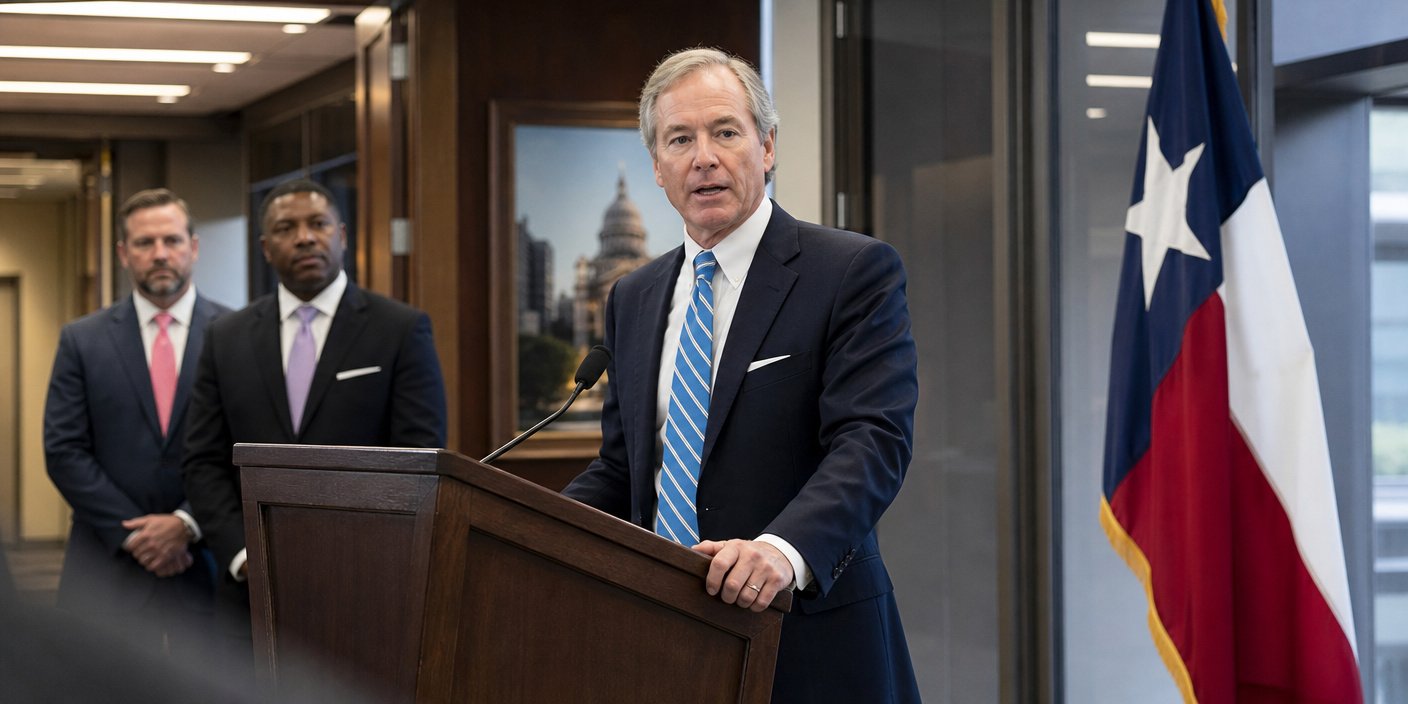


Texas Attorney General Ken Paxton has achieved a historic legal milestone, becoming the first state official to successfully hold TikTok liable for misleading parents regarding the safety of its platform and exposing minors to graphic, age-inappropriate content. This district court ruling represents a pivotal moment in the ongoing battle between state regulatory bodies and global social media conglomerates, establishing a new precedent for how digital platforms may be held accountable for the content they serve to younger audiences.
Key Highlights
- Historic Legal Precedent: Texas becomes the first state in the nation to secure a ruling holding TikTok liable for misleading parents about platform safety protocols.
- Deceptive Practices Ruling: The court specifically addressed claims that TikTok deceived the public regarding its safety features, rather than solely focusing on the content itself.
- Protection of Minors: The ruling underscores the platform’s role in exposing minors to graphic and inappropriate content, violating the trust of parental stakeholders.
- Shifting Regulatory Landscape: This outcome signals a potential domino effect for other states currently pursuing similar litigation against tech giants.
The New Era of Digital Accountability: Decoding the TikTok Ruling
The judicial decision in Texas marks more than just a localized legal win; it signifies a tectonic shift in how the American legal system interprets the responsibilities of social media platforms under state-level consumer protection laws. By successfully arguing that TikTok misled parents, Attorney General Ken Paxton has bypassed the traditional federal immunities that often shield tech companies from liability regarding user-generated content.
The Anatomy of the ‘Deceptive Trade’ Argument
At the heart of the case is the legal argument involving the Deceptive Trade Practices Act. While federal laws like Section 230 of the Communications Decency Act have historically provided a broad shield for platforms against liability for what users post, Texas utilized a distinct approach. The state did not merely focus on the content—which is often protected by federal statute—but rather on the representation of the platform’s safety to the public.
The court accepted the argument that TikTok engaged in misleading behavior by advertising the platform as safe and curated for younger demographics while simultaneously failing to implement the promised safeguards. By marketing itself as a benign space for connection and creativity while systematically allowing exposure to graphic and mature content, the platform entered the realm of deceptive marketing, moving the focus away from the content itself and toward the platform’s commercial conduct.
Why This Ruling Matters for Parental Rights
For years, the conversation regarding Big Tech has centered on privacy and data mining. However, this ruling brings the focus back to the physical and emotional wellbeing of children. Parents have long complained about the algorithms that feed disturbing or inappropriate content to minors, even when safety settings are engaged. The court’s recognition of these complaints as a valid legal grievance validates the concerns of families across Texas and potentially the entire United States.
This decision empowers parents by legitimizing their role as stakeholders in digital policy. It forces the platform to reckon with the disconnect between its marketing materials and the actual, day-to-day user experience of millions of minors. The ruling effectively tells TikTok—and by extension, other major social media players—that marketing ‘safety’ is a binding commitment, not merely an advertising slogan.
Implications for Nationwide Tech Litigation
Following the victory in Texas, legal experts are already predicting that other state attorneys general will utilize this blueprint to launch their own investigations. The legal strategy employed here effectively creates a roadmap for overcoming federal preemption arguments. If one state can successfully prove that a company’s marketing of safety features is deceptive, the floodgates may open for a multi-state litigation effort that mirrors the tobacco or pharmaceutical lawsuits of previous decades.
This is not a death knell for TikTok, but it is a severe regulatory warning. The platform must now balance its engagement-driven algorithm with strict compliance requirements, or risk significant financial and operational penalties. The ruling essentially forces the company to choose between its current growth-at-all-costs business model and the legal realities of the jurisdictions in which it operates.
The Future of Platform Accountability
As we look toward the future, the primary question is whether the tech industry will attempt to self-regulate to prevent further state-level intervention, or if they will double down on their legal defenses. With the Texas ruling, the calculus has changed. The judiciary has signaled that when platforms claim to protect children, those claims must be backed by reality. Moving forward, platforms will likely face increased scrutiny regarding their transparency reports, algorithm disclosures, and safety efficacy. This case, led by the Texas Attorney General’s office, serves as the opening salvo in a much larger, nationwide contest over the governance of our digital future.
FAQ: People Also Ask
Q: How is this ruling different from previous TikTok lawsuits?
A: Most previous lawsuits against social media companies have been dismissed based on federal Section 230 protections. This victory is unique because Texas focused on ‘deceptive trade practices’ regarding safety marketing, rather than liability for the content itself.
Q: Will this ruling affect TikTok users outside of Texas?
A: While the ruling is currently tied to Texas law, it establishes a powerful legal precedent. Other states can use the arguments and legal foundations developed in this case to initiate their own legal actions, creating a ripple effect across the country.
Q: What does ‘liable for misleading parents’ actually mean in this context?
A: It means the court found sufficient evidence to suggest that TikTok made false or misleading claims to the public about how safe its platform is for children, failing to provide the safeguards they advertised, which constitutes a violation of consumer protection standards.