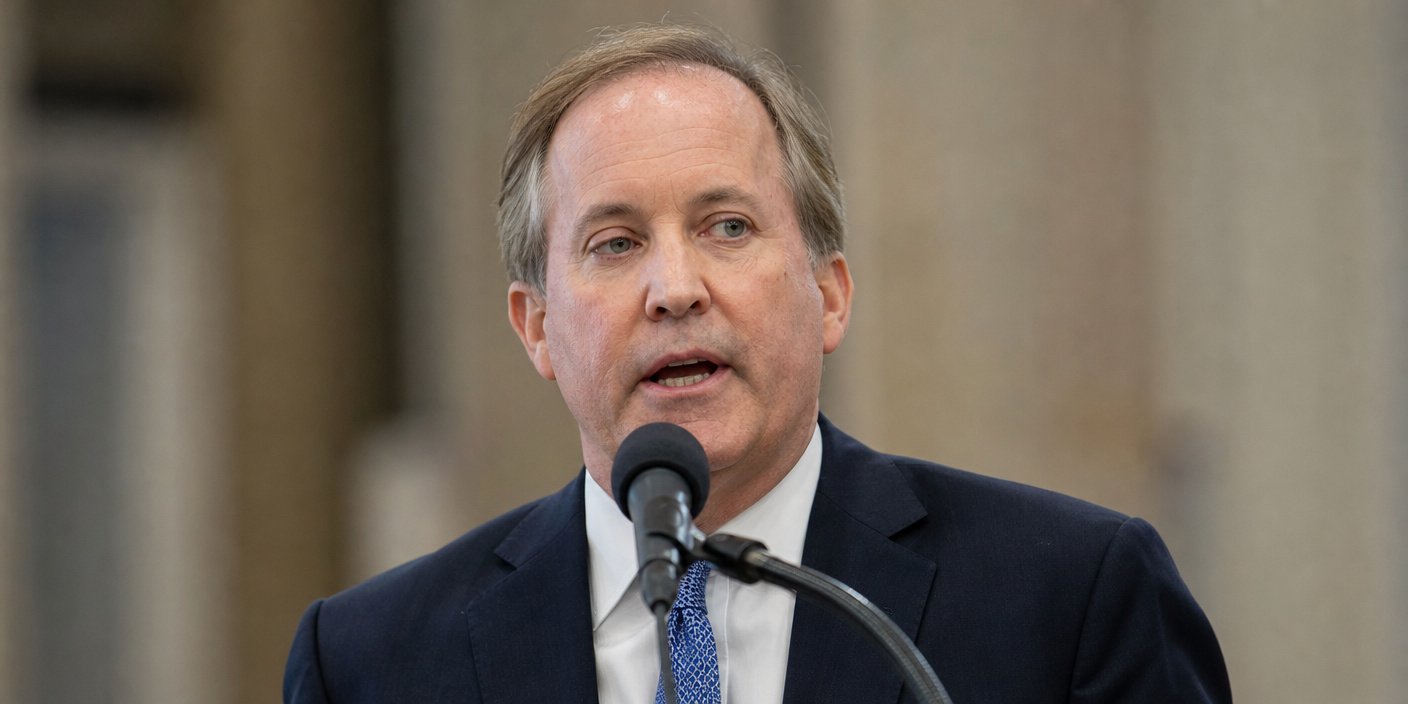

The United States-Mexico-Canada Agreement (USMCA), the cornerstone of North American economic integration, is entering a period of significant volatility. Recent signals from the Trump administration regarding strict trade enforcement and potential renegotiation of the existing framework have left industries—ranging from automotive manufacturing to agriculture—grappling with renewed uncertainty. While the agreement was designed to provide long-term stability, the looming mandatory 2026 review process is now being leveraged as a potential flashpoint for broader trade policy shifts.
The 2026 Review Clause as a Catalyst
At the heart of this tension is the ‘sunset clause’ embedded within the USMCA. Unlike NAFTA, which had no expiration, the USMCA mandates a review of the agreement by the three member nations in 2026. While technically an opportunity to confirm the agreement’s continued relevance, the current political climate has transformed this procedural milestone into a vehicle for potential structural change. President Trump’s rhetoric suggests that the administration intends to use this window not merely for a ‘tune-up’ of regulations, but to potentially overhaul provisions regarding labor, currency manipulation, and digital trade. For businesses operating on long-term capital investment cycles, this unpredictability is damaging. Companies that spent the last several years aligning their operations with USMCA standards now fear that the very rules they adapted to may be rewritten.
Supply Chain Vulnerabilities and Manufacturing
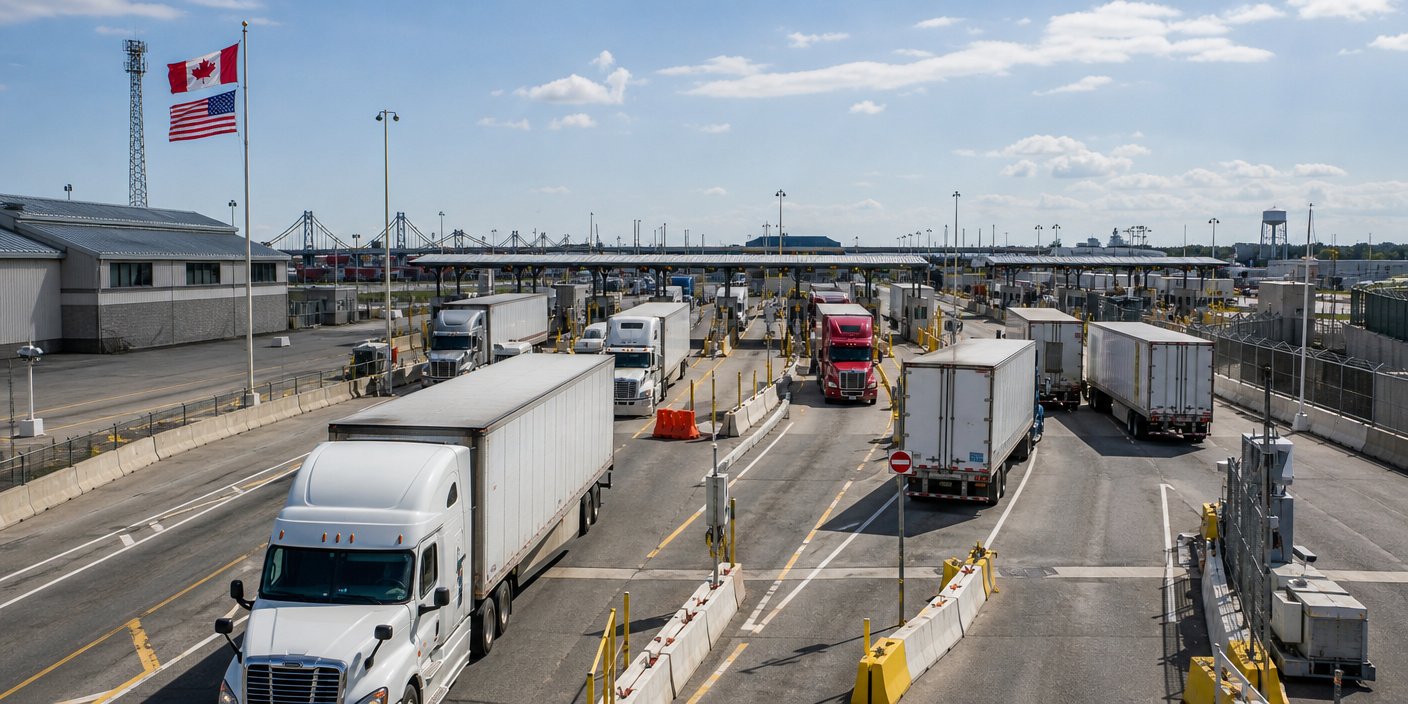
The North American automotive industry is arguably the most sensitive sector to these developments. The USMCA introduced complex ‘Rules of Origin’ that mandate a higher percentage of automotive parts be manufactured within the region to qualify for duty-free status. These regulations required massive adjustments to regional supply chains. Current administration signaling suggests a push for even stricter enforcement or localized content requirements, which manufacturers argue could inadvertently increase costs and slow production. If trade barriers were to rise, the ‘just-in-time’ manufacturing models—which rely on the seamless, rapid transit of parts across the U.S.-Mexico border—could face catastrophic bottlenecks. The risk is not just a slowdown in output but a fundamental disruption to the cost-benefit analysis that currently makes North American manufacturing competitive against overseas rivals.
Economic Impact and Market Reaction
Financial markets are highly sensitive to the rhetoric surrounding trade deals, as seen in the recent volatility of the Mexican Peso and Canadian Dollar relative to the U.S. Dollar. Investors prioritize certainty over the specifics of trade policy itself; when the administration hints at tariffs or ‘rebalancing,’ capital markets often react with defensive posturing. Economists warn that persistent uncertainty forces companies to delay hiring and capital expenditures (CapEx). If the administration pursues aggressive enforcement actions, it could lead to retaliatory measures from Mexico and Canada, potentially sparking a localized trade war that disrupts the flow of agricultural goods, energy, and services across the continent. The economic integration of the three nations is so deep that any disruption to the USMCA framework effectively acts as a tax on domestic consumers, raising the price of everything from produce to vehicles.
Legislative and Political Hurdles
While the administration possesses significant executive authority over trade enforcement, altering the substantive terms of the USMCA would likely require coordination with Congress and the Canadian and Mexican governments. The political landscape in Washington is fraught with differing opinions on protectionism versus free trade. Any attempt to fundamentally rewrite the deal could face stiff opposition from business lobbies and agricultural groups that rely heavily on open borders. Furthermore, Canada and Mexico have made it clear that they view the 2026 review as a tool for maintenance, not a vehicle for dismantling established trade privileges. As the administration continues to frame trade policy through the lens of ‘America First,’ the friction between these international commitments and domestic political goals is expected to intensify throughout the year.
FAQ: People Also Ask
1. What is the USMCA 2026 review?
The USMCA contains a ‘sunset clause’ requiring the three signatory nations (U.S., Mexico, Canada) to jointly review the agreement six years after its entry into force. This allows the parties to decide whether to extend the agreement for another 16 years, but it also allows any member to push for amendments or renegotiations.
2. Why is there uncertainty surrounding the agreement?
Uncertainty stems from the Trump administration’s rhetoric suggesting it may use the 2026 review to push for stricter enforcement of existing rules, higher local content requirements, or even deeper structural changes that could deviate from the original deal’s framework, potentially triggering retaliatory actions from partners.
3. How does this impact the automotive industry?
The automotive sector is the most affected because of the ‘Rules of Origin’ that dictate where components must be produced to avoid tariffs. Any shift in these requirements forces manufacturers to retool supply chains, leading to increased costs, potential production delays, and long-term investment hesitation.