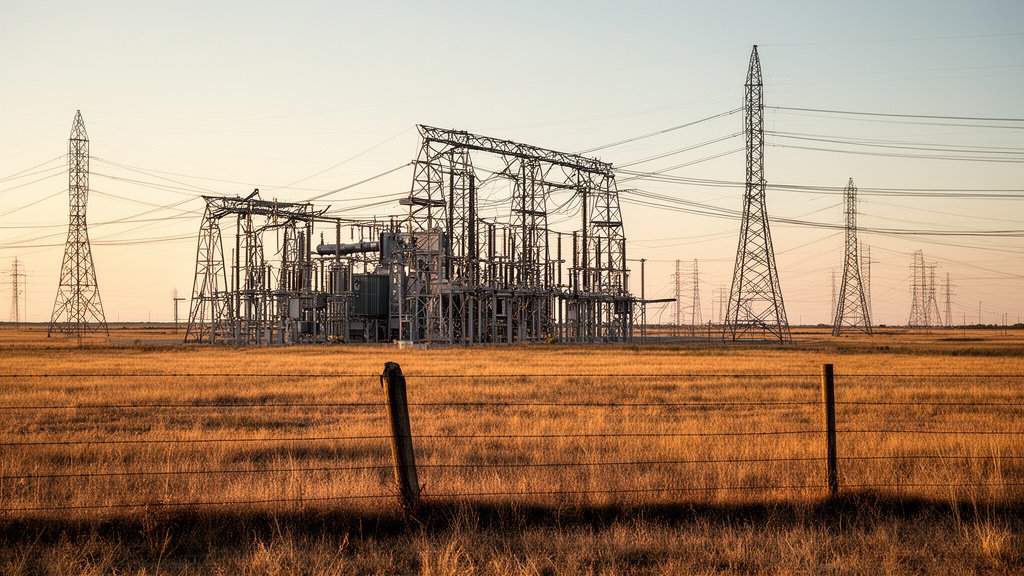


Governor Greg Abbott has ignited a high-stakes legislative battle by proposing the dismantling of municipally owned electric utilities in major cities like Austin and San Antonio, arguing that the shift to a competitive retail market will benefit consumers despite vocal opposition from local officials regarding revenue stability and rate hikes. By targeting the traditional monopoly status of entities like Austin Energy and CPS Energy, the Governor’s office is aiming to force these power providers into the state’s broader competitive retail electric market, a move reminiscent of the 2002 deregulation that fundamentally altered the Texas power landscape.
Key Highlights
- Mandatory Competition: The proposal seeks to end the monopoly status of municipal utilities, effectively forcing them to open their service territories to third-party retail electric providers (REPs).
- Consumer Choice Narrative: Proponents argue that introducing competition will lower prices and increase service quality, mirroring the benefits seen in deregulated areas of the ERCOT grid.
- Municipal Resistance: City leaders in Austin and San Antonio argue the move threatens local revenue, as these utilities are “cash cows” that directly fund general municipal services like parks, libraries, and public safety.
- Rate Anxiety: Opponents warn that while competition promises lower bills, the loss of economies of scale and municipal control could ultimately lead to higher costs for residents and a loss of local influence over renewable energy mandates.
The Battle for the Grid: State Control vs. Local Autonomy
The fundamental tension at the heart of this proposal lies in the philosophy of Texas energy governance. For decades, cities like Austin and San Antonio have maintained ‘home rule’ over their energy futures. By owning their utilities, they have utilized the surplus generated by electricity sales to subsidize city budgets. This unique model effectively acts as a form of non-tax revenue for the municipalities, keeping property tax rates lower than they might otherwise be. Governor Abbott’s proposal challenges this arrangement, framing municipal utilities as anticompetitive obstacles in an otherwise modernized, market-driven state power grid.
The Economic Case for Deregulation
The Governor’s push for deregulation is rooted in the belief that the current structure of municipal monopolies is inherently inefficient. In competitive markets governed by the Electric Reliability Council of Texas (ERCOT), residents can choose their provider, creating downward pressure on pricing through competition. The state administration posits that consumers in Austin and San Antonio are effectively trapped in a protected monopoly, denying them the benefit of lower-cost options that residents in deregulated cities like Houston and Dallas currently enjoy. However, critics argue this is a false equivalency. Municipal utilities argue that they provide stability and reliability that the retail market—often volatile and prone to aggressive marketing tactics—cannot match.
The Impact on Municipal Budgets
One of the most significant, yet often overlooked, aspects of this proposal is the “transfer payment” issue. Austin Energy and CPS Energy provide annual dividends to their respective city governments, totaling hundreds of millions of dollars collectively. If the state forces these utilities into a deregulated model, their business structures would have to change drastically to accommodate retail providers. This could lead to a massive reduction in the funds available for city services. To compensate for these losses, cities would be faced with an uncomfortable choice: either slash municipal services or increase property taxes, a move that would surely provoke a backlash from residents who rely on these city-funded programs.
The Green Energy Conflict
Austin and San Antonio have been aggressive in their pursuit of renewable energy, often using their municipal utility status to mandate decarbonization efforts that exceed state requirements. By decentralizing these utilities, the ability for cities to enforce climate goals or specific energy-sourcing mandates becomes significantly weaker. If a retail market is introduced, private companies will optimize for profitability rather than the public policy mandates of individual cities. This shift could potentially stall the localized progress toward green energy, making this fight not just about economics, but about the environmental trajectory of Texas’s fastest-growing cities.
FAQ: People Also Ask
Why does Governor Abbott want to deregulate municipal utilities?
The state argues that municipal monopolies deny residents the benefits of the competitive retail electric market, which they claim leads to higher-than-necessary prices and limits consumer choice.
How does this affect my monthly electric bill?
There is no guarantee of lower prices. While proponents suggest competition will drive down costs, opponents, including city leadership, warn that the structural changes could lead to “stranded costs” and market volatility that could eventually raise rates for the average consumer.
Will this impact city funding?
Yes. Austin and San Antonio rely on “transfers” from their city-owned utilities to fund essential services. Deregulation could jeopardize these transfers, potentially forcing cities to raise property taxes or cut budgets to make up the difference.
What is the status of the proposal?
The proposal is currently in the legislative phase, where it faces significant opposition from local governments, city councils, and utility boards that are lobbying to maintain the status quo of local control.