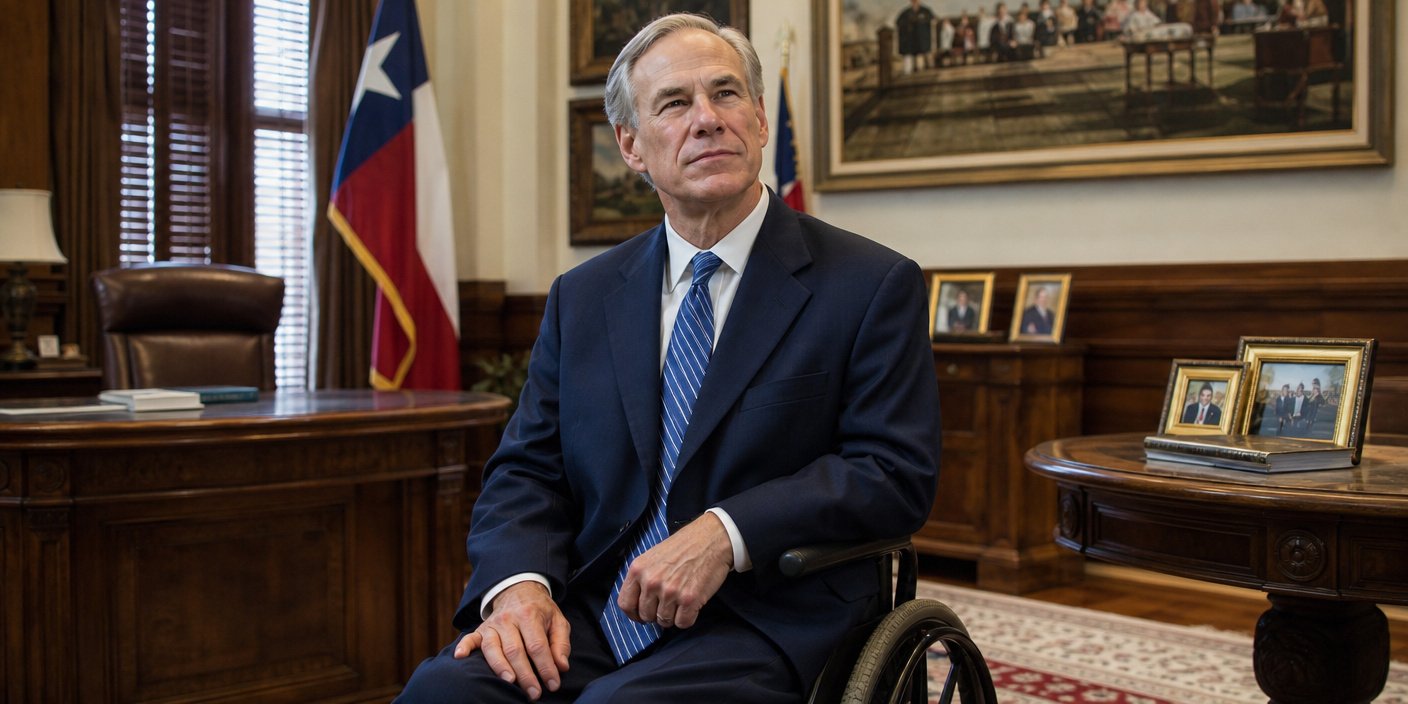

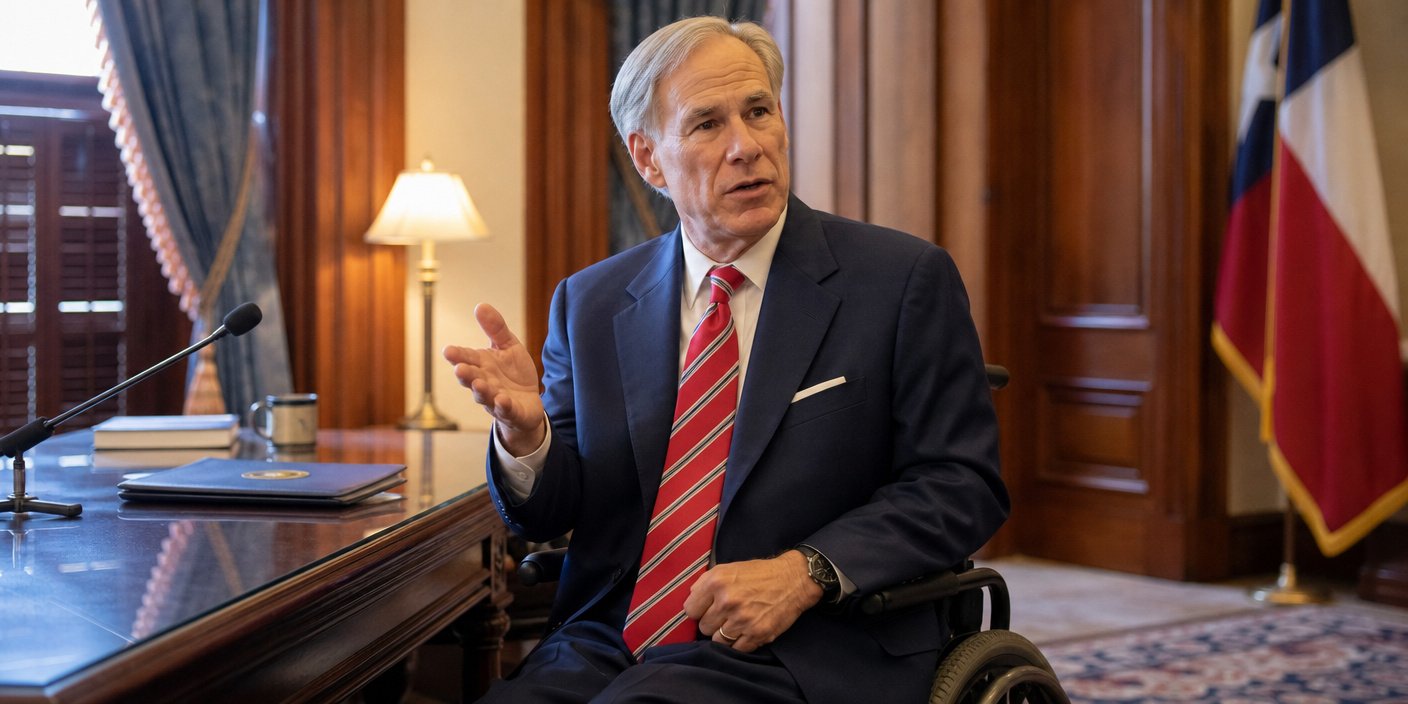
In a decisive move to address the mounting cost-of-living crisis facing Texans, Governor Greg Abbott has formally directed the Texas Department of Insurance (TDI) to initiate immediate administrative actions aimed at curbing the 79% surge in property and casualty insurance premiums observed since 2020. This mandate places the regulatory spotlight squarely on insurance carriers, demanding increased transparency and a thorough investigation into the factors driving these unprecedented price hikes. As homeowners and business owners across the Lone Star State grapple with the compounding effects of inflation and rising utility costs, this executive intervention signals a shift toward a more aggressive regulatory posture to stabilize a volatile market.
Key Highlights
- The Directive: Governor Abbott has ordered the TDI to investigate the specific drivers behind the 79% surge in premiums since 2020.
- Targeted Focus: The mandate focuses on property and casualty insurance, areas that have seen the most drastic increases for both residential and commercial policyholders.
- Administrative Action: The TDI is tasked with identifying potential rate-setting abuses and assessing whether current market behaviors align with statutory requirements.
- Consumer Impact: The Governor’s office aims to provide immediate relief and long-term stability to Texas policyholders currently facing potential rate shocks.
Deciphering the Directive: A Regulatory Shift for Texas Insurance
The recent directive issued by the Office of the Governor to the Texas Department of Insurance marks a significant turning point in the state’s approach to insurance oversight. With premiums ballooning by nearly 80% over the last four years, the status quo of a largely hands-off regulatory environment is being challenged. Governor Abbott’s communication to the agency makes it clear that the current trajectory—defined by rapid, compounded increases—is unsustainable for the average Texan. This directive is not merely a request for information; it is a call for an active, administrative review process designed to hold insurance companies accountable for the data they submit when requesting rate hikes.
The 79% Problem: Contextualizing the Surge
To understand the gravity of the Governor’s order, one must look at the math behind the frustration. Since 2020, Texas has experienced a perfect storm of economic and environmental factors. From the freeze of 2021 to the recurring hail and wind events that define the Texas climate, insurers have cited ‘catastrophic losses’ as the primary justification for spiking premiums. However, critics and consumer advocates have long argued that these hikes have outpaced actual loss ratios. By focusing on the 79% cumulative increase, the Governor is forcing the TDI to peel back the layers of these justifications. The mandate requires the department to determine if the premiums are commensurate with the actuarial reality or if ‘risk modeling’ has become a catch-all excuse for excessive profit-taking in a captive market.
The Mechanics of Market Accountability
The TDI, as the primary regulatory body for the state, wields the power to approve, reject, or request modifications to insurance rate filings. Historically, this process has been relatively collaborative. The Governor’s directive shifts the tone from collaboration to scrutiny. The TDI is now expected to utilize its subpoena and investigatory powers to challenge the assumptions used by insurers. Specifically, the department will be looking at how insurance carriers calculate ‘reinsurance costs’—the secondary insurance that carriers buy to protect themselves against massive losses. Reinsurance has become a murky area where costs are passed directly to the consumer, and the Governor’s order implies that this black box needs to be opened for public and regulatory inspection.
Secondary Angles: The Future of Texas Policy
While the directive addresses immediate concerns, it inadvertently highlights three broader economic issues that Texas must navigate in the coming legislative sessions.
First, there is the Reinsurance Squeeze. As global reinsurance markets tighten due to climate uncertainty, Texas insurers are paying more to cover their risks. The TDI investigation will have to grapple with how much of this global volatility can be reasonably passed on to the local Texan consumer without bankrupting the household budget.
Second, the Legislative Impact. If the TDI finds that current laws are insufficient to stop these hikes, this administrative action will likely serve as the foundation for new, restrictive legislation in the next session. We could see proposals for caps on annual premium increases or stricter ‘file-and-approve’ requirements.
Third, the Economic Ripple Effect. Insurance is a ‘silent’ tax. When businesses cannot afford property insurance, they pass those costs on to consumers in the form of higher prices for goods and services. By targeting the insurance sector, Governor Abbott is arguably attempting to manage broader inflation that threatens the economic competitiveness of the Texas business environment.
The Path Forward for Policyholders
What can Texans expect in the wake of this directive? In the short term, the TDI is likely to slow-walk new rate increase applications, subjecting them to higher burdens of proof. For the average policyholder, this does not mean an immediate refund or a drastic price drop, but it does mean a check on the runaway growth of these bills. The Governor’s directive serves as a warning shot to the insurance industry: the state is watching, and the data behind every rate hike will be audited with extreme prejudice. For the homeowner, the immediate relief will be found in the halt of further ‘surprise’ surges, as carriers will likely temper their requests while the regulatory review is underway.
FAQ: People Also Ask
1. Can Governor Abbott legally mandate insurance rates?
While the Governor cannot unilaterally set specific prices, he has the authority to direct the Texas Department of Insurance to enforce existing statutes more stringently. This means the TDI can reject rate filings that they determine are unjustified or based on opaque or excessive projections.
2. Why has the cost of insurance increased so significantly since 2020?
Insurers point to a combination of severe weather events (hail, wind, and freeze), inflation affecting the cost of construction materials and labor, and skyrocketing costs in the global reinsurance market, where insurance companies buy their own insurance to manage risk.
3. Will my property insurance bill go down because of this directive?
It is unlikely that the directive will cause an immediate, across-the-board drop in existing premiums. However, the goal is to stabilize the market and prevent future, unjustified hikes, which effectively creates cost savings compared to the current, unchecked trajectory.
4. What is the role of the Texas Department of Insurance in this process?
The TDI acts as the watchdog for the Texas insurance market. Under this new directive, they are tasked with rigorous data analysis of rate-hike justifications, ensuring that companies are using accurate, transparent models to determine the cost of coverage for Texas residents and businesses.