
The U.S. Treasury Department has initiated a sweeping sanctions package targeting the financial infrastructure of the Cartel Jalisco Nueva Generación (CJNG), signaling a paradigm shift in how the United States combats transnational criminal organizations. By moving beyond traditional drug interdiction, federal authorities are now aggressively targeting the cartel’s diversified economic portfolio, which includes everything from high-end tequila distillers to seemingly mundane consumer goods manufacturing, such as children’s footwear. This coordinated effort involves more than 50 individuals and businesses accused of serving as the financial lifelines for one of Mexico’s most violent and powerful criminal syndicates.
The Strategic Pivot: Financial Attrition
For decades, U.S. anti-cartel strategy focused primarily on physical seizures—intercepting narcotics at the border or dismantling cells on American soil. However, the latest maneuver by the Treasury’s Office of Foreign Assets Control (OFAC) demonstrates a calculated pivot toward financial attrition. By designating these businesses as ‘Specially Designated Nationals,’ the U.S. effectively cuts them off from the global financial system, freezing assets, prohibiting transactions with U.S. citizens, and complicating their ability to move capital across borders. This ‘follow the money’ strategy aims to degrade the cartel’s capacity to reinvest criminal proceeds into legitimate businesses, a process that historically serves as the primary engine for laundering illicit profits.
Infiltrating the Supply Chain: Tequila and Manufacturing
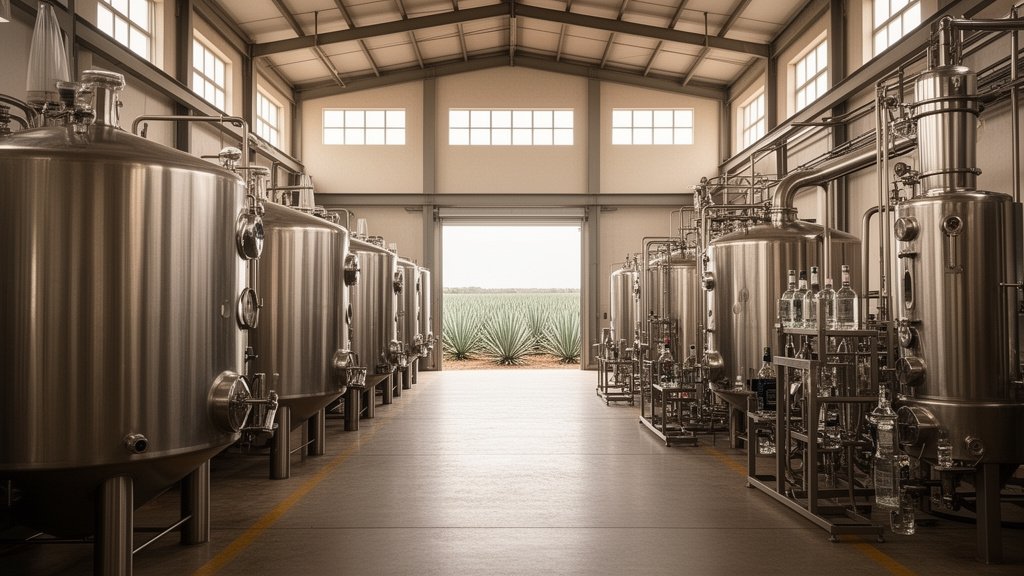
The inclusion of tequila production and baby shoe manufacturing in this sanctions list highlights the sophisticated depth of the CJNG’s infiltration into the legal economy. Money laundering experts have long noted that cartels utilize cash-intensive businesses to ‘clean’ drug proceeds. Tequila production offers an ideal vehicle: it is a highly exportable, premium commodity with fluctuating pricing, making it difficult for regulators to pinpoint exact profit margins. By investing in distilleries, the cartel can integrate illicit funds into the production cost, effectively washing the money as the final product is sold in international markets, including the United States.
Similarly, the targeting of a baby shoe manufacturing facility reveals the extent to which cartels diversify into everyday consumer goods. Manufacturing allows for the creation of complex supply chains, where the cartel can claim that cash payments for raw materials or labor are legitimate operational expenses. When U.S. authorities sanction these businesses, they aren’t just hitting a single company; they are disrupting a broader laundering ecosystem that relies on these fronts to validate the cartel’s income streams. These sectors were chosen precisely because they blend into the daily commerce of the Mexican economy, making them ‘stealth’ assets for the organization.
Economic Consequences and Future Outlook
The long-term impact of these sanctions remains a subject of intense analysis. While the primary goal is to isolate the CJNG financially, the collateral effect is the destabilization of sectors that are otherwise vital to local Mexican economies. Legitimate business owners in the affected regions may face ‘guilt by association’ or logistical hurdles when dealing with the U.S. market, potentially dampening foreign investment. However, the U.S. government maintains that the necessity of severing the cartel’s financial lifeline outweighs the localized economic disruption.
Analysts predict this will likely be the first wave of a more granular, sector-specific targeting approach. Moving forward, the Treasury is expected to utilize data analytics to track the flow of goods from these sanctioned entities to their downstream distributors. If the trend continues, the U.S. may expand the scope of these sanctions to include logistical companies, real estate holdings, and potentially the hospitality sector, if evidence suggests they are being used to facilitate the movement of cartel leadership or illicit capital.
Understanding the E-E-A-T Impact
For stakeholders and international observers, the precision of these sanctions is a clear indicator of increased intelligence capabilities. The ability to link a specific baby shoe manufacturer or a particular tequila distillery to CJNG operations suggests that U.S. intelligence agencies are leveraging sophisticated forensic accounting and signal intelligence. This information is vital for the private sector, specifically for U.S. importers and retailers who must now ensure that their supply chains are free from ties to these newly designated entities to avoid violating federal law.