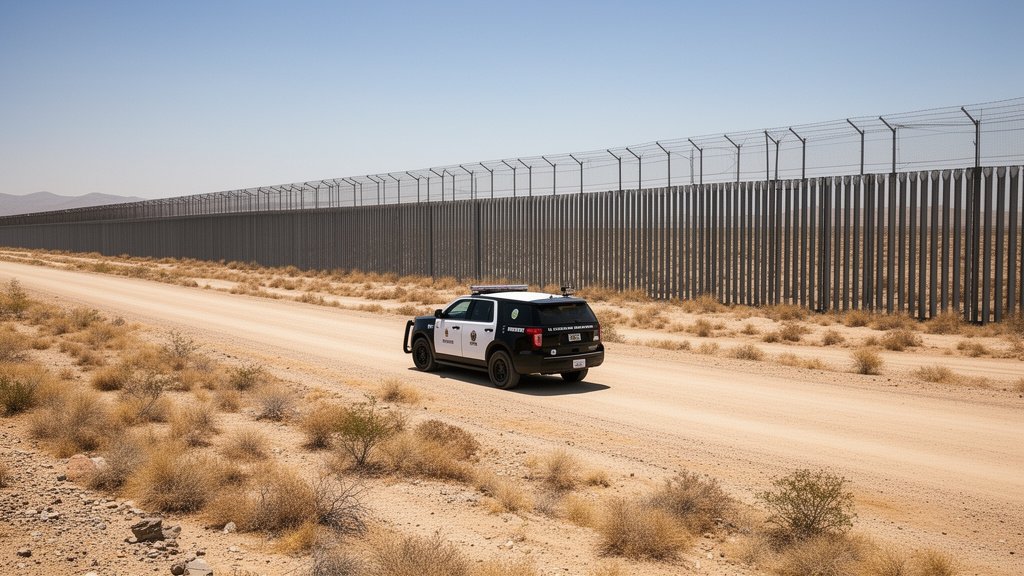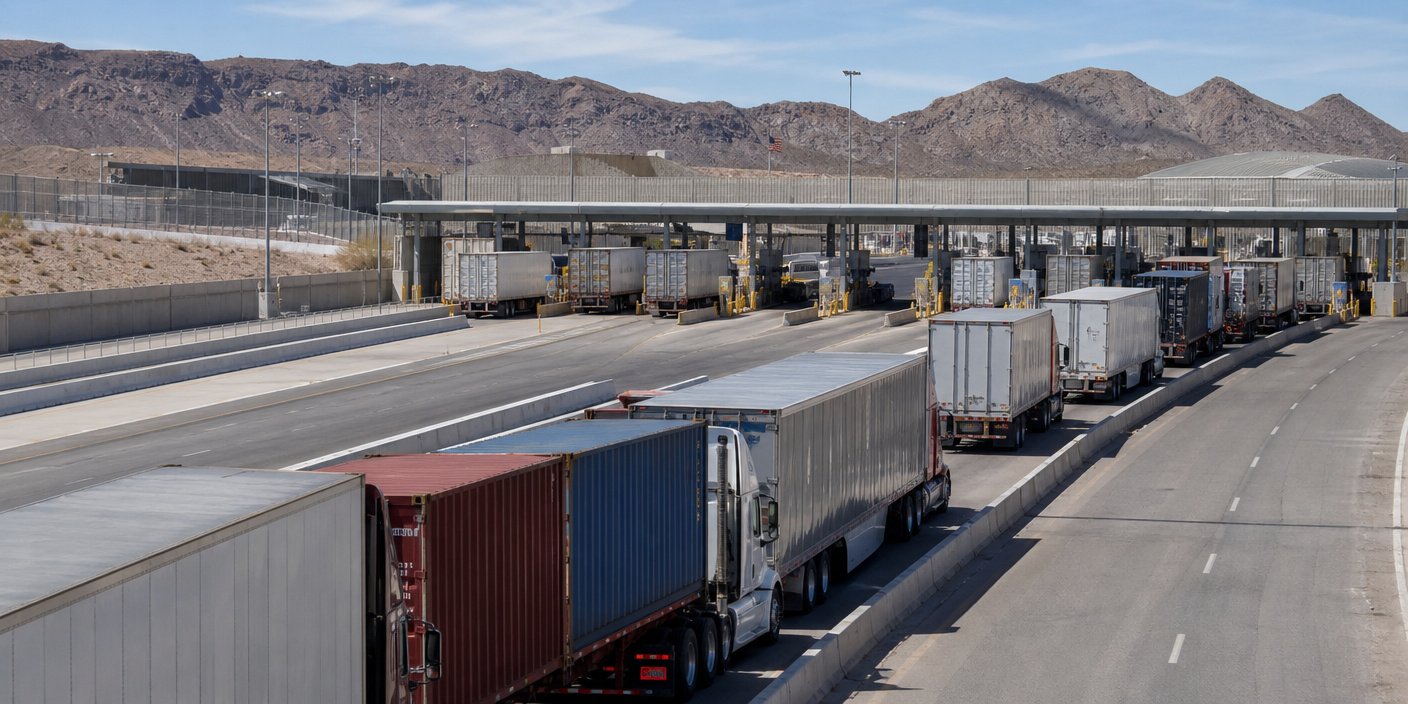

President Donald Trump is set to implement a significant Immigration Crackdown 2026, backed by billions in new funding to fuel an aggressive expansion of immigration enforcement. This initiative is poised to include more workplace raids and a surge of agents into major US cities, signaling a broader deportation operation. A Republican-controlled Congress recently passed a substantial spending package, allocating $170 billion through September 2029, specifically for ICE and the Border Patrol. This funding is intended for hiring additional agents, opening new detention centers, and enabling companies to assist in tracking undocumented immigrants, making this a key piece of US news.
Massive Funding Boost for Immigration Crackdown 2026 Enforcement
The new funding represents a massive surge, far exceeding current annual budgets which hovered around $19 billion. The Republican Congress approved this significant package in July. Administration officials have detailed plans to hire thousands of new agents and open more detention facilities. ICE will also increase efforts to identify immigrants in local jails. Partnerships with private companies will be instrumental in enhancing deportation operations. This intensified immigration enforcement, particularly the Immigration Crackdown 2026, faces growing resistance as next year’s midterm elections approach.
Intensified Immigration Enforcement Tactics in 2026
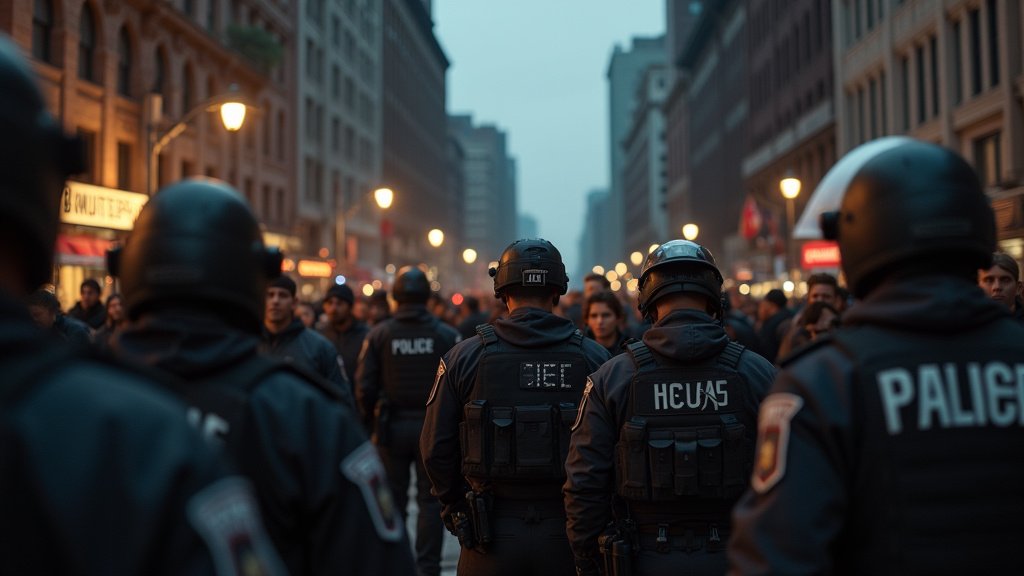
Federal agents have already been deployed to major US cities, conducting sweeps that have sometimes clashed with residents. High-profile business raids occurred earlier this year, though farms and factories, vital to the economy and known employers of many undocumented workers, were largely avoided. However, the Immigration Crackdown 2026 plans specifically target these work sites more directly. The administration’s goal is to deport a million immigrants annually, a target unlikely to be met this year but one that efforts are set to intensify towards.
Denaturalization and Status Changes Amidst Immigration Crackdown 2026
Beyond deportations, the Immigration Crackdown 2026 includes other measures. Hundreds of thousands of immigrants have already lost temporary legal status, expanding the pool eligible for removal. A concerning new aspect involves denaturalization, with plans to potentially strip citizenship from thousands of naturalized US citizens, a process that is exceptionally rare. New guidance is establishing monthly quotas for these cases, raising expert concerns about widespread fear and the impact on US immigration policy.
Growing Political and Public Backlash Against Immigration Crackdown 2026
The expanded Immigration Crackdown 2026 faces significant and growing backlash, particularly ahead of elections, as Trump’s approval on immigration policy has declined. Local elections, such as the change in Miami’s mayor, reflect voter unease with aggressive tactics. Many voters are wary of actions perceived as rights violations, due process breaches, or extraconstitutional militarization. This presents a challenge for Republicans as public opinion shifts, with a majority now viewing immigration favorably and feeling it benefits the US, while support for less immigration has dropped sharply.
Impact on Businesses and Communities During the Immigration Crackdown 2026
Workplace raids under the Immigration Crackdown 2026 could significantly affect businesses, potentially leading to higher labor costs and impacting efforts to combat inflation. Some businesses have already closed to avoid raids or due to a loss of customers. Past crackdowns have historically spurred protests and lawsuits, often accompanied by allegations of racial profiling and reports of violent tactics. The fear generated by such operations can lead community members to take measures like carrying passports and keeping children home from school, highlighting pervasive anxieties.
The Path Forward for US Immigration Policy Post-2026 Crackdown
The US is preparing for substantial changes driven by the anticipated Immigration Crackdown 2026, which signifies a major expansion in immigration enforcement fueled by new funding and following through on campaign promises. While the crackdown aims for record deportations and introduces new legal challenges, it is simultaneously encountering growing public and political resistance. This dynamic interplay will significantly shape the unfolding border news and continue to be a central debate in the future of US immigration policy.