
In a strategic tightening of regional security protocols, U.S. Customs and Border Protection (CBP) and state authorities in Chihuahua, Mexico, have formally announced a new wave of 20 high-priority targets identified under the long-standing “Se Busca Información” (Looking for Information) initiative. This collaborative effort represents a sophisticated approach to transnational law enforcement, focusing on dismantling the leadership and operational structures of criminal organizations that exploit the porous and complex geography of the Chihuahua-Texas corridor.
The Operational Framework of ‘Se Busca Información’
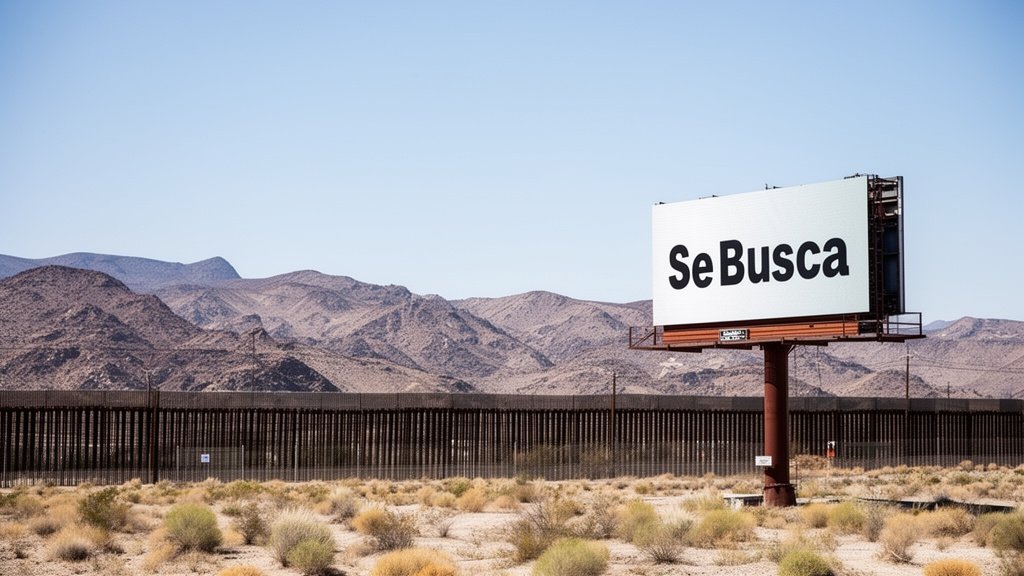
The “Se Busca Información” program functions as a bilateral intelligence-sharing bridge, designed to neutralize the operational anonymity historically enjoyed by cartel members, human smugglers, and narcotics traffickers. By crowdsourcing intelligence from the public on both sides of the international border, the initiative forces criminal actors out of the shadows. The core mechanism involves the strategic placement of billboards, digital signage, and traditional media campaigns in high-traffic areas, featuring the likenesses of wanted fugitives.
What sets this program apart from traditional wanted lists is the anonymity framework. Both U.S. and Mexican agencies have invested heavily in secure, encrypted tip-sharing infrastructure. This allows citizens to provide actionable intelligence—such as current whereabouts, safe house locations, or communication patterns—without the fear of reprisal that often paralyzes local cooperation in cartel-influenced territories. The inclusion of 20 new targets underscores a deliberate recalibration of enforcement priorities, shifting focus from low-level operatives to key facilitators within the criminal supply chain.
Analyzing the Chihuahua-Texas Corridor
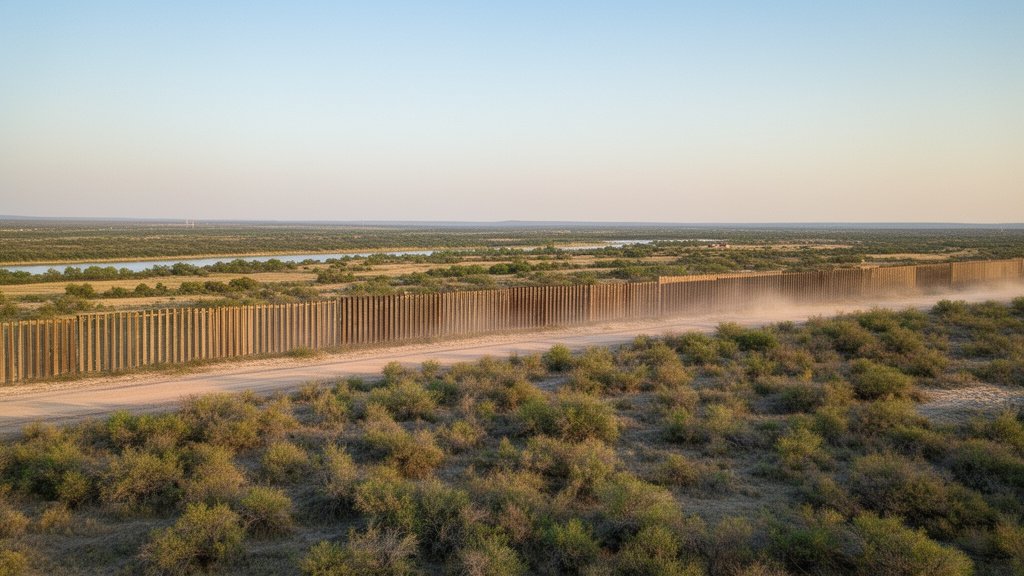
The selection of the Chihuahua sector as the focal point for this latest enforcement surge is not coincidental. Geographically, the state of Chihuahua presents some of the most challenging terrain for law enforcement, characterized by sprawling urban environments like Ciudad Juárez situated immediately adjacent to the United States. This “twin city” dynamic creates a hyper-complex ecosystem where criminal entities often exploit the rapid transit between the two nations to evade jurisdiction.
From a law enforcement perspective, the Chihuahua corridor serves as a major artery for both illicit and licit flow. By focusing on 20 specific targets in this region, the Joint Task Force aims to create a domino effect. When key logistics coordinators or enforcers are neutralized or forced into hiding, it disrupts the broader organization’s ability to coordinate large-scale trafficking operations. This tactic of “precision enforcement” is designed to minimize broader community disruption while maximizing damage to the organizational chart of transnational criminal groups.
The Future of Cross-Border Intelligence Sharing
Looking beyond the immediate apprehension of the 20 identified targets, this announcement signals a shift toward more permanent, institutionalized cooperation between U.S. federal agencies and Mexican state-level law enforcement. Historically, cross-border policing faced significant hurdles due to differing legal standards and jurisdictional boundaries. “Se Busca Información” sidesteps many of these legacy issues by focusing on public intelligence, which is easier to share and act upon than sensitive, classified case files.
We are likely to see a further evolution of this program, potentially incorporating real-time data analytics and AI-driven pattern recognition to identify future targets before they ascend in the criminal hierarchy. As criminal organizations adopt more sophisticated digital communication tools, the state’s response must move toward equally advanced, data-centric enforcement models. This initiative is the first step in a broader digital transformation of border security.
Impact on Regional Economic Stability
While the primary objective of the program is security and the suppression of illegal activity, the secondary impact on the economic stability of the Chihuahua-Texas region cannot be overstated. Organized crime acts as a parasitic force on legitimate commerce, imposing informal “taxes” on local businesses and creating a climate of instability that deters foreign investment. By systematically targeting the leadership of these organizations, authorities are effectively lowering the cost of doing business in border communities. The reduction of cartel influence is essential for fostering a stable, predictable environment where cross-border trade can flourish without the persistent threat of illicit interception.