
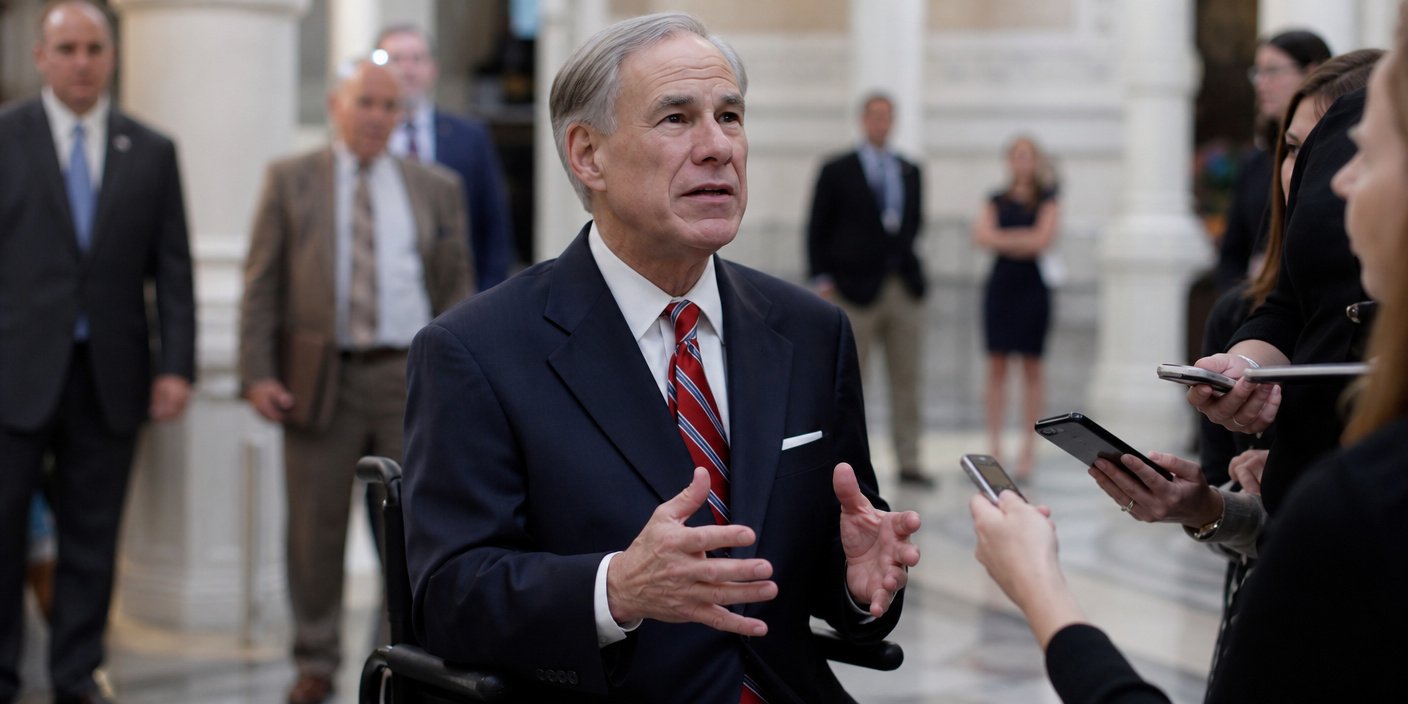
In a series of recent appearances on conservative media, Texas Governor Greg Abbott has issued a stark warning to the American electorate, characterizing the future of the United States as intrinsically linked to the political integrity of the Lone Star State. Abbott’s commentary posits that if Texas—the traditional bedrock of Republican electoral strength—were to shift from reliable red to a competitive blue, the ramifications would extend far beyond the state lines, fundamentally altering the national landscape.
The Electoral Math of a ‘Blue’ Texas
The core of Governor Abbott’s argument rests on the math of the Electoral College. For decades, Texas has served as a firewall for Republican presidential candidates, providing a reliable block of electoral votes that, when combined with other swing states, has secured the party’s path to the White House. Abbott emphasizes that the loss of this firewall would create a structural deficit that the Republican Party might struggle to overcome for a generation.
While critics often point to demographic shifts in urban centers such as Houston, Dallas, and Austin as evidence of a looming ‘purple’ transformation, Abbott argues that such a transition is not inevitable. Instead, he frames the situation as a binary choice: a rejection of the ‘Texas Model’—characterized by low taxation, aggressive deregulation, and business-friendly policies—in favor of policies he contends would mirror the economic struggles seen in states like California or New York.
The Economic Divergence: Texas vs. The National Trend
Abbott frequently leverages the state’s economic performance to bolster his political warnings. He points to the mass migration of businesses and residents from the coasts to Texas as evidence of the state’s successful governance. His argument is that a ‘blue’ Texas would dismantle the very incentives that have attracted this influx of capital and human resources.
From an analytical perspective, this is where the debate intensifies. Economists and policy experts note that the Texas economy is increasingly diverse, spanning energy, technology, aerospace, and agriculture. Abbott’s warning suggests that a change in political control could lead to increased regulatory burdens on the energy sector—a critical pillar of the Texas economy—which could trigger an economic contraction. By linking voter turnout directly to economic stability, Abbott is attempting to mobilize conservative voters who might otherwise be complacent in a state historically considered ‘safe’ for the GOP.
Voter Mobilization and the ‘Tightly Contested’ Landscape
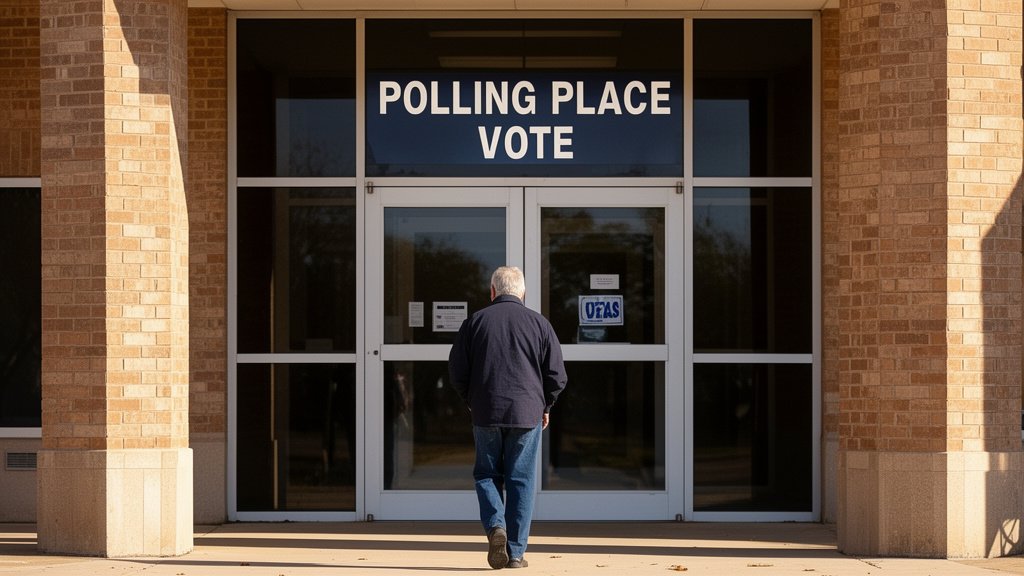
The Governor’s rhetoric underscores a pivot in strategy. Recognizing that statewide margins have narrowed in recent election cycles, Abbott is emphasizing the necessity of high Republican voter turnout. This strategy is not merely about presidential elections; it is about the down-ballot contests that control the Texas Legislature, judicial appointments, and local municipal governments.
Abbott’s message on conservative radio was clear: control is maintained through consistent, high-volume engagement. By highlighting the risks of a ‘blue’ shift, he is working to counteract voter apathy. This is a tactical maneuver to solidify the base, framing every local election as a referendum on the state’s broader trajectory. The urgency in his messaging is calculated to ensure that Republican voters view their participation not as a routine duty, but as a defensive measure against a seismic shift in state ideology.
Historical Context: The Erosion of the Solid South
To understand Abbott’s urgency, one must look at the historical erosion of the ‘Solid South.’ For much of the 20th century, the South was a Democratic stronghold, but Texas remained a unique outlier, oscillating but eventually anchoring the modern Republican coalition. The shifting demographics of Texas, driven by rapid urbanization and an influx of domestic migration from blue states, have created a political friction point. The state is no longer a monolith of rural conservatism; it has become a complex mosaic of interests. Abbott’s warning is, at its core, a strategy to manage this demographic reality before it matures into a permanent political realignment.
Energy Policy as a Political Wedge
The energy sector remains the most sensitive pressure point in this debate. Texas leads the nation in both oil and gas production and, increasingly, renewable energy investment. Abbott’s narrative warns that a shift in power would likely result in an aggressive push for federal regulations that could stifle the state’s energy independence. This is a powerful mobilizer for voters in West Texas and the Gulf Coast, where livelihoods are tied directly to these industries. By casting the ‘blue’ outcome as an existential threat to the energy sector, Abbott taps into a deep-seated economic anxiety that transcends partisan lines.
Future Implications for the Republican National Strategy
If the Republican Party were to lose Texas, the national electoral map would necessitate a total overhaul of the GOP’s path to 270 electoral votes. The party would be forced to compete in states they currently ignore, likely at a massive financial disadvantage. This is why Abbott’s warnings resonate at a national level—he is speaking to the future viability of the party itself. Whether this warning serves as a successful catalyst for turnout or a harbinger of inevitable change remains the central question of modern Texas politics.
FAQ: People Also Ask
1. Why does Governor Abbott believe Texas turning blue affects the whole nation?
Abbott argues that Texas is the primary anchor for Republican electoral success. If Texas turns blue, the Republican Party loses its most significant block of electoral votes, forcing a total, likely unsustainable, shift in national campaign strategy.
2. Is Texas actually at risk of turning blue?
While statewide elections have grown more competitive in recent years, Republicans have maintained control of all statewide offices. The ‘risk’ is a matter of intense debate, with some analysts pointing to demographic trends as a slow shift, while others believe Republican structural advantages remain strong.
3. What is the ‘Texas Model’ that Abbott refers to?
It refers to the state’s approach of low taxes, limited government regulation, and a business-friendly environment, which Abbott credits for the state’s economic growth and population influx.
4. How does Abbott plan to prevent a ‘blue’ shift?
Through aggressive voter mobilization campaigns, focusing on high turnout among rural and conservative suburban voters, and emphasizing the economic consequences of changing the state’s political leadership.