
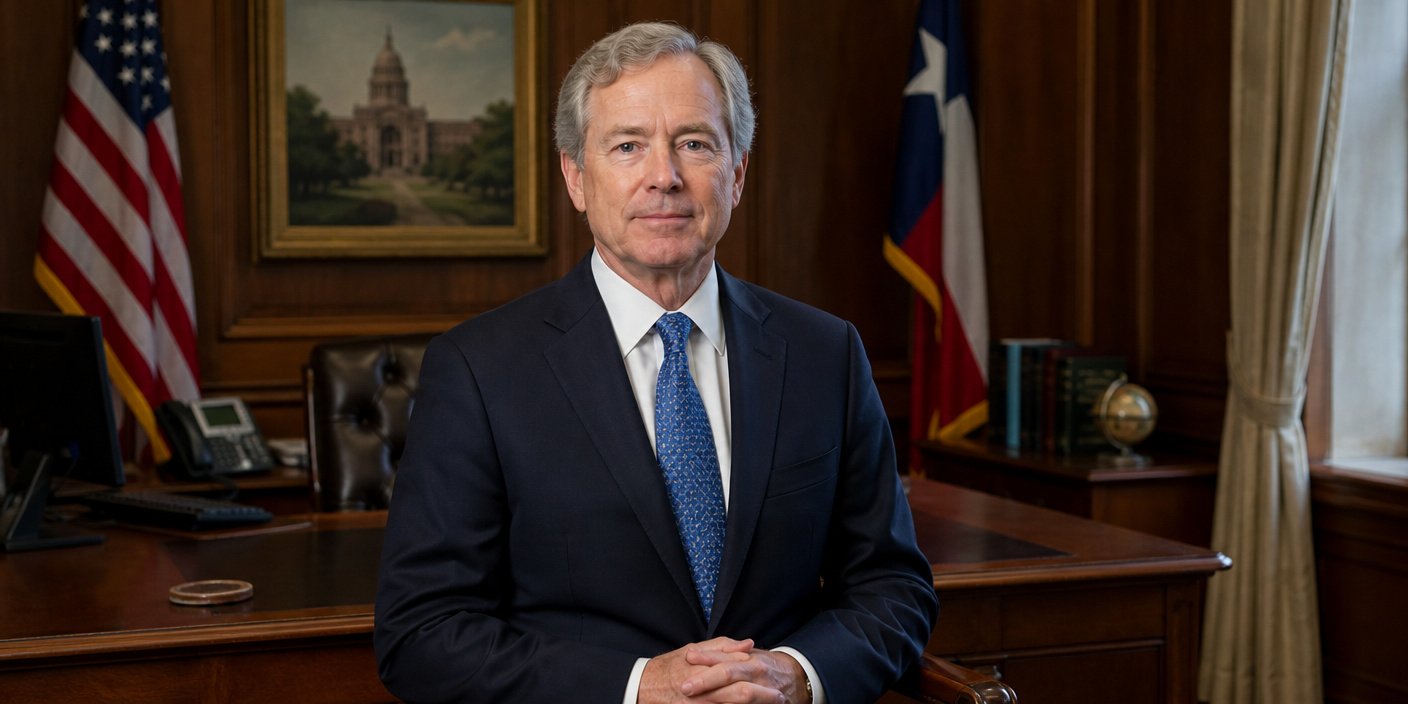
Just weeks before the looming election, Texas Comptroller Don Huffines has unilaterally issued a series of directives labeled as “executive orders,” a move that has triggered an immediate and intense legal backlash across the state. While the Comptroller’s office has traditionally operated under the strictures of administrative law, these new directives—targeting complex issues such as virtual marketplace tax enforcement and internal agency funding allocations—represent a significant departure from the established protocol. Legal experts, constitutional scholars, and opposing political factions are now questioning whether the Comptroller possesses the statutory authority to bypass the legislature and impose policies via executive fiat, creating a high-stakes standoff that could define the boundaries of agency power in Texas for years to come.
Key Highlights
- Unprecedented Terminology: The use of the term “executive order” by an administrative office typically governed by legislative statutes has raised alarms among legal constitutionalists.
- Scope of Impact: The directives specifically target virtual marketplace tax collection protocols and discretionary agency funding, areas usually subject to oversight by the Legislative Budget Board.
- Election Timing: The timing of these orders, occurring mere weeks before the upcoming election, has led to accusations of political theater designed to consolidate power before a potential transition.
- Authority Scrutiny: Scholars are questioning if these orders function as legally binding policy changes or if they are merely internal directives that overstep the Comptroller’s constitutional mandate.
Challenging the Boundaries of Administrative Power
The fundamental controversy surrounding Comptroller Don Huffines’ recent actions lies in the nature of the office itself. In the Texas political hierarchy, the Comptroller is a statewide elected official, but their powers are explicitly defined by the Texas Constitution and the statutes enacted by the Texas Legislature. Historically, agency heads operate within a framework of ‘rule-making authority,’ which requires a public notice-and-comment period and adherence to the Texas Administrative Code. By labeling these new policy shifts as ‘executive orders,’ Huffines appears to be attempting to bypass this rigorous, time-consuming process.
The Virtual Marketplace Tax Controversy
One of the most contentious aspects of these directives concerns virtual marketplace taxes. Since the landmark South Dakota v. Wayfair, Inc. decision, states have been scrambling to implement nexus laws that tax online retailers without a physical presence. Huffines’ orders attempt to redefine how the Comptroller’s office enforces these collections, potentially altering the tax liability for thousands of digital businesses operating within Texas borders. Critics argue that such a fundamental shift in tax enforcement requires legislative approval, as it effectively creates a new tax collection mechanism that could disrupt the digital economy. Business advocacy groups are already signaling that these directives could face immediate injunctions, citing a lack of procedural due process.
The Power of the Purse: Funding Disruptions
Beyond taxation, the orders target the Comptroller’s internal agency funding. The Texas Legislature holds the ‘power of the purse,’ meaning they alone authorize how state agencies spend their budgets. Huffines’ move to redirect funds via executive order is being interpreted by many as an encroachment on the Legislative Budget Board’s (LBB) domain. By unilaterally shifting resources, the Comptroller is effectively re-prioritizing agency objectives without the oversight of the lawmakers who appropriated the funds. This tension highlights a deeper struggle regarding the separation of powers: can an elected agency head treat their department as a private fiefdom, or are they bound by the budgetary constraints imposed by the state’s legislative body?
Administrative Precedent vs. Executive Fiat
To understand the gravity of this situation, one must look at the history of the Comptroller’s office. The office is designed to be the state’s accountant—an impartial arbiter of numbers and collector of revenue. The introduction of ‘executive orders’ introduces a political layer that traditionally does not exist in the office. This shift risks politicizing a role that is intended to be technocratic. Should these orders survive legal scrutiny, they could set a dangerous precedent, signaling that Texas state agencies are no longer accountable to legislative statute, but instead to the personal policy visions of their elected directors. Legal analysts suggest that if the courts find these orders invalid, it could lead to a massive backlog of refunded taxes and administrative chaos, as the state would have to unwind the policies enacted under the disputed directives.
FAQ: People Also Ask
1. Does the Texas Comptroller have the legal authority to issue executive orders?
Generally, no. Executive orders are typically reserved for the Governor of Texas, who holds the executive power of the state. The Comptroller’s office is an administrative agency with authority strictly defined by statute, not executive decree. These orders are currently being challenged on the grounds that they exceed this statutory scope.
2. What are the economic consequences of these directives?
For virtual marketplaces, the directives could create immediate confusion regarding tax collection thresholds and compliance requirements. Businesses may face double taxation or penalties if these orders are found to be illegal, potentially discouraging investment and forcing legal battles that could last for years.
3. Will the legislature intervene?
Given the infringement on the ‘power of the purse’ regarding agency funding, members of the legislature are expected to seek an emergency injunction to halt the implementation of these orders until they can be reviewed by the courts or until the next legislative session clarifies the office’s authority.
4. Why is this happening so close to the election?
Observers argue that the timing is intentional, aimed at creating a ‘fait accompli’ for the next administration. By issuing these orders now, Huffines is attempting to anchor certain policy changes that will be difficult to reverse, regardless of the election’s outcome.