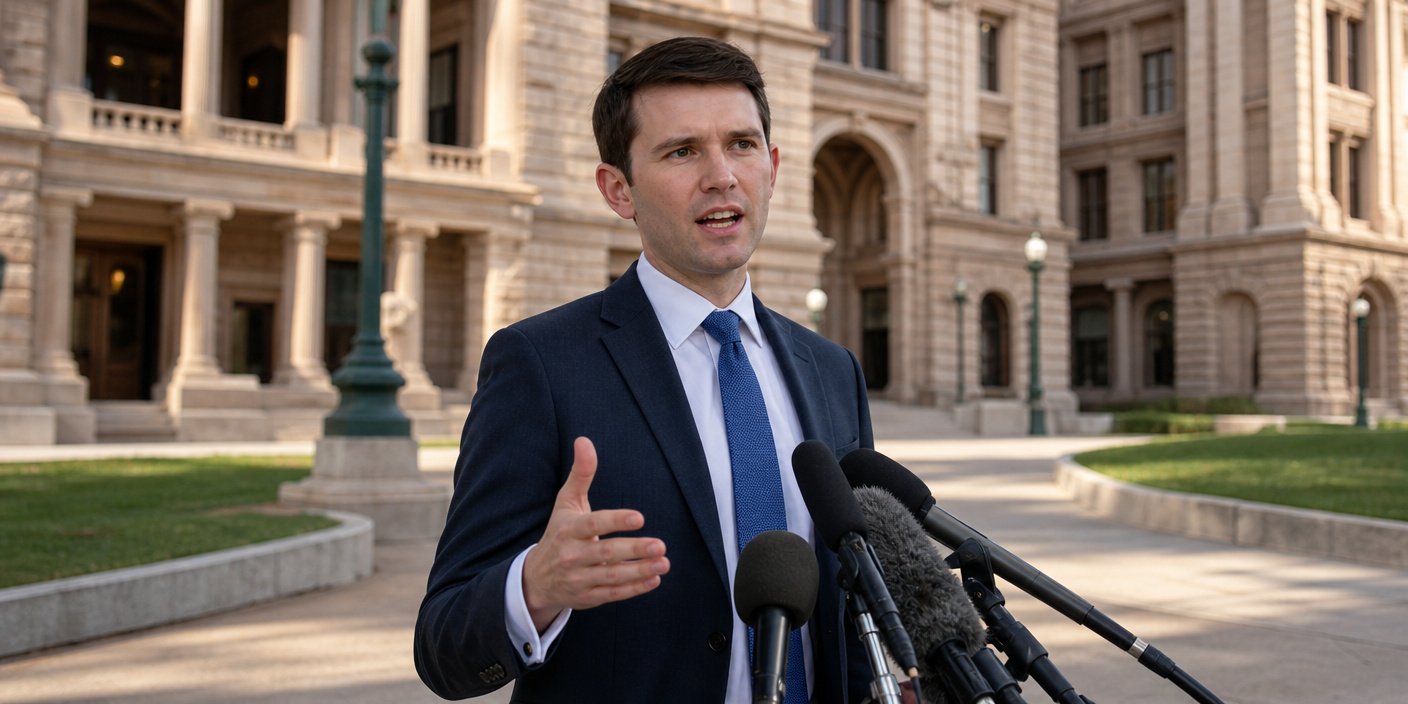

Texas Democratic leaders are mounting urgent pressure on Governor Greg Abbott to launch a full-scale, independent investigation into persistent systemic failures within the state’s voter registration system, citing critical technological glitches and administrative backlogs that threaten to disenfranchise eligible citizens ahead of the critical November general election. The demand follows a series of reports from election officials and civic groups detailing significant discrepancies in the state’s processing portals.
Key Highlights
- Demand for Accountability: State Democratic lawmakers are calling for an immediate, transparent audit of the Texas Secretary of State’s voter registration processing systems.
- Systemic Failure Concerns: Reports indicate significant delays and technical errors in the “Texas SOS” portal, which handles voter rolls and registration updates.
- Disenfranchisement Risks: With early voting dates approaching, officials fear that thousands of eligible Texans may find their registration status inactive or incorrect due to database maintenance failures.
- Calls for Executive Action: The party has urged Governor Abbott to utilize his administrative authority to ensure the state’s infrastructure is fully operational to prevent voter suppression.
The Fight for Electoral Integrity: Inside the Texas Registration Crisis
The machinery of democracy relies on the seamless integration of state technology and county-level administrative oversight. However, in Texas, that machinery is currently facing intense scrutiny. Following mounting reports of glitches, dead-end registration links, and delayed confirmation updates, Democratic legislators have formally requested that Governor Greg Abbott initiate a comprehensive investigation into the integrity of the state’s voter registration database. This request is not merely a political posture; it is rooted in growing concerns that technical instability could prevent Texans from casting their ballots.
The Anatomy of the Technical Breakdown
At the heart of the controversy is the Texas Secretary of State’s (SOS) digital infrastructure. For months, county election administrators—who are responsible for processing the bulk of voter applications—have noted inconsistencies in data synchronization between local county databases and the centralized state system. These issues range from inability to verify applicant residency to automated “purge” triggers that incorrectly flag active voters.
Tech experts and election watchdogs have pointed to antiquated database architecture struggling under the weight of increased traffic. When the system fails to “handshake” properly with county records, the result is often a registration application that sits in limbo, neither accepted nor rejected, but effectively trapped in a digital void. For the individual voter, this can lead to being turned away at the polls or forced to cast a provisional ballot, which faces a much higher rate of rejection than standard ballots.
Legislative Pressure and Executive Response
The call for an investigation is led by a coalition of Democratic lawmakers who argue that the Secretary of State, currently appointed by the Governor, has failed to provide adequate transparency regarding the severity of these technical failures. The coalition’s letter to Governor Abbott emphasizes that the integrity of the election is a non-partisan issue; if the system is broken, the results of the election could be subject to legal challenges from all sides.
By demanding a probe, the party is attempting to force an acknowledgment of the issue from the executive branch. They are calling for an immediate audit to determine if the failures are the result of insufficient funding, technical obsolescence, or administrative negligence. As of now, the Governor’s office has offered limited public comment, focusing instead on the state’s standard cybersecurity measures, which critics argue do not address the specific data-processing backlogs currently paralyzing county-level operations.
Secondary Angles: A Broader Crisis of Administration
To understand the magnitude of this crisis, we must look beyond the immediate technical glitches.
1. The Legacy of SB 1: The current instability exists within the shadow of Senate Bill 1, the sweeping 2021 election law that introduced new procedural requirements for election administrators. Many local officials argue that the state’s digital infrastructure was never adequately upgraded to handle the complex validation requirements imposed by the new law, leading to a bottleneck of bureaucratic processing.
2. Cybersecurity and Public Trust: Beyond mere glitches, there is a fundamental question of trust. In an era of heightened concerns regarding election interference, any technical failure is amplified. When a state system falters, it provides fuel for conspiracy theories, potentially undermining voter confidence in the democratic process regardless of the intent behind the errors.
3. Economic Implications of Election Litigation: If these technical failures result in a measurable dip in turnout or mass provisional balloting, the potential for post-election litigation is massive. Texas could face expensive, drawn-out legal battles challenging the results in tight districts, potentially costing the state and local counties millions in legal fees—costs that could be avoided if the administrative system were functional.
As the state approaches the final countdown to the November election, the pressure on Governor Abbott to fix the system is not just coming from the Democratic party, but from the reality of a system that is clearly groaning under the strain of modern electoral demands. Whether this leads to a formal probe or a quiet backend update, the focus will remain firmly on the screens of the election officials who hold the keys to the state’s voter rolls.