
A pivotal new statewide poll commissioned by the Latino Community Foundation has shattered the traditional narrative that California and Texas voters exist in entirely different political orbits. The data confirms that Latino voters across both states are increasingly aligned, signaling a major shift in how gubernatorial and U.S. Senate candidates must approach the 2026 midterms. The findings reveal that economic security is no longer defined merely by inflation or job numbers, but by the tangible, rapid onset of the digital revolution.
Key Highlights
- Unified Priorities: Latino voters in California and Texas, despite vast geographic and political differences, report strikingly similar concerns regarding the future of the economy.
- The Digital Economy: Artificial Intelligence (AI) and the proliferation of large-scale data centers have emerged as top-tier concerns for Latino households.
- Housing as a Litmus Test: Housing affordability remains the primary driver of political support, with voters demanding concrete legislative solutions rather than rhetoric.
- 2026 Midterm Impact: The polling indicates these issues will directly dictate support for upcoming gubernatorial and U.S. Senate races.
The New Latino Voter Mandate: Tech, Housing, and 2026 Realities
The traditional paradigm of Latino voter engagement has long relied on a narrow set of cultural and social issues. However, the Latino Community Foundation poll suggests a rapid pivot toward ‘The New Economy.’ This shift is driven by the realization that the communities in California and Texas are on the front lines of the AI boom.
The AI and Data Center Disconnect
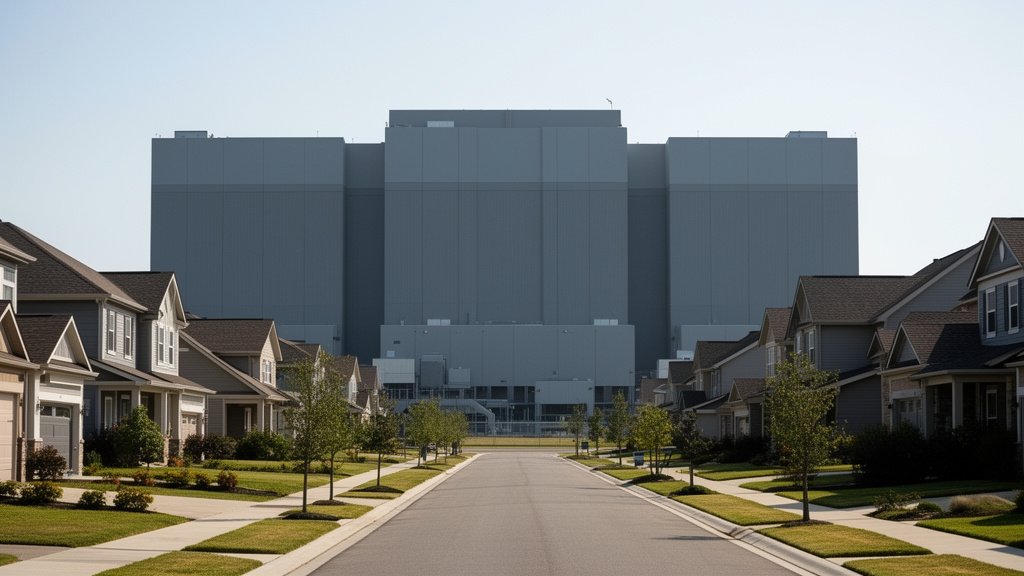
One of the most revealing aspects of the poll is the inclusion of AI and data center infrastructure as major voter concerns. For decades, infrastructure meant roads and bridges. Today, for the Latino electorate in both states, infrastructure means data centers. These facilities, often constructed in or near diverse, working-class communities, are being viewed through a dual lens: as engines of economic growth and as potential sources of local disruption. Voters are asking: Do these data centers create sustainable, local jobs for our families, or do they consume local resources like water and power while providing few tangible benefits to the residents they displace?
Housing: The Anchor of Discontent
While AI and data centers occupy the ‘new’ space of voter anxiety, housing remains the anchor of the 2026 cycle. The data indicates that Latino voters in both California and Texas feel the squeeze of the housing market with equal intensity. Whether it is the high cost of rental units in Los Angeles or the rapid gentrification of suburbs in the Texas triangle, the message is clear: current housing policies are insufficient. Candidates who cannot provide a detailed, actionable plan to curb rising costs and incentivize affordable development will likely find themselves losing support among this critical demographic.
Political Convergence: A New Baseline for Candidates
Historically, political consultants treated California and Texas as binary opposites—California representing a progressive policy stronghold and Texas a conservative fortress. This poll suggests that for the Latino voter, the state line is becoming less relevant than the economic reality. Both states are experiencing the rapid transition to a tech-heavy economy, and the Latino population is bearing the brunt of the instability that comes with that transition. For 2026 candidates, this creates a unique opportunity: a platform that addresses ‘tech-economy anxiety’ and ‘housing security’ can now theoretically appeal to voters in both Austin and San Jose.
The Future of Voter Mobilization
This data suggests a sophisticated, forward-looking electorate. The Latino Community Foundation poll indicates that voters are not just reacting to short-term political soundbites but are evaluating how structural, long-term investments (like AI and massive data infrastructure) will shape their children’s economic future. As we move closer to the 2026 primaries and the subsequent general election, the candidates who demonstrate a mastery of these complex, intersectional issues—rather than relying on legacy wedge issues—will likely hold a significant advantage.
FAQ: People Also Ask
Q: Why are AI and data centers considered top voter issues?
A: Voters increasingly view data centers as major land-use and economic projects. They are concerned about the environmental footprint, energy usage, and whether these facilities bring high-quality, long-term jobs to their specific communities, or merely displace residents.
Q: How does this poll impact the 2026 midterm strategy?
A: Candidates can no longer rely on ‘one-size-fits-all’ messaging. The alignment between California and Texas Latino voters suggests a need for a nuanced economic platform that addresses high-tech industry regulation alongside traditional cost-of-living concerns like housing.
Q: Are these issues unique to Latino voters?
A: While these issues affect all Americans, this poll specifically highlights that for the Latino demographic, there is a heightened sensitivity to how new industry and economic shifts impact community stability, labor opportunities, and family wealth preservation.
Q: Is housing still the #1 issue?
A: Yes, housing affordability remains a foundational concern. It acts as the primary filter through which voters judge the efficacy of current leadership, serving as the benchmark for whether a candidate understands the daily pressures of the average family.