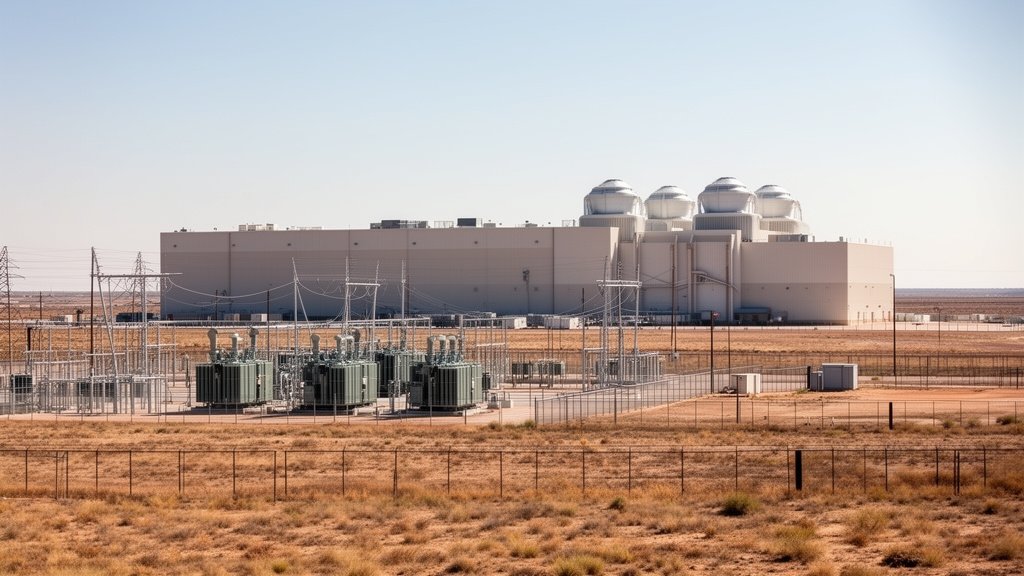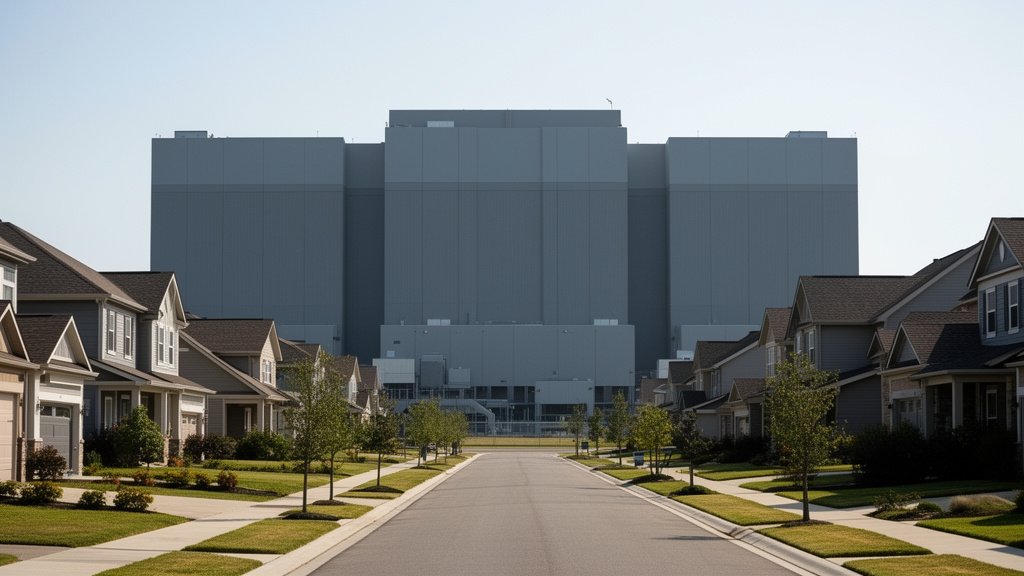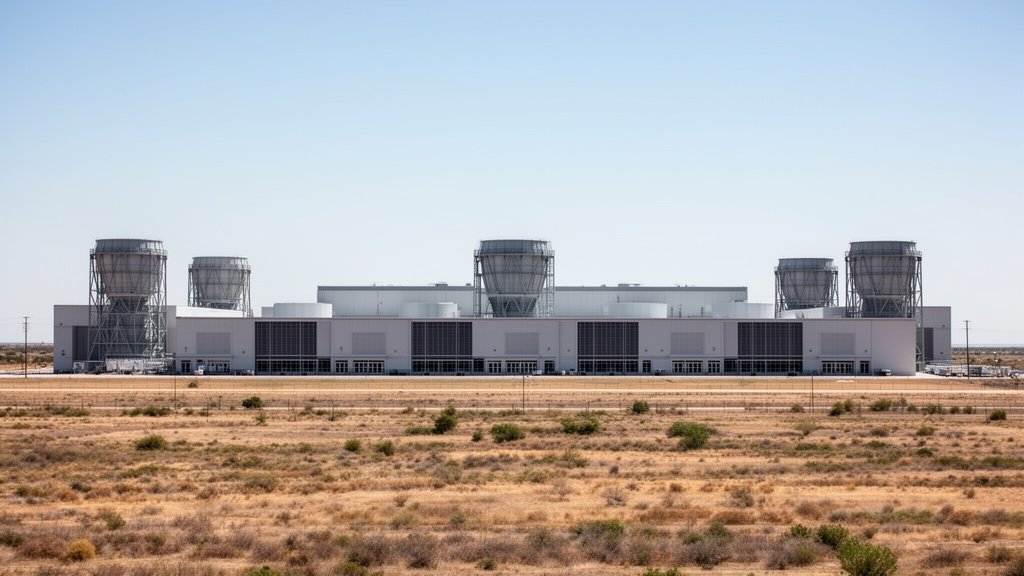
Governor Greg Abbott has issued a formal directive to the Texas Commission on Environmental Quality (TCEQ) to halt the issuance of new air and water permits for data centers. This regulatory pause will remain in effect until at least December, marking a pivotal moment in the state’s approach to balancing the rapid growth of the artificial intelligence (AI) and cloud computing sector with the physical limitations of its power and water infrastructure. The directive arrives as the state seeks to complete crucial audits, specifically tasking the Electric Reliability Council of Texas (ERCOT) and the Texas Water Development Board with evaluating the long-term sustainability of the industry’s consumption patterns.
Key Highlights
- Immediate Permitting Freeze: The TCEQ is currently prohibited from granting new air and water permits for data center projects, effectively pausing expansion until the December review period.
- Infrastructure Audits: The pause is conditional on comprehensive reports from ERCOT regarding power grid reliability and the Texas Water Development Board concerning water usage metrics.
- Resource Sustainability: The directive prioritizes grid stability and water conservation, addressing concerns that high-density computing facilities are straining critical state resources.
- December Review Date: The current moratorium is slated for re-evaluation in December, creating a high-stakes window for tech developers to demonstrate efficiency and grid compatibility.
The Sustainability Squeeze: Assessing Texas’ Infrastructure Capacity
The rapid proliferation of hyperscale data centers—driven largely by the global explosion of AI development and large language model training—has placed unprecedented strain on regional infrastructure. In Texas, the intersection of a high-growth tech sector and a notoriously sensitive energy grid has led to this state-mandated “cooling off” period.
The ERCOT Power Grid Conflict
At the heart of the directive is the role of the Electric Reliability Council of Texas (ERCOT). Data centers are not merely office spaces; they are industrial-scale energy consumers. A single modern hyperscale facility can require power loads comparable to those of a mid-sized American city. Unlike intermittent residential demand, data centers require consistent, baseload power 24/7 to maintain server uptime. Governor Abbott’s administration is clearly signaling that the current trajectory of “plug and play” energy consumption is incompatible with the operational requirements of the Texas grid. ERCOT’s upcoming audit will likely focus on “load forecasting”—determining whether the current grid architecture can sustain the massive influx of new connections without compromising service for existing residential and industrial users.
The Hidden Water Crisis
While the power grid often dominates headlines, water consumption remains a silent, yet equally critical, friction point. Modern data centers utilize vast quantities of water for evaporative cooling systems to prevent server overheating. In arid and semi-arid regions of Texas, where water scarcity is an acute and worsening concern, the Texas Water Development Board has been tasked with quantifying exactly how much of the state’s finite water supply is being consumed by these cooling processes. This audit is not just about quantity; it is about future-proofing. If the Water Development Board finds that data center cooling is significantly depleting local aquifers or municipal water reserves, the state may demand a shift toward air-cooled or closed-loop cooling technologies as a condition for future permits.
The Economic Balancing Act
This policy represents a classic regulatory dilemma: fostering economic growth versus maintaining public service reliability. Texas has aggressively courted tech companies with low taxes and pro-business policies, leading to a massive influx of investment. However, this directive suggests that Governor Abbott is moving from a philosophy of “growth at any cost” to “growth through managed infrastructure.” By pausing the permitting process until December, the state is creating a forced negotiation period where developers will have to prove their facilities are net-positive contributors to the grid or demonstrate high levels of energy and water efficiency.
Anticipating the December Pivot
What happens in December will likely set the tone for data center development in the United States for the next decade. Industry analysts expect that the state will either lift the pause with new, stringent permitting requirements—perhaps involving mandatory grid-load shedding capabilities or water-neutrality certifications—or extend the moratorium if the audits reveal systemic risks. For the developers currently “on ice,” the coming months will be defined by lobbying, technical optimization, and intensive data gathering to prove to the TCEQ that their projects are worthy of resuming construction.
FAQ: People Also Ask
Q: Why did Governor Abbott pause data center permits specifically?
A: The pause is a proactive measure to assess the impact of data center power and water consumption on Texas’ critical infrastructure. With the AI boom increasing energy demands, the state is performing audits to ensure grid reliability and water conservation before authorizing further development.
Q: Will current, operational data centers be affected by this order?
A: The directive targets new air and water permit applications. Facilities that have already secured their permits and are currently operational or in advanced stages of development are generally not subject to the immediate freeze, though they may face future regulatory compliance scrutiny.
Q: What happens after the December deadline?
A: The December date marks a review point. Based on the findings of the ERCOT and Texas Water Development Board audits, the state will likely issue new guidelines for future permitting. This could range from a total lift of the pause to the implementation of new, stricter sustainability standards for all new projects.