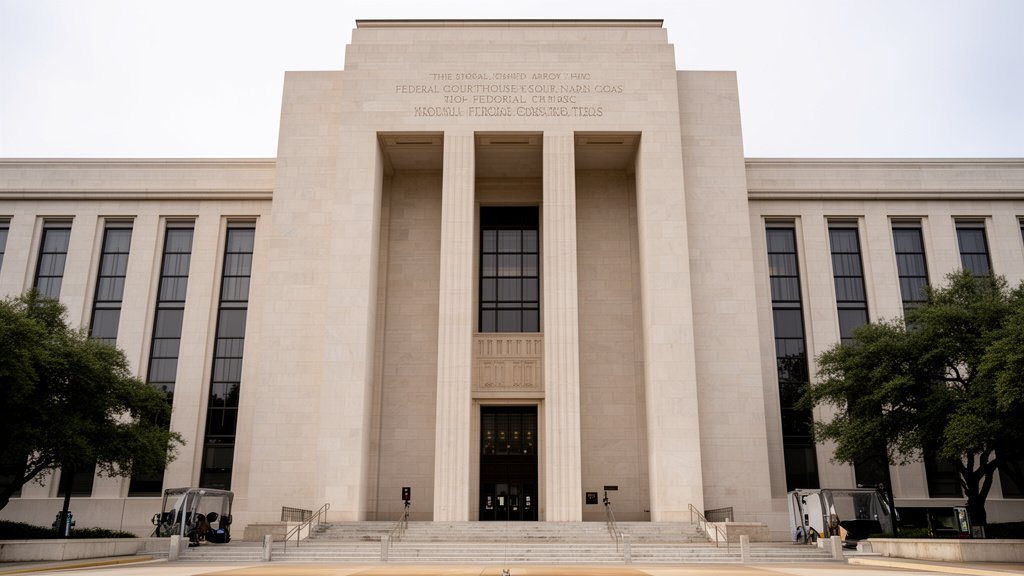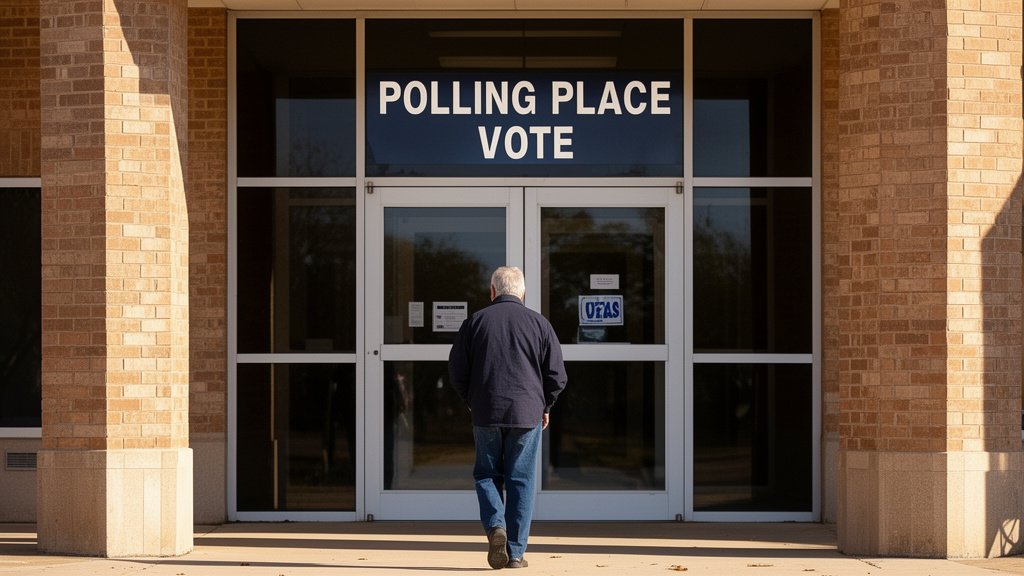


Texas Democrats are sounding the alarm in Tarrant County, launching a coordinated campaign of opposition against local officials following a controversial decision to reduce the number of available voting sites ahead of the upcoming midterm elections. Local activists and party leaders argue that the consolidation—which officials describe as an administrative optimization—functions as a strategic barrier to turnout in key precincts, potentially impacting voters in marginalized communities.
Key Highlights
- Protest Mobilization: Texas Democrats have formally mobilized to challenge the Tarrant County Elections Department’s reduction plan, citing concerns over disenfranchisement.
- Strategic Controversy: Officials argue the move streamlines operations under the ‘countywide voting’ model, while critics label it a suppression tactic.
- Voter Access Concerns: Advocacy groups warn that fewer sites will inevitably lead to longer wait times, increased transit burdens, and diminished participation among working-class voters.
- Midterm Stakes: With Tarrant County acting as a critical battleground, both parties are hyper-focused on administrative decisions that could tip the scales in razor-thin electoral races.
The Battle for Ballot Access: Tarrant County’s Voting Site Crisis
The tension in Tarrant County reflects a broader, ongoing friction point in American democracy: the struggle to balance administrative efficiency with the imperative of universal ballot access. As election administrators scramble to manage the logistical complexities of modern voting, their decisions—often framed in terms of fiscal responsibility and resource management—are increasingly viewed through a partisan lens. In Tarrant County, the recent decision to scale back the number of physical polling locations has become a flashpoint for Democratic organizers, who see the shift not as a neutral logistical adjustment, but as a calculated effort to depress voter participation in areas where the political margins are most competitive.
The Administrative Justification vs. Democratic Opposition
Election administrators in Tarrant County have defended the consolidation by pointing to the transition toward the ‘Vote Center’ model. This system allows voters to cast ballots at any location in the county, rather than being tethered to a specific precinct. Proponents of this model argue that by reducing the total number of sites, counties can concentrate staffing, security, and voting equipment into high-capacity hubs that can better handle high traffic volumes. From this perspective, the goal is to optimize the taxpayer dollar, reduce the need for temporary poll workers—who are increasingly difficult to recruit—and streamline the secure transmission of ballot data.
However, Texas Democrats strongly dispute the narrative that this ‘optimization’ is benign. The primary contention is that while the Vote Center model theoretically grants flexibility, it relies on an assumption that voters possess the mobility to travel to these central hubs. For many residents, particularly those in lower-income urban centers or sprawling suburban developments with limited public transit, the reduction of local neighborhood sites acts as a de facto tax on their ability to vote. When a voting site is moved several miles away, the ‘convenience’ of a vote center is negated by the time, cost, and logistics required to reach it. Democrats argue that in a state where voting laws have been increasingly scrutinized for their restrictive nature, these site closures add a structural layer of difficulty that disproportionately affects non-partisan or Democratic-leaning populations.
The Broader Texas Landscape
To understand the intensity of the pushback in Tarrant County, one must look at the statewide context. Over the past several election cycles, Texas has been at the epicenter of national debates regarding election integrity, voting accessibility, and the role of state government in managing local elections. Legislation such as Senate Bill 1 (SB1) established new hurdles for voting, including tightening rules for mail-in ballots and restricting the expansion of early voting options. In this climate, any local decision to decrease accessibility—even if framed as a standard administrative update—is inevitably met with intense skepticism.
For Tarrant County Democrats, the goal is to ensure that the administrative process does not become a hurdle for the electorate. Party leaders are currently pushing for a moratorium on further site closures, demanding a more transparent review process that includes community input. They contend that the criteria for selecting site locations should prioritize proximity and accessibility to high-density population areas rather than purely operational costs.
Future Implications and Voter Engagement
Looking toward the midterms, the fallout from this dispute is likely to dictate voter turnout strategies. If the county proceeds with the reductions, Democratic organizers are signaling that they will pivot their efforts toward large-scale ‘get out the vote’ operations, potentially including transport programs to ferry voters to these centralized hubs. This, in turn, may increase the cost of running campaign operations, as political groups are forced to subsidize the infrastructure that the county is effectively removing.
Furthermore, the dispute highlights a potential vulnerability in the election administration process: the lack of standardized, non-partisan metrics for determining polling site distribution. As long as these decisions remain largely at the discretion of local officials without a federally or state-mandated framework for ‘voter convenience,’ political conflict over site placement will remain an enduring feature of the Texas electoral landscape. The outcome of this protest will serve as a bellwether for how election battles will be fought in the coming years—not just at the ballot box, but in the halls of local election boards and county administrative offices.
FAQ: People Also Ask
1. Why are Tarrant County officials closing voting sites?
Officials argue that consolidating sites into larger ‘Vote Centers’ creates a more efficient and cost-effective system by concentrating staffing and resources, reducing the need for smaller, underutilized precinct-based sites.
2. What is the main argument against the site reductions?
Critics, including Texas Democrats, argue that reducing the total number of locations forces voters to travel further, which acts as a barrier to accessibility, particularly for low-income or transit-dependent voters, potentially leading to lower voter turnout.
3. How does the ‘Vote Center’ model work?
Unlike traditional precinct voting, where residents must vote at their assigned local station, the Vote Center model allows any registered voter in the county to cast their ballot at any authorized polling location within the county on Election Day.
4. Is this a common trend in Texas elections?
Yes, many Texas counties have transitioned to the Vote Center model over the last decade, leading to various degrees of consolidation. This has been a recurring point of contention between local election administrators and voting rights advocacy groups statewide.