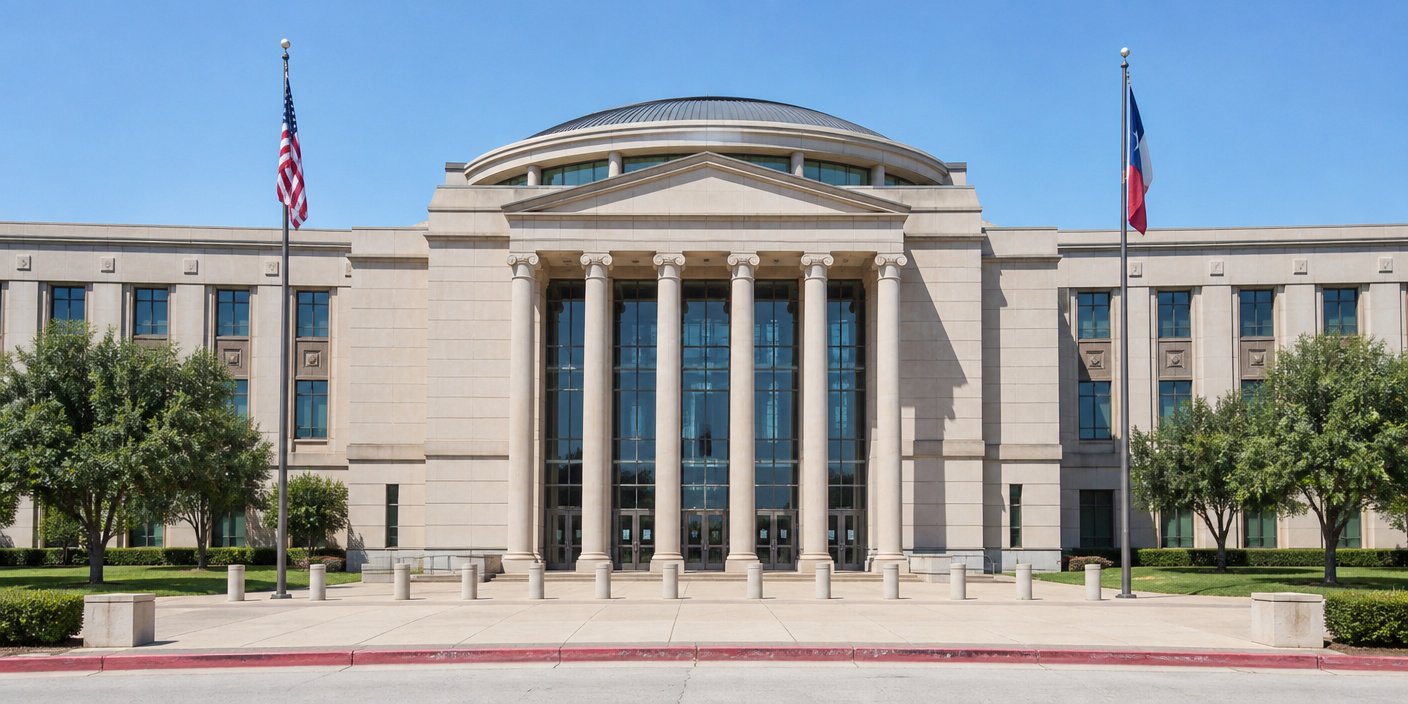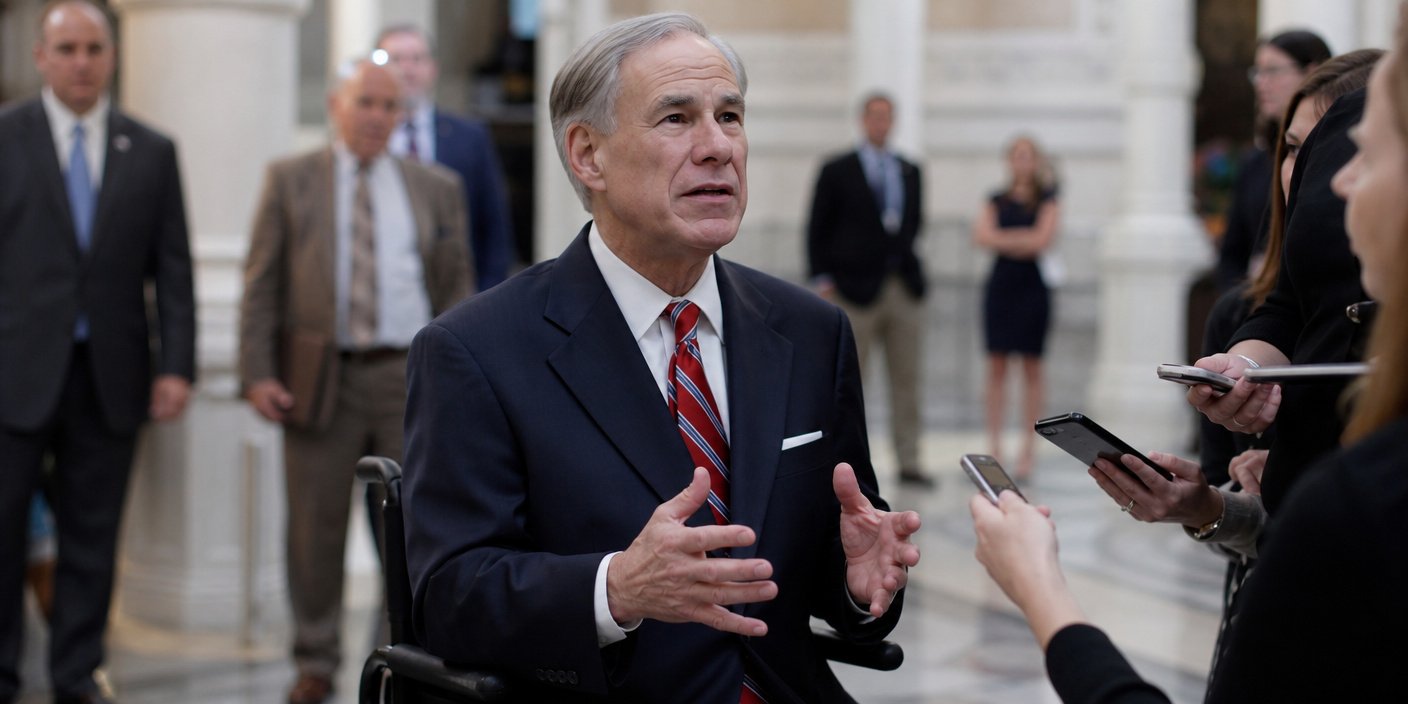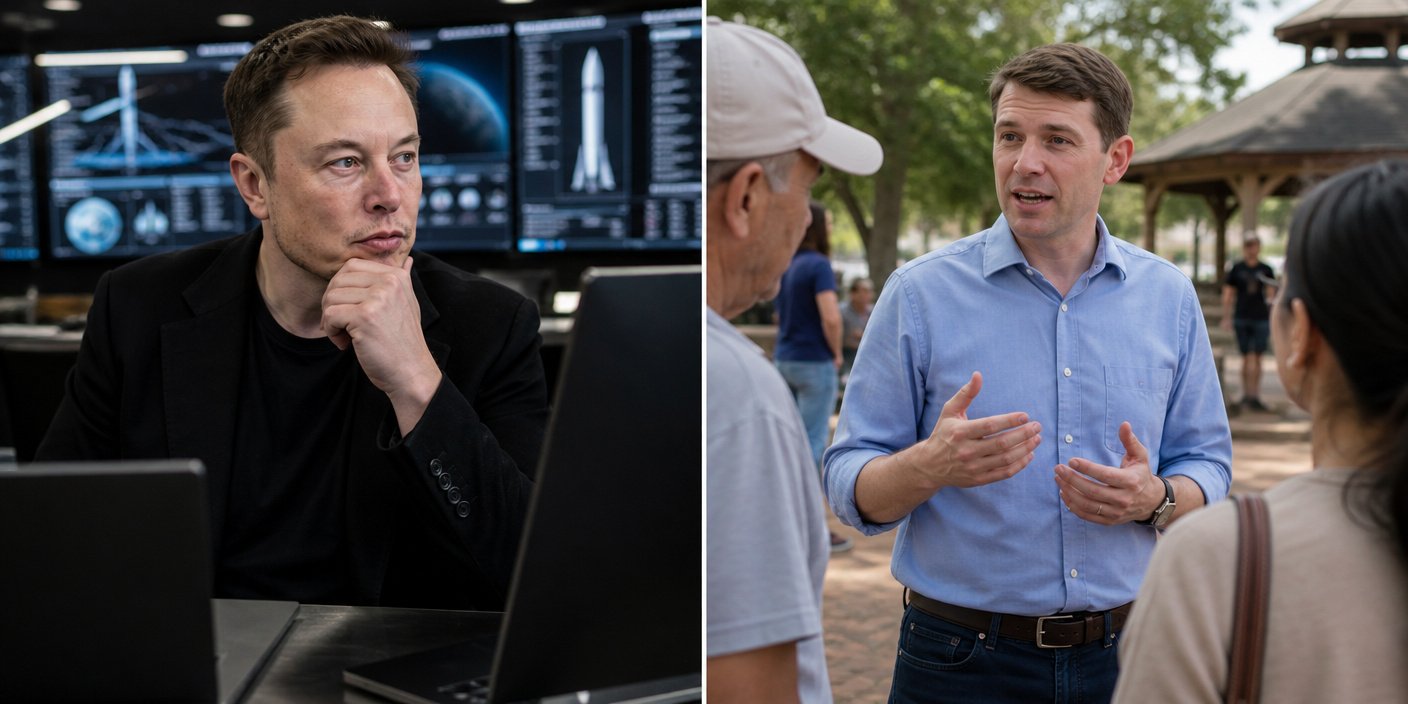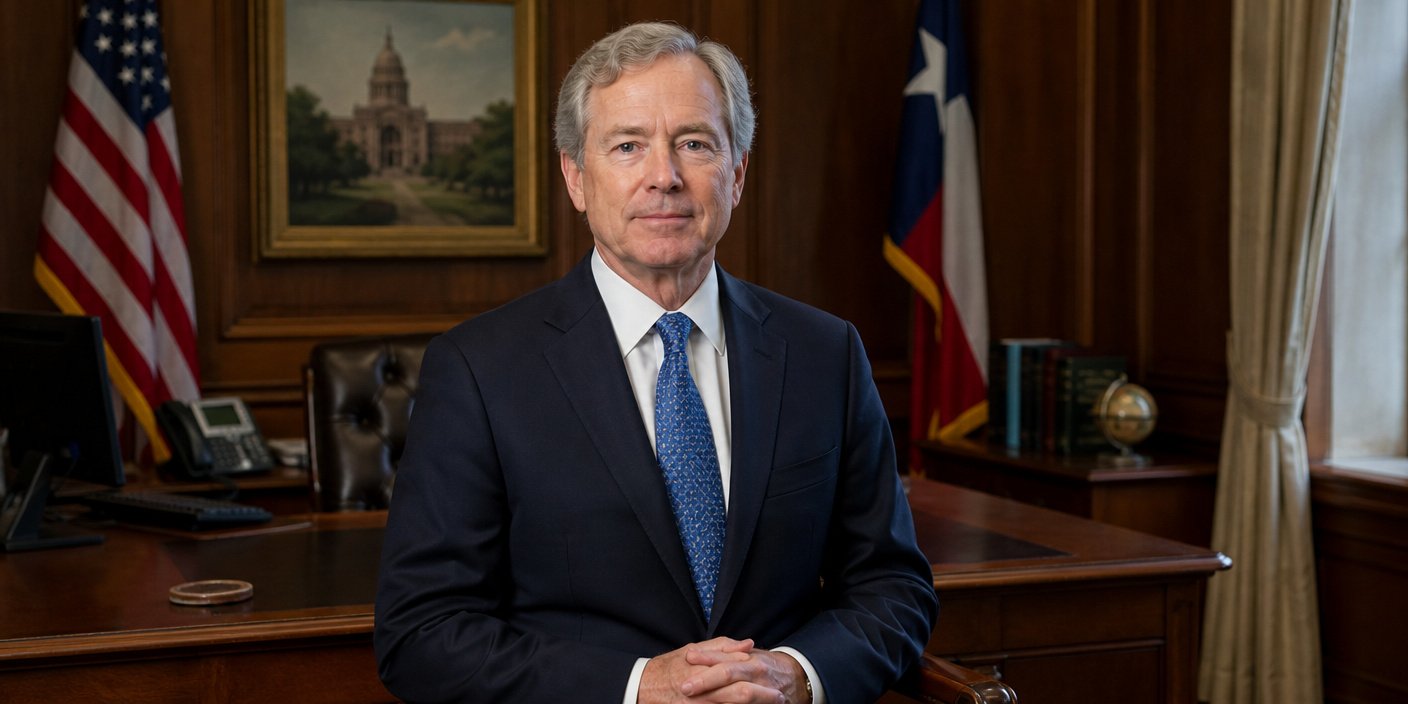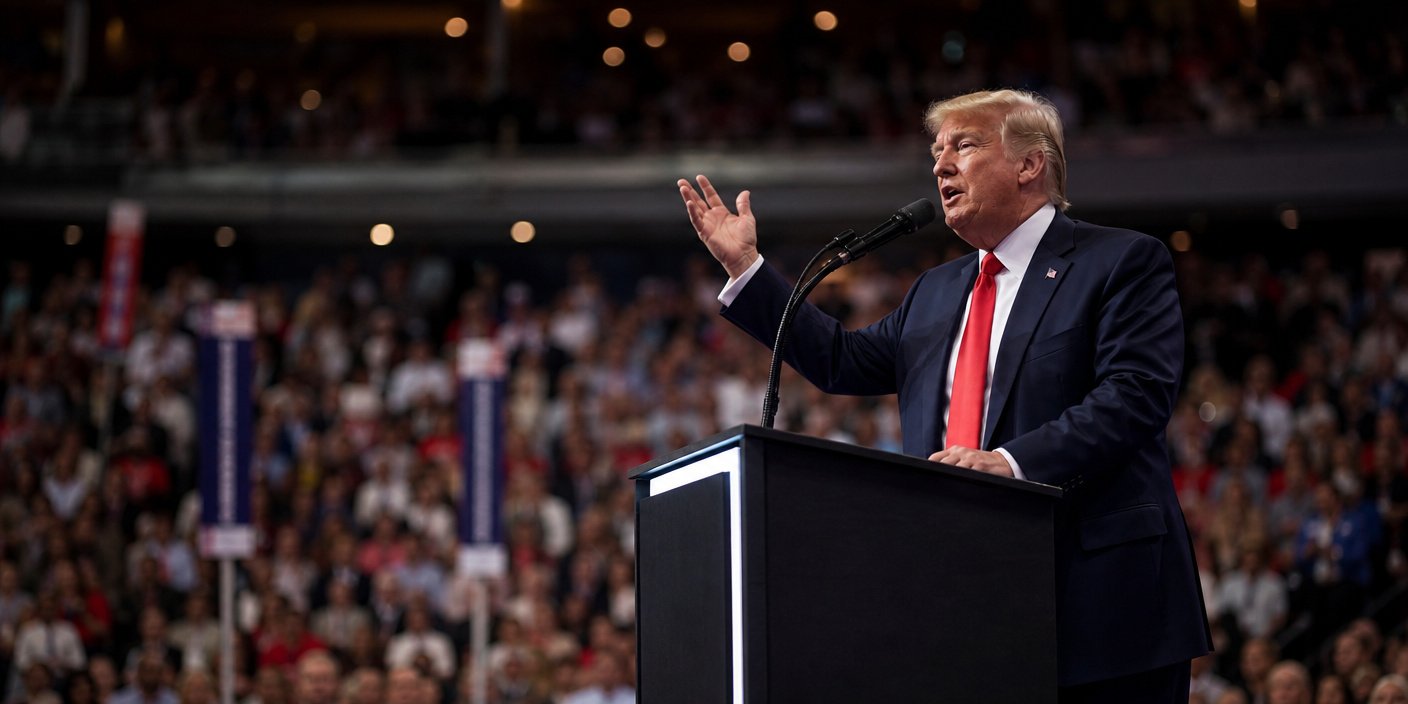
The Republican party’s path to the November midterms is sharpening its focus this week as high-profile figures and grassroots organizers descend upon Dallas, Texas, for a pivotal political convention. With Donald Trump serving as the central attraction, the event acts as a critical sounding board for the party’s “America First” agenda, designed to solidify voter turnout and refine messaging in a volatile economic environment. The gathering is widely viewed as the ideological heart of the midterm campaign, where the interplay between traditional party infrastructure and Trump’s populist influence will dictate the party’s closing arguments for voters nationwide.
The Strategic Convergence in Dallas
For many political analysts, the selection of Dallas as the host city for this high-stakes convention is no accident. Texas has increasingly become the epicenter of the modern conservative movement, serving as a laboratory for policy initiatives ranging from border security and election integrity to energy independence. This convention functions as a mobilization hub, bringing together key state legislators, candidates, and national party surrogates. The primary objective is clear: to leverage the momentum built during the primary season and convert it into a cohesive national strategy that emphasizes the challenges facing the current administration—specifically inflation, supply chain disruptions, and the escalating energy crisis.
As attendees fill the convention halls, the focus remains squarely on unity. The event is orchestrated to bridge the gap between varying factions within the GOP, ensuring that regardless of primary contest differences, the party moves forward with a singular vision for the upcoming midterms. This unity is essential for winning back key battleground states, where margins are expected to be razor-thin.
The Trump Factor and Midterm Endorsements
Donald Trump remains the singular force driving Republican enthusiasm. His keynote addresses at events like this are closely parsed for “endorsement power”—a phenomenon where the former president’s public backing effectively reshapes a local or national race. During the Dallas proceedings, Trump’s messaging is expected to focus on two distinct fronts: defending his administration’s track record and attacking the policies of the current White House.
Analysts suggest that the convention serves as a live test of how successfully Trump can transfer his base’s intensity to down-ballot candidates. By highlighting specific Senate and House contenders, the former president aims to create a legislative firewall that would stall the current administration’s agenda if Republicans secure the majority in Congress. This strategy relies on the assumption that a referendum on the status quo, framed through Trump’s rhetoric, will mobilize suburban voters and independents concerned about the economic trajectory of the country.
The Economic and Cultural Battlefield
Beyond individual candidates, the convention is a platform for defining the “GOP brand” in 2022. The core pillars of the debate center on the economic anxiety gripping American households. With national inflation hovering at historic highs, the party is leveraging data to paint a picture of fiscal instability, positioning itself as the party of prudent governance and pro-growth economic policies.
Simultaneously, the cultural divide remains a potent mobilizing factor. Discussions in Dallas are placing significant weight on issues like parental rights in education, corporate ESG policies, and the broader debate over federal authority versus state sovereignty. By weaving these cultural grievances into the economic narrative, the GOP is attempting to create a multi-layered appeal that speaks to both the traditional conservative base and working-class voters who have moved into the Republican column since 2016.
Texas as the Conservative Bellwether
Texas acts as the perfect backdrop for this narrative. As the state grows in both population and economic influence, its political shift is being used as a model for national ambitions. State-level successes in passing restrictive abortion legislation and hardening border defenses are frequently touted as blueprints for what a federal GOP majority could look like. The convention is not merely a meeting of the party’s elite; it is a signal to the nation that the center of gravity in American politics has shifted southward and toward the conservative ideology that has found its most fervent expression in the Lone Star State.
Preparing for the November General Election
As the convention concludes, the transition from “convention rhetoric” to “campaign action” will be immediate. The key takeaways from the Dallas gathering—specifically the emphasis on early voting, ballot harvesting counter-strategies, and localized issue advocacy—will be deployed to local chapters across the country. The success of this midterm cycle will hinge not just on the excitement generated in ballrooms like those in Dallas, but on the disciplined execution of these strategies in the final weeks leading up to November. The GOP is treating this cycle as a foundational step toward 2024, aiming to build a political machine that is capable of sustaining its influence through the next presidential election cycle and beyond.
FAQ: People Also Ask
What is the significance of Trump attending this convention in Dallas?
Trump’s attendance is the primary driver of media coverage and grassroots excitement. His presence serves as a stamp of approval for the party’s direction and helps centralize the “America First” platform as the standard for midterm candidates.
How does this event impact the 2022 midterm strategy?
The convention helps unify various GOP factions and ensures that messaging around inflation, the economy, and border security is consistent across all congressional and senatorial campaigns.
Why is Dallas hosting such a high-profile Republican gathering?
Texas is currently a stronghold of the modern conservative movement. Hosting the event in Dallas allows the GOP to highlight state-level policy successes as a model for national legislative goals.
Will this convention change the outcome of the midterms?
While no single event determines an election, conventions of this scale are crucial for fundraising, voter registration mobilization, and “get out the vote” (GOTV) coordination, all of which directly influence turnout in tight races.