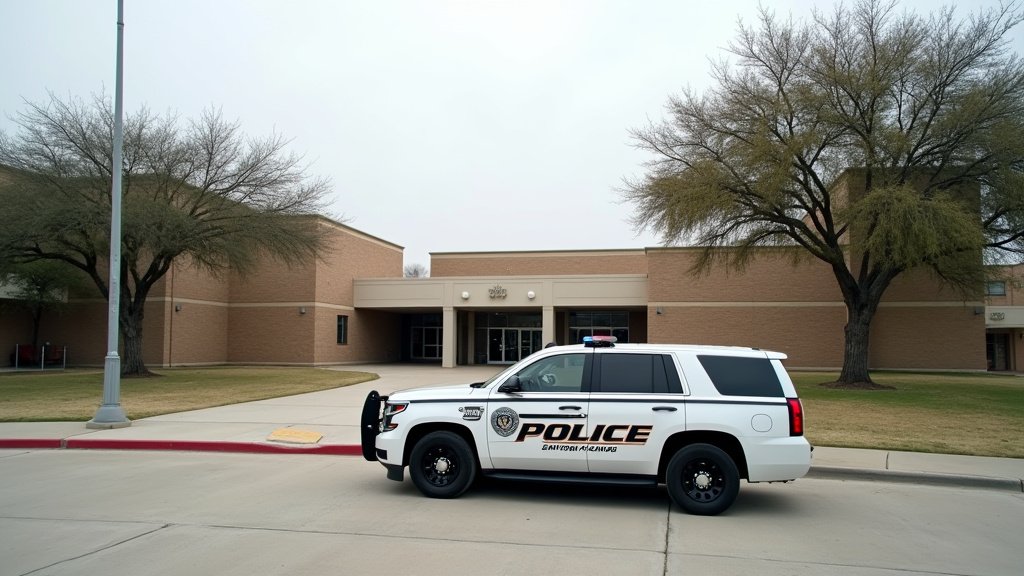

The City of Beaumont has issued a formal directive to all residents regarding the reporting of property damage sustained during the passage of Tropical Storm Edouard. Local officials emphasize that while gathering data is a crucial step in the recovery process, the physical safety of citizens remains the paramount concern. The City is urging residents to refrain from venturing out to inspect property until conditions are confirmed as safe, citing significant risks from debris, downed power lines, and potential gas leaks that often accompany tropical weather systems in Southeast Texas.
To streamline the collection of damage assessments, Beaumont authorities have directed the public to utilize the Individual State of Texas Assessment Tool (iSTAT). This digital platform, managed by the Texas Division of Emergency Management (TDEM), is the official mechanism for collecting data that helps state and local officials determine the severity of impact and the potential need for federal disaster declarations.
Navigating the Official Damage Reporting Process
The immediate aftermath of a tropical storm often presents a chaotic environment where infrastructure damage can pose ongoing threats. Beaumont officials are stressing a measured approach to documentation. Before attempting to assess any structural impact, residents must verify that their immediate vicinity is clear of hazardous electrical lines or compromised utility infrastructure. The city’s guidance is clear: no piece of property is worth the risk of personal injury.
Operationalizing the iSTAT Reporting System
The iSTAT system serves as the backbone for disaster data aggregation in Texas. It is not merely a record-keeping tool but a vital instrument for disaster resource allocation. When residents input their damage details—including high-water marks, structural breaches, or utility failures—that data is funneled directly to state emergency planners. These planners use the information to calculate the ‘damage threshold,’ a metric required by the Federal Emergency Management Agency (FEMA) to justify a Major Disaster Declaration. Without this localized, crowdsourced data, the process for securing federal public assistance grants can be significantly delayed, impacting the speed of debris removal and infrastructure repairs.
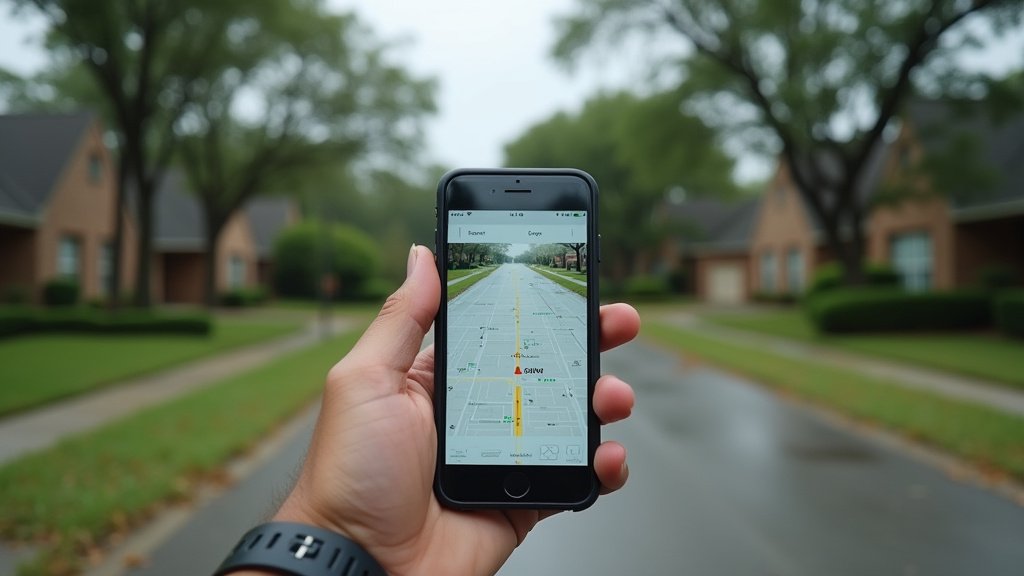
Residents are advised to access the iSTAT web portal via a mobile device or home computer. The form asks for specific documentation, including:
- Geographic location: Precise addresses are necessary for mapping impact zones.
- Visual evidence: Clear photographs of the damage, taken from a safe distance.
- Category of damage: Differentiating between minor structural issues and major, uninhabitable destruction.
The ‘Safety First’ Directive and Hazardous Conditions
Beaumont’s geography, heavily industrial and prone to localized flooding, presents specific dangers during storm recovery. The City has issued stern warnings regarding the ‘hidden’ hazards of Tropical Storm Edouard. Downed power lines may still be energized, even if they appear dormant. Furthermore, gas leaks are common occurrences when tree limbs fall on residential utility meters.
Residents are instructed to prioritize the ‘Assessment of Environment’ before the ‘Assessment of Property.’ If a structure appears to have compromised foundational integrity—such as shifting walls or leaning supports—the city advises that residents evacuate the premises immediately rather than attempting to document the damage. Professional emergency personnel are equipped with the necessary safety gear to inspect and secure these structures, and residents should wait for official clearance before performing detailed interior inspections.
Strategic Importance of Data Accuracy
The accuracy of iSTAT reports directly influences the timeline for recovery funds. When thousands of residents submit reports, the sheer volume of data allows city planners to overlay storm surge models with actual reported losses. This ‘ground truth’ validation is what separates a localized incident from a regional emergency. For the Beaumont community, precise reporting is an act of civic responsibility that ensures the most vulnerable areas receive priority for limited recovery resources.
Secondary Angles: Future-Proofing and Recovery
Beyond the immediate crisis of Tropical Storm Edouard, this reporting event highlights three critical secondary considerations for the Beaumont region:
1. Economic Resilience: The speed at which damage is cataloged dictates how quickly local businesses can reopen. Rapid data collection allows the Small Business Administration (SBA) to assess eligibility for low-interest disaster loans more effectively, keeping the local economy stable.
2. Infrastructure Hardening: Cumulative data from events like Edouard helps urban planners identify recurring ‘hot spots’ in the city’s drainage and electrical grid. This historical mapping is essential for securing long-term infrastructure grants, such as those from the Building Resilient Infrastructure and Communities (BRIC) program.
3. The Digital Transition: The reliance on the iSTAT system marks a significant shift in emergency management, moving away from paper-based reporting at local emergency operations centers toward a decentralized, cloud-based framework. This modernization is crucial for managing larger-scale events where physical access to government offices might be cut off by flooding.
FAQ: People Also Ask
How does iSTAT reporting differ from an insurance claim?
An iSTAT report is used by the State of Texas and FEMA to assess the community-wide impact of a storm to determine if federal disaster aid is necessary. It is not a substitute for filing an insurance claim with your private provider. You must still contact your insurer to initiate a claim for individual property coverage.
What if I cannot access the internet to submit an iSTAT report?
The City of Beaumont recognizes that internet and cellular outages are common after storms. While iSTAT is the preferred method, residents unable to access the web are encouraged to monitor local Beaumont emergency radio and city social media channels for alternative reporting methods, such as drop-in centers or dedicated phone hotlines that may be established if connectivity issues persist.
Is there a deadline for submitting these reports?
While residents should assess and report damage as soon as it is safe to do so, there is typically an open window for reporting. However, the City of Beaumont advises submitting reports as early as possible. Data collected within the first 48 to 72 hours is the most influential in the preliminary damage assessment phase used by state officials.