

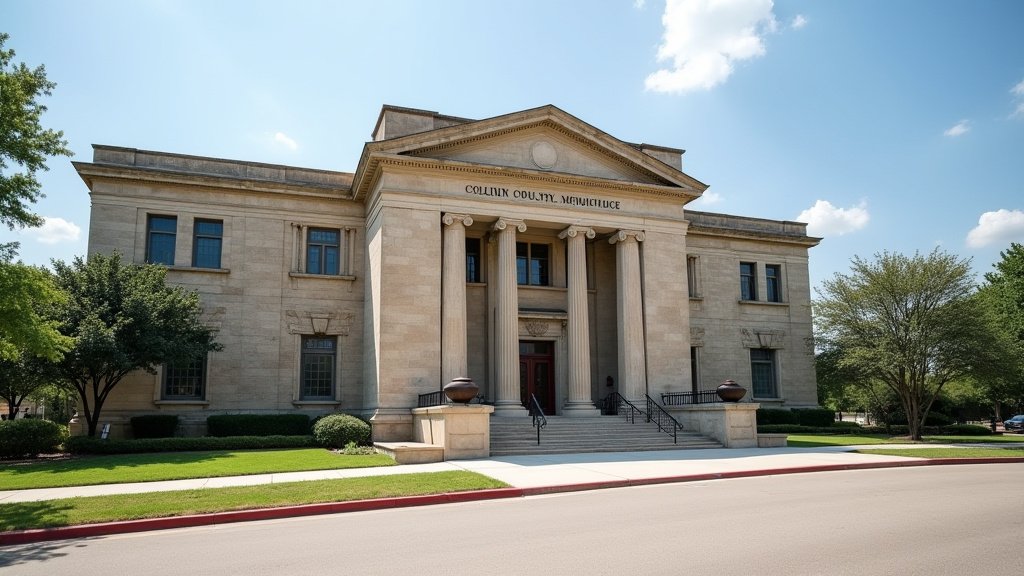
A Collin County District Court judge has delivered a decisive ruling, denying an appeal for a new trial filed by Karmelo Anthony regarding his conviction for the 2025 murder of 17-year-old Austin Metcalf. The ruling brings a definitive end to this particular legal challenge, confirming that the conviction stands and the original verdict delivered by the jury remains intact. The incident, which occurred at a high school track meet, sent shockwaves through the local community and raised significant questions regarding safety at youth sporting events.
The Legal Decision and Current Standing
The judge’s decision to deny the motion for a new trial centered on the sufficiency of the evidence presented during the original proceedings and the integrity of the initial jury verdict. Karmelo Anthony, represented by his defense counsel, had sought an appeal based on procedural grounds and claims related to evidence admissibility. However, the court found no compelling evidence or constitutional violation sufficient to warrant overturning the previous judgment. By upholding the conviction, the court has signaled that the findings of the original trial, which concluded that Anthony was responsible for the death of Metcalf, remain legally sound.
This decision is a significant milestone in the judicial process for this case. For the Metcalf family, the denial of the appeal represents a necessary step toward finality, as they continue to navigate the aftermath of the tragedy. In the Collin County legal system, this denial reinforces the weight of the original evidentiary record, which included eyewitness testimony and forensic data recovered from the scene of the 2025 shooting.
Understanding the 2025 Tragedy
The events leading to this legal conclusion unfolded at a regional track meet in 2025. What was intended to be a routine day of athletic competition turned fatal when Austin Metcalf, a 17-year-old student-athlete, was shot and killed. The event drew immediate media attention and triggered a massive law enforcement investigation. The proximity of the violence to a public school athletic event underscored the vulnerability of extracurricular environments. Authorities were able to identify Anthony as the primary suspect, leading to an indictment and a subsequent trial that culminated in the conviction now being upheld.
Implications for Community Safety
The aftermath of this tragedy has sparked a broader conversation within Collin County and beyond regarding the security protocols at school-sponsored events. The fact that a violent crime could occur in such a public, supervised setting has forced administrators to re-evaluate how they manage access, security staffing, and emergency response plans. The case has become a focal point for debates surrounding juvenile violence and the preventative measures required to protect student-athletes from external threats.
Forensic and Procedural Integrity
A critical element of the appeal process focused on the forensic evidence utilized by the prosecution. During the initial trial, the state presented detailed ballistics reports and digital forensic evidence that linked Anthony to the scene. The appellate defense had argued that specific portions of this evidence should have been excluded. However, the judge’s recent order clarifies that the trial court’s original interpretation and inclusion of these materials met the strict standards of the Texas rules of evidence. This reaffirmation highlights the rigorous nature of criminal proceedings in Collin County, where the standard for overturning a conviction requires proof of substantial legal error, not merely a disagreement with the jury’s interpretation of facts.
The Path Forward
With the appeal for a new trial denied, the legal path moving forward likely involves potential filings with higher appellate courts, should the defense choose to pursue them. However, for the time being, the conviction stands as the final word from the lower court. The community, meanwhile, continues to honor the memory of Austin Metcalf, with ongoing discussions about creating safer environments for youth sports. The resolution of this appeal is a somber reminder of the indelible impact of this 2025 incident on all parties involved.
FAQ: People Also Ask
Why was Karmelo Anthony’s appeal denied?
The court denied the appeal because the defense failed to demonstrate a substantial legal error or constitutional violation that would necessitate a new trial. The judge determined that the original conviction was supported by sufficient evidence and that the trial proceedings were conducted appropriately.
What happened to Austin Metcalf at the track meet?
In 2025, 17-year-old Austin Metcalf was shot and killed during a regional track meet. The incident, which occurred in a public setting, resulted in a high-profile criminal investigation and the subsequent conviction of Karmelo Anthony.
What are the next steps in the legal process?
While the request for a new trial was denied by the Collin County judge, the defense may theoretically explore further appellate options at the state level. However, as of now, the original conviction stands, and the current legal status is final at the district court level.
How has this impacted the local community?
The tragedy has led to significant shifts in how local school districts handle security for extracurricular events, including increased presence of law enforcement and stricter access controls at sporting venues to prevent future violence.