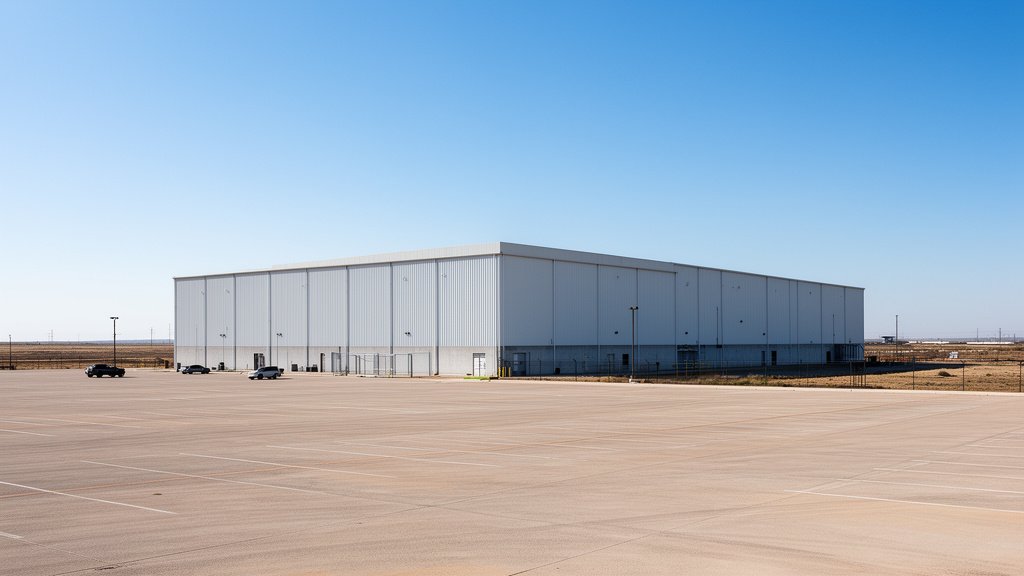

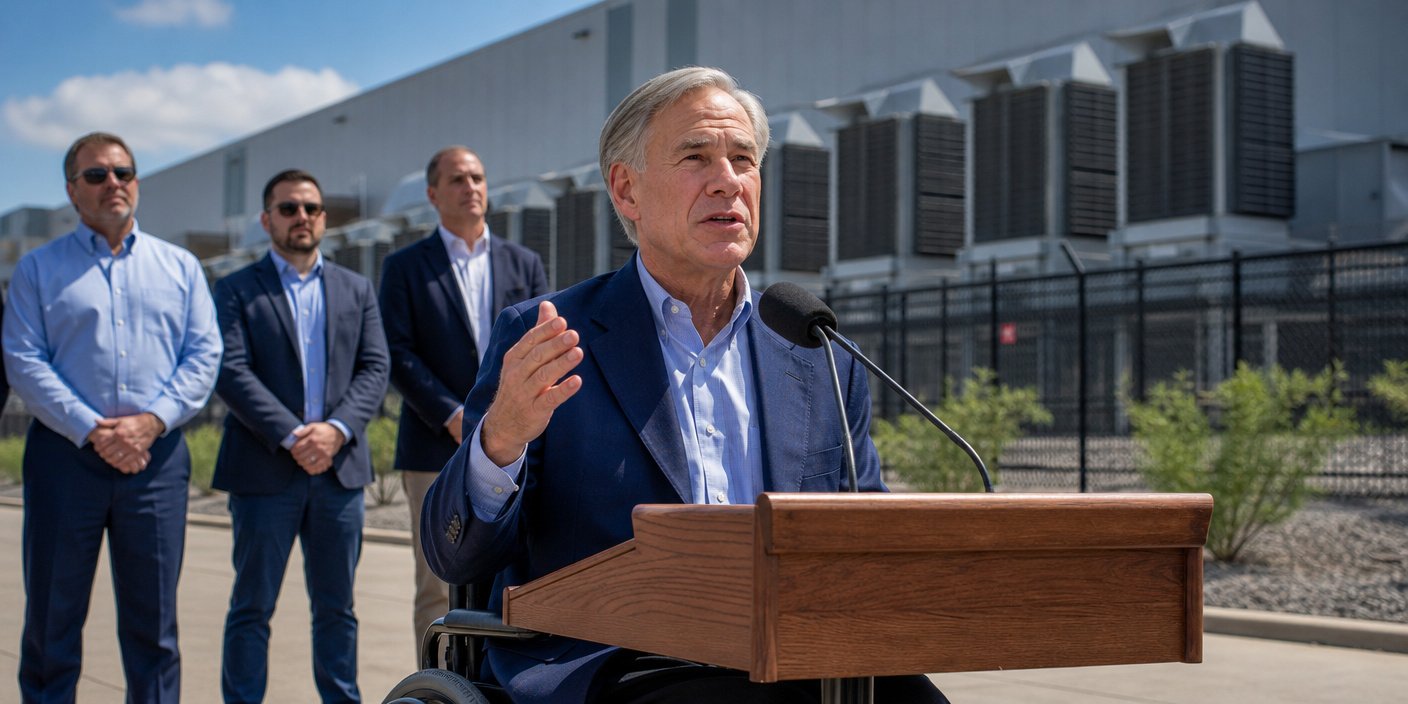
Governor Greg Abbott has positioned Texas as the premier destination for the booming data center industry, but a recently announced state audit of these facilities has drawn sharp criticism for its lack of actionable intelligence. While the Governor and industry proponents have framed the audit as a necessary step to secure the state’s energy future, policy analysts warn that the initiative may be little more than a superficial gesture that ignores the deep, systemic challenges facing the Electric Reliability Council of Texas (ERCOT) grid.
Key Highlights
- Audit Ambiguity: Experts argue the audit lacks the specific, quantifiable metrics required to effectively manage the massive energy demands of high-density AI and cryptocurrency data centers.
- Grid Strain: The surge in connection requests from data centers is creating an unprecedented load on the Texas power grid, raising reliability concerns during extreme weather events.
- Regulatory Gap: Despite the audit’s rollout, critics note that the state has yet to implement binding mandates or transparent oversight mechanisms to curb potential energy overconsumption.
- Governor’s Stance: Governor Abbott continues to champion the expansion of data centers as a cornerstone of the Texas economic miracle, often downplaying the immediate strain on energy infrastructure.
The Anatomy of the Audit: A Deep Dive into Oversight Gaps
The fundamental premise of the state’s data center audit was to provide clarity on the energy impact of massive computing facilities operating across the state. However, as the details have trickled out, the reality of the audit has fallen short of the initial expectations set by political leadership. The core issue, according to observers familiar with the process, is the lack of specific, granular data required to assess actual power load profiles.
The Data Vacuum in Regulation
Most regulatory audits involve rigorous stress testing and power consumption modeling. In contrast, the current Texas framework appears to focus on voluntary reporting and general surveys. This approach leaves gaps in understanding the “vampire load” of server racks running 24/7. Without hard, verifiable data—such as exact kilowatt-hour (kWh) consumption metrics per rack and peak-load synchronization with grid capacity—the audit functions less as a diagnostic tool and more as a status report of what already exists.
Policy watchers, including analysts who monitor the Public Utility Commission (PUC) of Texas, have noted that the audit does not require operators to disclose their emergency contingency plans for periods when the grid is under duress. This is a critical oversight. In a market where energy reliability is the primary concern for the average Texas resident, the absence of accountability regarding how data centers will behave during a heatwave or a freeze is conspicuous.
The Economic vs. Infrastructure Tug-of-War
Governor Abbott has aggressively courted big tech, AI firms, and cryptocurrency miners, framing their presence in Texas as a massive economic victory. However, the secondary angle to this success story is the physical strain on the state’s electrical backbone. Data centers are not passive tenants of the grid; they are major consumers that require massive, dedicated substations. When the state audit fails to provide a mechanism to prioritize residential energy access over industrial data processing during grid volatility, it leaves the public vulnerable to the consequences of this rapid, unchecked industrial expansion.
Historical Context: Why Trust is Fragile
The skepticism surrounding this audit is not born in a vacuum. It is deeply rooted in the historical performance of the Texas power grid. The catastrophic failures seen during Winter Storm Uri in 2021 linger in the public consciousness. Since then, any government initiative claiming to “audit” or “secure” energy infrastructure is met with heightened scrutiny. When a state report comes across as lacking in technical detail, it triggers a collective anxiety about whether regulators are truly in control or if they are simply acting as facilitators for industrial growth without the necessary infrastructure buffer.
Future Predictions: The Regulatory Shift
If the state continues to pursue a “light-touch” regulatory approach, we can expect two likely outcomes. First, if grid reliability falters, public pressure will force the state to pivot from voluntary audits to mandatory, performance-based utility regulations. This would include strict curtailment agreements where data centers are legally required to power down during peak demand. Second, we may see a rise in decentralized, micro-grid solutions where data centers are forced to build their own generation capacity, essentially decoupling themselves from the public grid to avoid regulatory friction. The success of the current audit will likely determine which of these two futures Texas chooses.
FAQ: People Also Ask
Q: What is the primary criticism of the Texas data center audit?
A: The primary criticism is that the audit lacks granular, actionable data. Critics argue it is a surface-level survey that fails to address the specific energy load profiles and emergency contingency plans needed to protect the grid.
Q: How does the data center surge impact the average Texan’s electricity?
A: Data centers consume massive amounts of power. When the grid is strained during extreme weather, these high-energy consumers compete with residential users, potentially impacting reliability if not properly managed or curtailed.
Q: Are there binding regulations for data centers in Texas?
A: Currently, the state favors a business-friendly, light-touch approach. While utilities negotiate contracts, there is a lack of overarching, enforceable state-wide mandates specifically targeted at the, at times, volatile consumption habits of AI and crypto mining facilities.
Q: Why is Governor Abbott supporting this expansion despite grid concerns?
A: Governor Abbott views data centers and AI development as key drivers of the Texas economy. He is balancing the immediate economic growth and job creation prospects against the longer-term necessity of grid infrastructure upgrades.