
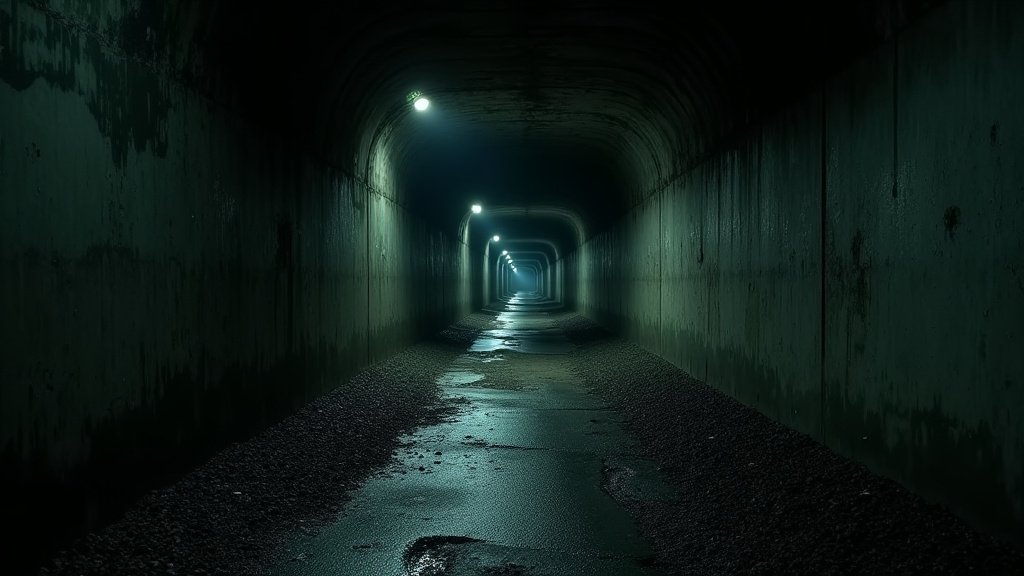
San Diego Sector Border Patrol agents apprehended 19 individuals who were discovered attempting to enter the United States through an underground border drainage system. The group, composed of various nationalities, was found within the aged infrastructure that runs beneath the international boundary.
Key Highlights:
- 19 individuals were found inside a border drainage system.
- Agents from the San Diego Sector were involved in the apprehension.
- The incident highlights ongoing challenges with border security infrastructure.
- The group consisted of individuals from multiple countries.
Smugglers Utilize Border Drainage System
In a recent operation, U.S. Customs and Border Protection (CBP) agents in San Diego intercepted a group of 19 undocumented immigrants attempting to circumvent border security by using a subterranean drainage culvert. The discovery was made by vigilant Border Patrol agents who were patrolling the area. This incident underscores the persistent and often dangerous methods employed by transnational criminal organizations and individuals seeking to enter the United States illicitly.
The Dangers of Subterranean Crossings
Utilizing drainage systems for clandestine passage is fraught with peril. These aging infrastructures are not designed for human passage and can pose significant risks, including flash floods, structural collapse, and hazardous environmental conditions. The individuals apprehended were found within this hazardous environment, highlighting their desperation and the risks they are willing to take.
Border Patrol’s Vigilance and Response
San Diego Sector Border Patrol agents are continuously working to detect and deter illegal border crossings. Their efforts involve not only patrolling the physical border but also monitoring and responding to activity within the extensive network of tunnels and drainage systems that exist along the border. The successful apprehension of this group is a testament to their dedication and operational effectiveness.
International Cooperation and Challenges
While the primary responsibility for border security lies with national agencies, the nature of these crossings often involves individuals from various countries. This necessitates ongoing international cooperation and information sharing to address the root causes of migration and to dismantle the smuggling networks that exploit these vulnerabilities. The use of drainage systems is a stark reminder of the complex and multi-faceted challenges faced in managing international borders.
FAQ: People Also Ask
What is a border drainage system?
A border drainage system refers to the network of culverts, tunnels, and channels designed to manage water runoff and prevent flooding in areas along international borders. These systems can sometimes be exploited by individuals attempting to cross borders illicitly due to their subterranean nature.
How do smugglers use these systems?
Smugglers facilitate illegal entry by guiding individuals through these underground systems, often at great personal risk to the migrants. They exploit the hidden routes to avoid detection by border patrol agents and surveillance technology.
What are the risks associated with using drainage systems for crossing?
The risks are substantial and include potential for flash floods, structural collapse of the tunnels, poor air quality, and encounters with hazardous materials or wildlife. The conditions within these systems are often unsanitary and dangerous.
What is the role of Border Patrol in such incidents?
Border Patrol agents are responsible for patrolling the border, detecting illegal entries, and apprehending individuals attempting to cross unlawfully. This includes monitoring and responding to activity within border infrastructure like drainage systems.
What happens to individuals apprehended in these systems?
Individuals apprehended are typically processed according to U.S. immigration laws, which may include detention, asylum claims processing, or repatriation to their country of origin, depending on their individual circumstances and nationalities.