

Port Aransas is gearing up for an anticipated surge in food truck businesses following the implementation of a new state law that significantly eases permit regulations. This legislative change is expected to lower the barrier to entry for aspiring culinary entrepreneurs, potentially diversifying the town’s dining landscape and boosting local tourism.
Key Highlights:
- A new Texas state law has streamlined the process for obtaining food truck permits.
- This deregulation is anticipated to attract more food vendors to Port Aransas.
- The influx of food trucks could enhance the variety of dining options for residents and tourists.
- Local officials are preparing for the potential increase in mobile food businesses.
Food Truck Boom: Navigating the New Regulatory Landscape
The recent passage of legislation by the Texas Legislature aims to simplify and standardize the permitting process for mobile food vendors across the state. Previously, businesses often faced a patchwork of local ordinances, varying fees, and lengthy approval times, which could deter new ventures. The new law, however, introduces a more uniform approach, focusing on health and safety standards while reducing bureaucratic hurdles. For a popular tourist destination like Port Aransas, known for its beaches and vibrant atmosphere, this shift is poised to unlock new economic opportunities. Local authorities are now tasked with adapting their local procedures to align with state mandates, ensuring a smooth transition for both new and existing food truck operators.
Economic Implications for Port Aransas
The economic impact of this new law on Port Aransas could be substantial. An increase in food trucks often correlates with increased foot traffic and longer stays for visitors, as they seek diverse and convenient dining experiences. This can benefit not only the food truck operators but also surrounding businesses, from retail shops to lodging establishments. Furthermore, it offers a more accessible entrepreneurial path for individuals looking to enter the food service industry, potentially creating new jobs and fostering local talent. The town’s economy, heavily reliant on tourism, stands to gain from this enhanced culinary offering, making Port Aransas an even more attractive destination.
Preparing for Increased Mobile Vending
Town officials in Port Aransas are proactively addressing the anticipated influx. This includes reviewing existing zoning and parking regulations to accommodate a larger number of food trucks, particularly in popular areas. The focus is on balancing the benefits of increased vendor presence with the need to maintain public access, manage waste, and ensure traffic flow. Discussions are underway regarding designated vending zones, operational hours, and hygiene standards that align with the new state-wide regulations. The goal is to create a welcoming environment for food truck businesses while preserving the quality of life and aesthetic appeal of the town.
What to Expect on the Menu
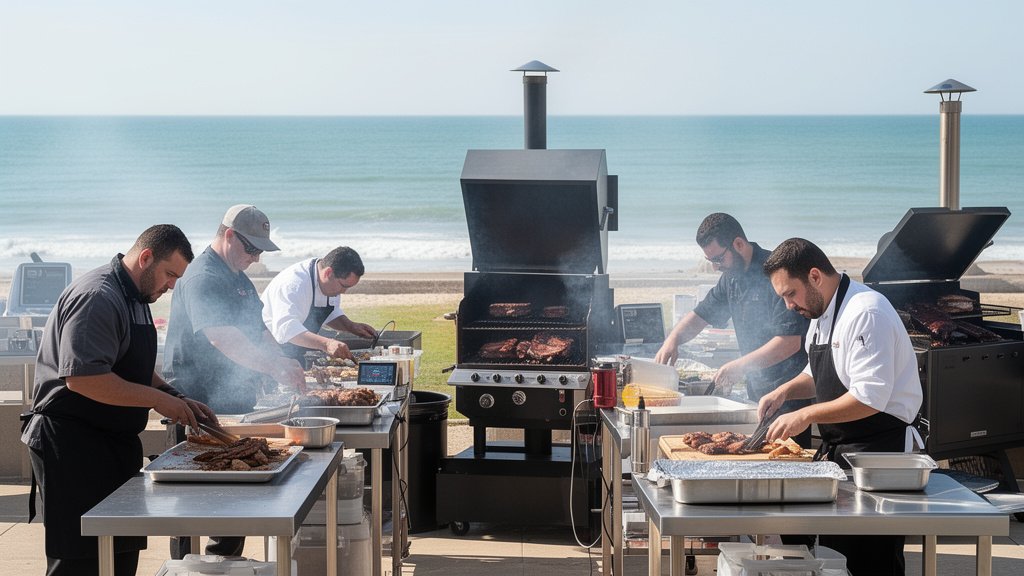
With fewer regulatory barriers, Port Aransas residents and visitors can look forward to a broader array of culinary choices. From gourmet tacos and international street food to specialty desserts and coffee, the new wave of food trucks is expected to bring diverse flavors to the coastal town. This culinary expansion will not only cater to a wider range of tastes but also contribute to the unique character and appeal of Port Aransas as a travel destination. The ease of setting up a mobile food business means that smaller, niche culinary concepts that might have struggled with traditional brick-and-mortar costs can now thrive.
FAQ: People Also Ask
What is the new state law affecting food trucks?
Texas has enacted a new law that aims to standardize and simplify the permitting process for mobile food vendors across the state, reducing the complexity and time associated with obtaining necessary licenses and approvals.
How will this impact Port Aransas?
The law is expected to encourage more food trucks to operate in Port Aransas, increasing the variety of dining options available to residents and tourists, and potentially boosting the local economy.
Are there any new requirements for food truck operators?
While the law eases many regulations, food truck operators will still need to comply with state and local health and safety standards, including those related to food preparation, sanitation, and waste disposal.
What are the economic benefits of more food trucks?
More food trucks can lead to increased tourism, job creation, and entrepreneurial opportunities. They can also contribute to a more vibrant and diverse local economy by offering a wider range of food choices.
How is Port Aransas preparing for these changes?
Local officials are reviewing and potentially adjusting zoning, parking, and operational regulations to accommodate an increased number of food trucks while maintaining public access and managing potential impacts on traffic and infrastructure.