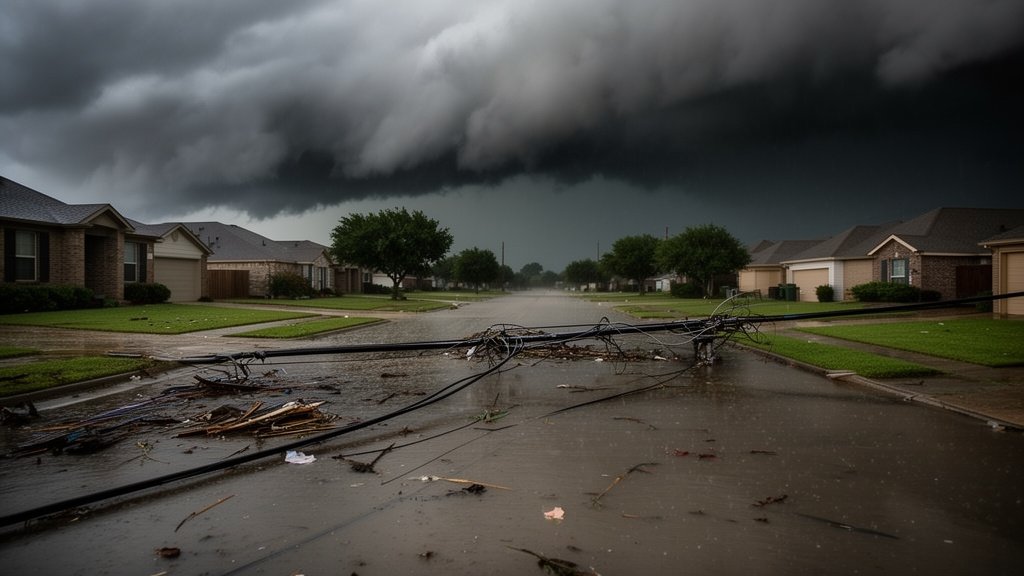


Texas emergency management officials have initiated a planned test of the statewide public warning systems this Thursday morning, prompting alerts to reach residents across various digital and broadcast channels. The exercise is part of a routine mandate to ensure that communication infrastructure remains resilient and capable of disseminating critical safety information to the public in the event of an actual emergency. While these tests are designed to be minimally intrusive, the state has advised citizens to remain aware that the alerts received today are purely for verification purposes and do not indicate an immediate threat.
- Scheduled state-wide testing of Emergency Alert Systems (EAS) and Wireless Emergency Alerts (WEA).
- Purpose is to verify operational readiness of communication infrastructure.
- Residents are advised to treat the alerts as drills.
- Normal operations are expected to resume immediately following the conclusion of the testing window.
Strengthening Emergency Communication Infrastructure Across Texas
The Importance of Routine System Readiness
The necessity of maintaining robust public warning systems cannot be overstated in a state as geographically diverse and prone to severe weather as Texas. Emergency management agencies rely on a complex network of cellular towers, broadcast radio stations, and television networks to deliver time-sensitive instructions during crises, ranging from flash floods and wildfires to severe convective storms. By conducting these rigorous system-wide tests, the state ensures that the handshake between government servers and consumer hardware—specifically mobile devices—functions without failure. This operational audit allows officials to identify potential bottlenecks or latency issues in the broadcast chain before they can affect real-world emergency responses.
Digital Integration and Public Awareness
In the modern era, the integration of Wireless Emergency Alerts (WEA) has transformed how agencies communicate with the populace. Unlike legacy systems that relied solely on local radio tuning, WEA technology uses geofencing to push notifications directly to smartphones within a defined area. This Thursday’s test serves as a critical stress test for these cellular broadcast capabilities. Officials have emphasized that the testing process is automated and coordinated through the Texas Division of Emergency Management, ensuring that there is no localized human error introduced during the propagation of the test signals. For residents who may find the sudden alert sound jarring, authorities recommend familiarizing themselves with the ‘Emergency Alert’ settings on their mobile devices, though they caution against disabling these features entirely, as they remain the primary vehicle for life-saving information.
Beyond the Notification: Institutional Preparedness
While the public sees the notification on their phone, the internal process behind these tests involves coordination between state agencies, federal partners like the FCC and FEMA, and local private-sector broadcast partners. The testing procedure requires that the entire cascade of command—from the issuance of the command to the final broadcast by local television and radio stations—operates within a predefined millisecond window. This level of synchronization is required by federal standards to ensure that no single point of failure can silence the warning network. By executing these tests during a weekday morning, agencies are able to observe the performance of the network under normal traffic conditions, which provides the most accurate data regarding the system’s throughput and reliability in a simulated high-demand scenario. As the test concludes, the data gathered will be used to calibrate further regional warning strategies, ensuring that the state remains ahead of potential technological shifts in mobile communications.
FAQ: People Also Ask
1. Q: Why did I receive a test alert on my phone today?
A: You received the alert because the Texas emergency management agencies are conducting a scheduled, routine test of the Wireless Emergency Alert (WEA) system to ensure all communication channels are fully operational.
2. Q: Do I need to take any action when I see these alerts?
A: No action is required. These are strictly tests designed to verify that the system works properly, and you can disregard the notification once you have received it.
3. Q: Can I opt out of these emergency alerts?
A: While users can adjust settings for certain types of alerts on their mobile devices, it is highly recommended to keep them enabled to ensure you receive life-saving information during actual emergencies, such as severe weather or public safety threats.