The U.S. Customs and Border Protection has awarded a substantial $1.7 billion federal contract for the construction of border wall infrastructure in the critical Big Bend region. This significant investment signals a continued federal commitment to border security and the deployment of enhanced physical barriers along the U.S.-Mexico border.
Key Highlights:
- A $1.7 billion federal contract has been issued for border wall construction.
- The project is specifically targeting the Big Bend region.
- U.S. Customs and Border Protection is the awarding agency.
- The contract signifies a major federal investment in border security infrastructure.
Securing the Frontier: The Big Bend Initiative
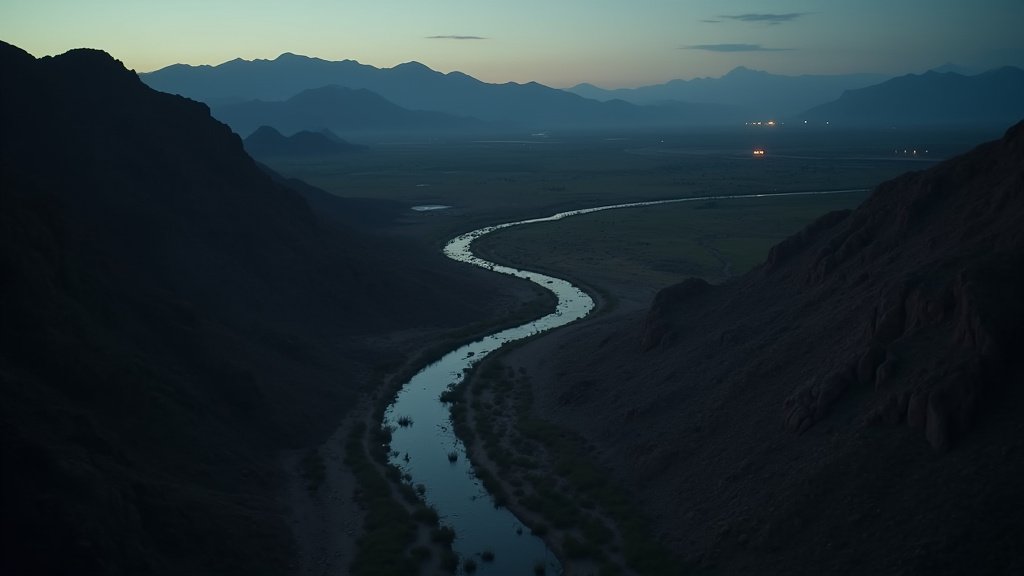
The Big Bend sector of the U.S.-Mexico border is one of the most challenging and geographically diverse areas, characterized by vast stretches of rugged terrain, including mountains, deserts, and the Rio Grande river. This complex landscape has historically presented unique obstacles to border security efforts. The awarding of this $1.7 billion contract by U.S. Customs and Border Protection (CBP) underscores the strategic importance of this region and the federal government’s decision to significantly bolster its physical and technological defenses.
Scope and Objectives of the Contract
While specific details of the construction plans remain under wraps, the magnitude of the contract suggests a comprehensive approach. It is anticipated to include not only traditional wall or fencing structures but also potentially advanced surveillance technology, access roads, and other necessary support infrastructure. The primary objective is to create a more formidable barrier to deter illegal crossings, smuggling of illicit goods, and human trafficking. The Big Bend region’s remote nature and extensive border mileage make it a particularly vulnerable area, and this investment is intended to address those vulnerabilities.
Economic and Local Impact
A contract of this size is expected to have a significant economic impact, both in terms of job creation and the stimulation of local economies within the vicinity of the construction zones. This could include employment opportunities for construction workers, engineers, security personnel, and support staff. Furthermore, companies involved in the supply chain for construction materials and technology stand to benefit. However, there are also environmental and community considerations that will need to be addressed, given the sensitive ecosystems and established communities in and around the Big Bend National Park and adjacent areas.
Technological Integration in Border Security
Modern border security is no longer solely about physical barriers. This contract is likely to incorporate advanced technological solutions. Expect to see the integration of sophisticated sensors, drone surveillance, high-resolution cameras, and data analytics platforms. These technologies aim to provide CBP agents with real-time intelligence, improve situational awareness, and enhance their ability to interdict illegal activities. The convergence of physical barriers and cutting-edge technology represents the future of border management.
Environmental and Land Use Considerations
The Big Bend region is renowned for its unique biodiversity and natural beauty, including a portion of the Chihuahuan Desert and significant portions of the Rio Grande. Any large-scale construction project in this area will necessitate rigorous environmental impact assessments. Concerns will likely focus on habitat disruption, water resource management, and the potential impact on protected species. Balancing the need for enhanced security with the imperative to preserve the delicate environment will be a critical challenge for the contractors and the agencies involved.
Historical Context of Border Infrastructure
This new contract builds upon decades of evolving U.S. border security strategies. Previous administrations have undertaken various initiatives to construct and reinforce border barriers, including significant fencing projects in other sectors. The focus on Big Bend highlights a shift or intensification of efforts in a region that has presented persistent challenges. The effectiveness and long-term implications of such large-scale infrastructure projects remain a subject of ongoing debate and analysis.
FAQ: People Also Ask
What is the primary focus of the new border contract in Big Bend?
The primary focus of the $1.7 billion federal contract awarded to U.S. Customs and Border Protection is the construction of enhanced border wall infrastructure and associated security measures within the Big Bend region of the U.S.-Mexico border.
What are the main challenges of securing the Big Bend border region?
The Big Bend region presents significant challenges due to its vast, rugged, and remote terrain, including mountains, deserts, and the Rio Grande river, making traditional surveillance and interdiction difficult and necessitating specialized security approaches.
Besides physical barriers, what other security measures are expected?
It is anticipated that the contract will involve the integration of advanced technological solutions such as sophisticated sensors, drone surveillance, high-resolution cameras, and data analytics platforms to complement physical barriers.
What are the potential economic impacts of this contract?
The contract is expected to create numerous jobs in construction, engineering, and security, and stimulate local economies. It will also benefit companies involved in the supply chain for materials and technology.
Are there environmental concerns associated with this project?
Yes, given the Big Bend region’s unique biodiversity and natural beauty, environmental impact assessments will be crucial to address concerns regarding habitat disruption, water resources, and protected species.