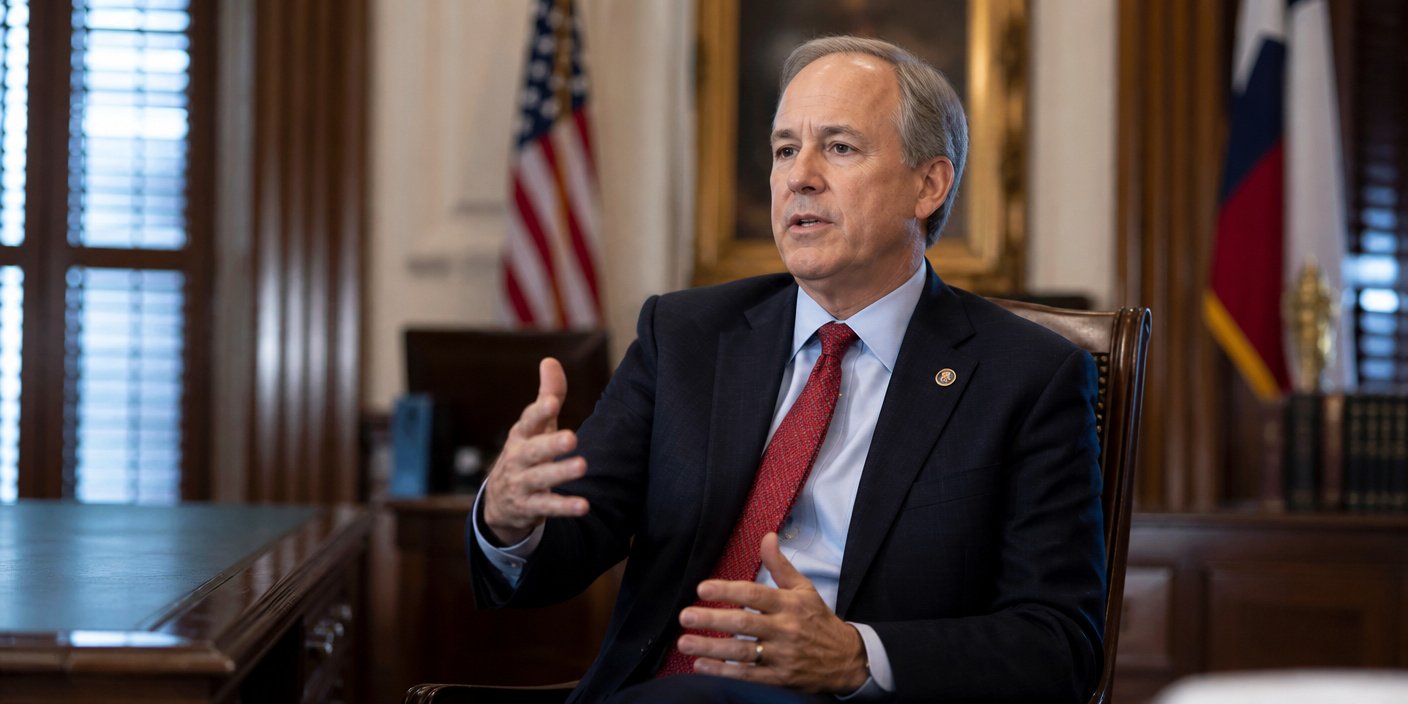


Texas Attorney General Ken Paxton has ignited a fresh controversy by vowing to take action against physicians he labels as “woke doctors,” a move that comes as Texans grapple with rising healthcare costs and concerns over access to care. This dual focus highlights a growing tension between political ideology and the practical needs of patients seeking affordable and effective medical treatment.
Key Highlights:
- Texas Attorney General Ken Paxton announced intentions to target “woke doctors.”
- The announcement occurs against a backdrop of Texans expressing anxiety over escalating healthcare expenses.
- Critics argue Paxton’s focus on ideology distracts from genuine healthcare access and affordability issues.
- The “woke” label is often used by conservative figures to criticize progressive social and political stances.
Paxton’s ‘Woke Doctor’ Crusade: A Political Distraction?
Texas Attorney General Ken Paxton’s recent pronouncements regarding “woke doctors” have drawn sharp criticism, with opponents arguing that such rhetoric serves as a political maneuver to distract from more pressing healthcare concerns. While Paxton frames his initiative as a defense against perceived ideological overreach in medical practice, many Texans are more preoccupied with the tangible challenges of affording medical care, prescription drugs, and insurance.
The Politics of ‘Woke’
The term “woke” has become a prominent, often pejorative, descriptor in conservative political discourse, typically aimed at individuals or institutions perceived as adhering to progressive social justice ideologies. In the context of healthcare, Paxton’s broad condemnation suggests a critique of medical professionals who may incorporate discussions of social determinants of health, advocate for diversity and inclusion within medical settings, or express views that diverge from traditional conservative viewpoints. This framing positions medical practice through a political lens, potentially complicating the doctor-patient relationship and medical ethics.
Healthcare Affordability Crisis in Texas
Simultaneously, Texas faces significant challenges in healthcare affordability. A substantial portion of the state’s population experiences underinsurance or lacks health insurance altogether. Rising premiums, deductibles, and out-of-pocket costs for services and medications place a considerable burden on families. This economic pressure is a primary concern for many Texans, who are seeking solutions that directly address the financial barriers to receiving necessary medical attention. The state’s approach to healthcare policy is often scrutinized for its impact on these cost-related issues, with debates frequently centering on the balance between market-driven solutions and governmental intervention.
Impact on Medical Practice and Patient Access
Paxton’s stated intent to investigate or penalize doctors based on their perceived ideology raises serious questions about the potential chilling effect on medical professionals and patient care. Doctors may feel pressured to avoid discussing sensitive topics or engaging in practices that could be misconstrued as “woke,” even if they are medically relevant or ethically sound. This could inadvertently limit the scope of care, particularly for marginalized communities or patients whose health is affected by social factors. The focus on ideological purity risks undermining the principles of patient-centered care and the physician’s duty to provide comprehensive treatment without political bias.
FAQ: People Also Ask
What does Ken Paxton mean by “woke doctors”?
While Ken Paxton has not provided a precise definition, the term “woke” in conservative circles is generally used to criticize individuals or institutions perceived as excessively progressive or focused on social justice issues. In this context, it likely refers to doctors whose practices, teachings, or public statements are seen by Paxton as reflecting progressive ideologies rather than a solely medical focus.
How does this relate to healthcare costs in Texas?
Paxton’s comments are occurring at a time when Texans are experiencing significant concerns about the affordability of healthcare. Critics argue that his focus on “woke doctors” is a distraction from the pressing issues of high insurance premiums, medical debt, and access to care. They believe that political rhetoric should not overshadow the urgent need for solutions to make healthcare more accessible and affordable for all Texans.
Could this affect the quality of medical care in Texas?
There are concerns that Attorney General Paxton’s actions could create a chilling effect on medical professionals. If doctors fear repercussions for their perceived political leanings, they might hesitate to address complex patient needs, including those influenced by social factors, or to engage in advocacy for improved healthcare. This could potentially lead to a narrowing of care or a reluctance to discuss topics that extend beyond purely clinical matters, thus impacting the comprehensive quality of care.
What are the main healthcare challenges facing Texans?
Texans face several significant healthcare challenges, including high rates of uninsurance and underinsurance, rising costs of insurance premiums and medical services, limited access to healthcare providers in rural areas, and a high burden of chronic diseases. Affordability remains a primary concern, with many residents struggling to pay for necessary medical treatment and prescription drugs.
What is the role of the Attorney General in healthcare regulation?
In Texas, the Attorney General’s office, led by Ken Paxton, has a role in enforcing consumer protection laws, including those related to healthcare fraud and deceptive practices. They can also take action against entities or individuals for violations of state and federal laws. However, targeting medical professionals based on ideological grounds rather than specific malpractice or legal violations is a contentious and unusual approach.