
Pulitzer Prize-winning author and journalist Lawrence Wright has shared a harrowing account of his personal experience surviving the devastating Central Texas floods, offering a stark reminder of nature’s destructive power and the resilience of the human spirit. His narrative, featured in a recent Texas Standard broadcast, details the terror and the aftermath of the torrential rains that submerged communities, displacing residents and leaving a trail of destruction.
Key Highlights:
- Lawrence Wright, a Pulitzer Prize winner, detailed his survival of the Central Texas floods.
- The account highlights the destructive power of extreme weather events in Texas.
- Wright’s story underscores themes of resilience and community response to disaster.
- The narrative serves as a potent reminder of the ongoing threats posed by climate change.
A Brush with the Deluge: Survival and Reflection
The recent broadcast on Texas Standard allowed Lawrence Wright, a celebrated author known for his deep dives into complex subjects from Scientology to terrorism, to turn his sharp observational skills towards a deeply personal ordeal. The floods that swept through Central Texas, particularly impacting areas around Austin, were not just a news story for Wright, but a lived experience that tested his own fortitude. He recounted the rising waters, the encroaching danger, and the unsettling feeling of helplessness as nature unleashed its fury. This personal testimony lends a profound emotional weight to his reporting, moving beyond mere factual accounts to convey the visceral impact of such catastrophic events. Wright’s ability to articulate the fear, the chaos, and the eventual, fragile emergence from the disaster zone offers a unique perspective, blending literary craft with raw, human experience.
The Immediate Impact and Personal Ordeal
Wright described the disorienting speed at which the floodwaters rose, transforming familiar landscapes into treacherous waterways. He detailed the moments of critical decision-making, the evacuation efforts, and the sheer luck that played a role in his safe passage through the ordeal. The narrative focused not only on the physical danger but also on the psychological toll – the anxiety of loss, the uncertainty of what lay ahead, and the profound sense of vulnerability that such events instill. His story is a powerful testament to the unpredictable nature of extreme weather, which can strike with little warning, overwhelming even well-prepared communities.
Beyond the Personal: Broader Implications of Texas Floods
While Wright’s personal survival story is central, his reflection extends to the broader implications for Texas and beyond. The increasing frequency and intensity of extreme weather events, often linked to climate change, present a growing challenge. Wright’s recounting serves as a stark warning, emphasizing the need for improved infrastructure, better disaster preparedness, and a serious consideration of environmental policies. The floods in Central Texas are not isolated incidents but part of a larger global pattern. His journalistic instincts prompt him to contextualize his experience within this wider framework, urging listeners and readers to consider the systemic issues at play, from urban development that exacerbates runoff to the long-term effects of a changing climate.
Community Resilience and the Road to Recovery
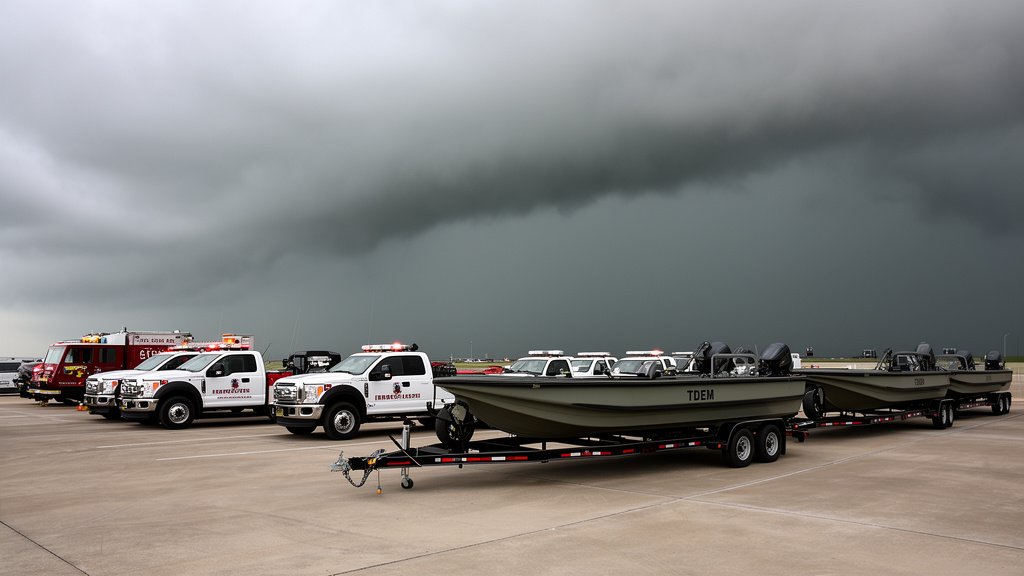
A recurring theme in Wright’s account is the remarkable resilience of the human spirit and the crucial role of community support in the aftermath of disaster. He spoke of neighbors helping neighbors, the swift mobilization of first responders, and the outpouring of aid from individuals and organizations. The process of recovery, he noted, is long and arduous, requiring sustained effort and resources. Yet, it is in these moments of collective action and mutual aid that the strength of a community is most vividly demonstrated. Wright’s narrative offers a glimmer of hope amidst the devastation, highlighting the capacity for people to come together in times of crisis.
FAQ: People Also Ask
What is Lawrence Wright known for?
Lawrence Wright is a Pulitzer Prize-winning author and journalist, best known for his in-depth investigative works on topics such as Scientology (‘Going Clear: Scientology, the Prison of Belief’) and the intricate history of the September 11th attacks (‘The Looming Tower: Al-Qaeda and the Road to 9/11’).
How frequently do major floods occur in Central Texas?
Central Texas experiences significant flood events with some regularity, particularly during the spring and fall rainy seasons. However, the intensity and scale of events like the one Wright survived can vary greatly year to year, with climate change potentially increasing the risk of more extreme rainfall.
What is the typical response to major flooding in Texas?
Response typically involves local and state emergency management agencies, first responders (fire, police, EMS), the National Guard if necessary, and non-profit organizations like the Red Cross. Evacuations, rescue operations, and the provision of temporary shelter and aid are standard components of disaster response.
How does climate change relate to Texas floods?
Climate change is linked to an increase in the intensity of rainfall events, meaning that when storms do occur, they can dump more water in shorter periods, overwhelming drainage systems and leading to more severe flooding. Warmer air holds more moisture, contributing to heavier downpours.
What are the long-term effects of major floods on affected communities?
Long-term effects can include significant economic losses due to property damage and business disruption, displacement of residents, mental health challenges for survivors, and the need for substantial investment in infrastructure repair and future mitigation strategies.