
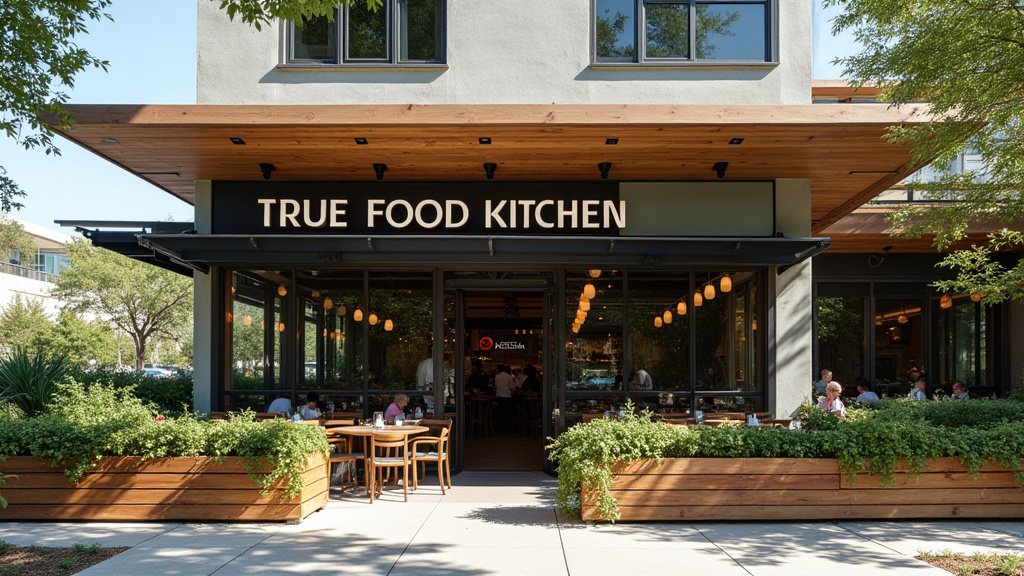
True Food Kitchen, the widely recognized health-conscious dining brand, has officially filed for Chapter 11 bankruptcy protection in the Southern District of Texas. This move marks a pivotal moment for the restaurant chain, which has faced significant headwinds regarding profitability in the post-pandemic economic landscape. As part of a comprehensive restructuring plan, the company has confirmed the closure of 12 underperforming locations, a decision aimed at rightsizing its operational footprint to improve long-term financial health and attract a new buyer.
Key Highlights
- True Food Kitchen has initiated formal Chapter 11 bankruptcy proceedings within the Southern District of Texas.
- The restructuring plan includes the immediate closure of 12 dining locations across its national portfolio.
- The company is actively seeking a buyer to facilitate a successful turnaround and maintain operations.
- Persistent profitability challenges, stemming from the economic shifts of the pandemic era, served as the catalyst for this legal pivot.
Navigating the Shift: The Financial Reality of True Food Kitchen
The decision by True Food Kitchen to file for Chapter 11 bankruptcy is not a surrender, but a surgical maneuver designed to salvage the brand’s core identity while shedding legacy weight. For a brand that built its reputation on an anti-inflammatory diet philosophy and premium ingredients, the economic turbulence of the last few years—marked by soaring labor costs, volatile supply chain pricing, and shifting consumer behavior—has created a “perfect storm” for fast-casual and fine-casual hybrids.
The Mechanics of the Bankruptcy Filing
By filing in the Southern District of Texas, True Food Kitchen is utilizing the Chapter 11 bankruptcy code as a mechanism for reorganization. This legal framework allows the company to continue day-to-day operations while simultaneously renegotiating burdensome lease agreements and restructuring debt. The primary objective is to make the organization more attractive to potential investors or private equity firms. Often, creditors prefer this structured approach over liquidation, as it provides a clearer path to recovering assets by keeping the business functioning as a “going concern.”
Downsizing the Footprint: The Impact of 12 Closures
The closure of 12 locations is a direct response to the brand’s need to optimize its geographic presence. These closures likely target markets where the lease obligations or local demand no longer align with the company’s financial model. For the brand’s loyal customer base, this indicates a strategic retreat from less profitable territories to solidify the core strongholds where the brand has the highest penetration. This consolidation phase is critical for demonstrating to prospective buyers that the company is capable of returning to positive cash flow.
The Secondary Angles: What This Means for the Industry
To understand the gravity of this situation, one must look beyond the balance sheet of a single entity. The bankruptcy of a player like True Food Kitchen highlights three critical shifts in the modern restaurant industry.
1. The Death of the ‘Mid-Tier’ Flexibility
The industry is currently bifurcating into two distinct tiers: ultra-convenient fast food and luxury dining. True Food Kitchen, which occupies a middle ground that requires premium labor and expensive, fresh ingredients, is feeling the pinch of consumers who are becoming increasingly value-conscious. This filing serves as a warning shot for other “better-for-you” brands that face high overhead costs.
2. The Bankruptcy Tool as a Strategic Pivot
Historically, bankruptcy carried a heavy stigma. Today, it is increasingly viewed as a standard financial tool. In the current economic climate, we are seeing more legacy brands using the bankruptcy court to force landlords to the table, allowing them to exit “zombie” leases that were signed before the pandemic. This is likely a major component of TFK’s strategy.
3. Investor Appetite for Distressed Assets
Despite the bankruptcy, True Food Kitchen remains a strong brand asset. The company’s focus on health, wellness, and sustainability is a massive draw for specific consumer demographics. Because of this, it is highly probable that the company will find a buyer. The goal for the management team is to make the company look like a “turnkey” solution for a larger hospitality group looking to diversify their portfolio into the health-conscious dining space.
FAQ: People Also Ask
Will my local True Food Kitchen close?
While 12 locations are being shuttered as part of the bankruptcy filing, most locations are expected to continue operating normally. Customers should check the official company website or social media channels for the most recent list of affected sites.
What does Chapter 11 mean for employees?
Chapter 11 is a reorganization process, not a liquidation. The company intends to stay in business and continue serving customers, which means staff employment remains largely unaffected, though the 12 closed locations will involve staff reductions.
Is the brand shutting down entirely?
No. True Food Kitchen is seeking a buyer and restructuring its debt. The filing is a legal process intended to save the company and allow it to continue operations under new ownership or a restructured financial plan.
Can I still use gift cards?
Generally, during a Chapter 11 filing, businesses continue to accept gift cards and honor loyalty programs as they attempt to maintain customer goodwill. However, you should confirm this status with your local restaurant manager.