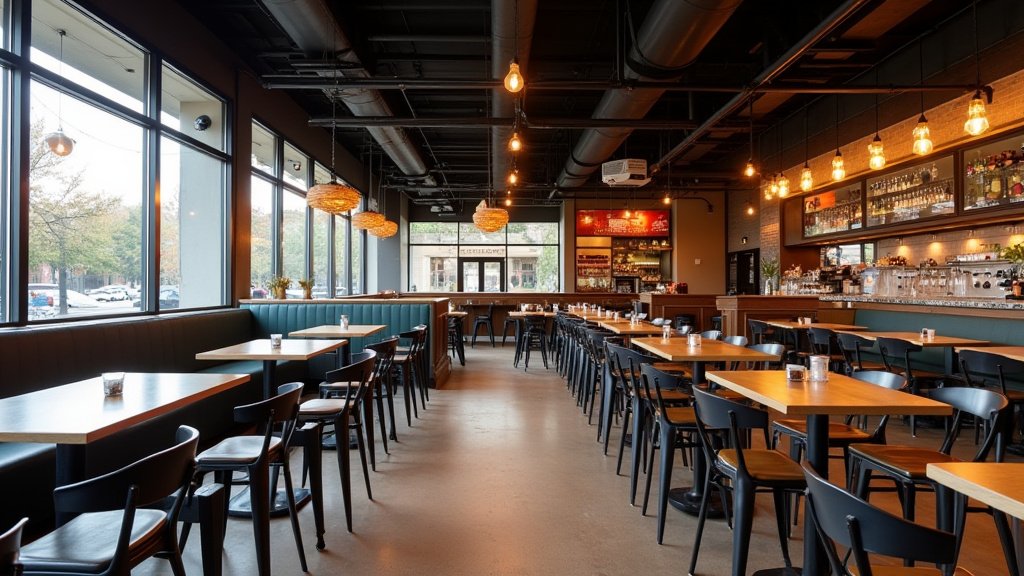
As the oppressive North Texas heat relents, the Dallas dining scene is undergoing a distinct transformation, defined by both the resurrection of beloved legacy brands and the inevitable pivot toward seasonal autumn offerings. This dual-track evolution is currently defining the market, with operators balancing the high-stakes risk of reviving a known quantity like the Tin Star chain against the operational necessity of refreshing menus to capture the local appetite for cooler-weather ingredients.
The Return of a Tex-Mex Icon: Tin Star in McKinney
The most significant headline in North Texas hospitality is undoubtedly the reboot of the Tin Star brand. For years, Tin Star occupied a unique niche in the DFW market, blending fast-casual efficiency with a menu that felt elevated above standard quick-service Tex-Mex. The return to the market, specifically focused on a new location in McKinney, signals a calculated bet on nostalgia.
This is not merely a rebranding exercise; it is a full-scale operational revival. The new McKinney outpost is integrating modern, high-efficiency renovations that reflect current architectural trends in dining—focusing on open-air flow and warm, industrial-modern aesthetics—while strictly adhering to the original signature recipes that established the brand’s cult following. Business analysts watching the sector view this as a test case for whether established, ‘legacy’ fast-casual concepts can successfully navigate the current, more crowded competitive landscape that now includes an array of artisanal taco concepts and hyper-local chains. By leaning into the original flavor profiles while upgrading the physical environment, the operators are attempting to bridge the gap between long-term fan loyalty and the modern consumer’s demand for refined atmosphere.
The Seasonal Pivot: From Summer Light to Autumn Depth
Beyond the headlines surrounding individual chain openings, a more subtle but equally vital shift is occurring across the Dallas restaurant sector: the seasonal menu transition. For Dallas chefs, the shift from summer to fall is technically demanding. The region’s prolonged hot weather often extends the ‘summer’ menu period further into the calendar than in coastal cities, but the transition in October and November is drastic.
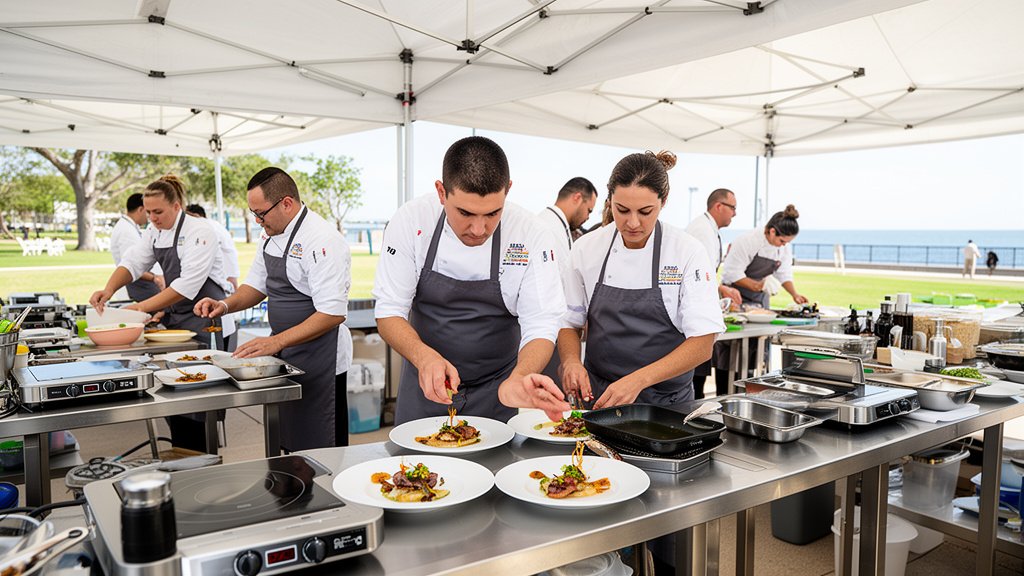
Restaurants across the city, from Uptown to the Design District, are aggressively retiring summer staples like gazpachos, watermelon salads, and light citrus-forward ceviches. In their place, chefs are pivoting toward what industry professionals call ‘the comfort transition.’ This involves a heavy rotation of root vegetables, braised proteins, and spices that evoke warmth. We are seeing a marked increase in the utilization of squashes, wild mushrooms, and heartier meats like venison and short rib in new tasting menus. This shift is not just aesthetic; it is a critical revenue driver. Seasonal menus allow restaurants to leverage produce at its peak ripeness, creating a sense of urgency and exclusivity that encourages repeat visitation from diners who want to experience the ‘now’ before the season inevitably turns again.
The Economic Landscape of Dallas Hospitality
To understand why this is happening now, one must look at the broader economic context. The Dallas restaurant market is currently experiencing a period of intense competition for the ‘premium-casual’ dollar. With rising food costs and staffing pressures, restaurant groups are looking for ways to maximize efficiency. Rebooting a known brand like Tin Star offers a built-in marketing advantage—the cost of customer acquisition is lower when the brand already has a historical footprint.
Simultaneously, the focus on seasonal menus acts as a tool for inventory management and value perception. By highlighting seasonal tasting menus, restaurants can command higher price points for dishes that use locally sourced, high-quality, but often seasonally abundant ingredients. It is a sophisticated strategy that marries the desire for luxury dining with the practical realities of a tightening economic environment.
Future Outlook: What to Watch
Looking ahead to the remainder of the year, the success of the Tin Star McKinney launch will likely dictate whether other dormant DFW brands from the early 2000s receive similar investment capital. If the McKinney location proves that nostalgia can be commoditized effectively in the current market, expect a wave of ‘legacy brand’ revivals in 2025. Furthermore, as winter approaches, look for Dallas dining to lean even further into heavy, celebratory flavors, with a focus on immersive dinner experiences that offer a respite from the changing weather.
FAQ: People Also Ask
Q: What is the significance of the Tin Star reboot?
A: Tin Star was a notable player in the North Texas Tex-Mex scene. Its reboot in McKinney is significant because it combines the brand’s established, nostalgic menu items with a modern, updated restaurant design, testing whether historical brand loyalty can compete in today’s saturated Dallas dining market.
Q: Why do Dallas restaurants change menus so drastically in the fall?
A: While Dallas has a warmer climate than the Northeast, the local culinary culture still follows seasonal produce trends. Restaurants transition from light, refreshing summer ingredients to heartier, braised, and earthy flavors to satisfy the consumer desire for comfort food and to leverage seasonal produce for better-tasting, premium-priced dishes.
Q: Is the McKinney location a one-off for Tin Star?
A: While the current focus is on the McKinney reboot, industry observers are treating this as a test case. If the model succeeds in maintaining its ‘signature’ quality while operating under a modern, efficient infrastructure, it could potentially lead to further expansion or regional scaling of the brand.