
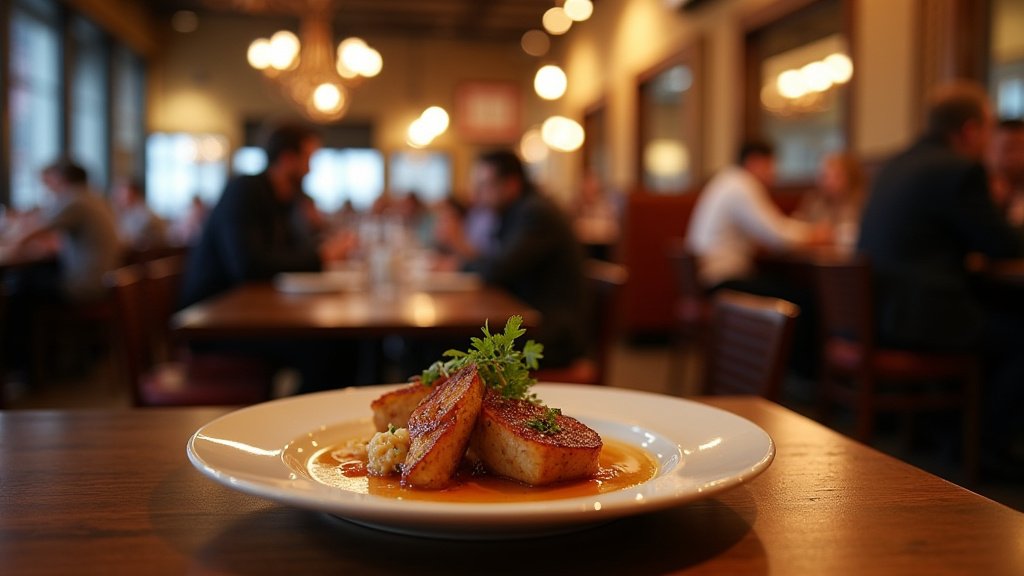
As the vibrant energy of North Texas Restaurant Week descends upon the region, thousands of diners are eager to explore local culinary hotspots through curated, prix-fixe menus. However, behind the carefully plated dishes and bustling dining rooms, a different narrative is unfolding. According to the Texas Restaurant Association (TRA), the hospitality industry is currently navigating a period of unprecedented economic strain, where the cost of doing business is testing the limits of even the most established eateries.
While the event celebrates the culinary diversity of the region, it serves as a critical backdrop for a wider conversation about the viability of local, independent businesses. Industry leaders are using this high-visibility week to signal an urgent message: the current business model for North Texas restaurants is facing a “perfect storm” of rising operational expenses that threaten the survival of local staples.
Key Highlights
- Profitability Warning: Only 60% of restaurants reported being profitable in the last fiscal year, underscoring the fragility of the local hospitality sector.
- Labor Market Squeeze: Restaurants are grappling with double-digit percentage increases in labor costs compared to previous years.
- Operational Headwinds: A combination of stubborn food inflation and escalating credit card processing fees is compressing already razor-thin margins.
- The Call to Action: Industry advocates emphasize that public support during events like Restaurant Week is not just a luxury; it is a vital lifeline for small business survival.
The Hidden Math Behind Your Prix-Fixe Meal
The economic architecture of a restaurant is complex, but current data paints a clear picture of an industry under pressure. While the consumer sees a dining experience, the restaurateur sees a delicate balance sheet that has been fundamentally altered by macro-economic forces. The Texas Restaurant Association has been vocal about the cumulative effect of these challenges, noting that the restaurant industry remains a pillar of the North Texas economy, yet it is one that currently operates on increasingly thin ice.
The Double-Digit Labor Squeeze
One of the most significant line items for any restaurant is labor. In North Texas, the competition for skilled culinary and front-of-house staff has intensified, driving wages upward. The TRA reports that labor costs have surged by double-digit percentages, a trend that is unlikely to reverse in the near term. For a business model that traditionally relies on tight control over labor-to-sales ratios, these sudden spikes are difficult to absorb without passing costs on to the consumer or sacrificing service quality.
This labor pressure is compounded by the lingering effects of the post-pandemic hiring landscape, where the industry had to pivot rapidly to retain talent. Now, facing standard inflationary pressures, those elevated wage levels have become the new floor, creating a permanent increase in operational overhead.
The Erosion of Margins: Food and Fees
Beyond labor, the cost of goods sold (COGS) remains volatile. While headline inflation has shown signs of cooling in some sectors, the specific inputs for restaurants—produce, proteins, and pantry staples—remain high. Restaurants operate with limited ability to hedge against these costs, meaning fluctuations in the commodities market translate directly to the invoice.
Perhaps less visible to the average diner, but equally damaging to the bottom line, are credit card processing fees. As cashless transactions have become the dominant form of payment, restaurants are effectively paying a “hidden tax” on every dollar of revenue. For a business operating with a margin of only a few percentage points, the cumulative impact of these swipe fees—often ranging from 2% to 4% per transaction—can be the difference between a profitable month and a loss.
Why the 60% Profitability Statistic Matters
The most sobering figure emerging from current industry reports is that only 60% of restaurants were profitable last year. This means nearly half of the establishments in the market are operating at break-even or at a loss. This 60% statistic is not merely a data point; it is a warning light for the local economy. Restaurants are not just venues for food; they are engines for local tax revenue, sources of employment, and curators of community culture.
When independent restaurants shutter, the social fabric of a neighborhood changes. The disappearance of a local eatery often results in a “food desert” effect or, more commonly, the replacement of unique, local establishments with homogenized national chains that lack the economic multiplier effect of locally owned businesses. The community-wide impact of these closures extends beyond the dining industry, affecting real estate, tourism, and local employment rates.
Future Predictions and Consumer Impact
As we look toward the remainder of the year, the industry is bracing for a shift in consumer behavior. With household budgets also tightening due to general inflation, the “luxury” of dining out is frequently the first expense consumers trim. The challenge for North Texas restaurants will be maintaining quality and authenticity while navigating an environment where patrons are increasingly price-sensitive.
We anticipate a consolidation phase in the market. Strong, well-capitalized groups may expand, but smaller, independent operators—the very heart of North Texas’s culinary scene—will need increased support. Community engagement, such as participating in Restaurant Week, is more than an opportunity for a discounted meal; it is an essential act of local commerce that ensures these venues remain viable through the current economic cycle.
FAQ: People Also Ask
Q: Why are restaurant prices higher even if inflation is cooling?
A: While general inflation rates may be stabilizing, the specific costs for restaurants—including labor, specialized ingredients, and supply chain logistics—remain at historically high levels. These costs are “sticky” and do not drop immediately, keeping menu prices elevated.
Q: What are the biggest costs facing a typical North Texas restaurant right now?
A: The primary cost drivers are labor (wages and benefits), ingredient inflation (COGS), and the escalating fees associated with digital and credit card payments. These three factors combine to significantly compress net profit margins.
Q: Is North Texas Restaurant Week only about discounts?
A: No, it is primarily an economic development tool. While diners receive value through prix-fixe menus, the true purpose is to drive high volume into restaurants during historically slower periods, providing owners with essential cash flow to offset rising operational expenses.
Q: What can local diners do to help struggling restaurants?
A: Beyond attending local dining events, the most effective support is consistent patronage, opting for direct ordering rather than third-party delivery apps (which take a high percentage commission), and understanding the economic realities that necessitate current menu pricing.