

CORPUS CHRISTI, TX – A severe and historic Corpus Christi Water Crisis is threatening this pivotal hub for the U.S. refining and petrochemical industries, with potential industrial shutdowns and a Level 1 water emergency looming. Officials warn that demand could surpass supply within 180 days, triggering mandatory curtailments that could halt operations at key industrial facilities in this top trending news area of Texas, intensifying the Corpus Christi Water Crisis.
The Escalating Corpus Christi Water Crisis
Corpus Christi has been under significant drought restrictions since December of last year, impacting residents’ daily water use with bans on activities such as lawn watering and car washing. Despite these measures, large industrial consumers, predominantly petrochemical plants and refineries, have largely been exempt from such limitations, continuing to draw heavily on the region’s dwindling water resources. This disparity has generated concern among residents regarding the equitable distribution of water during this Corpus Christi Water Crisis.
The combined water levels of Lake Corpus Christi and Choke Canyon Reservoir, the city’s primary water sources, have fallen drastically. As of October 26, 2025, these vital reservoirs are only at approximately 13.3% capacity, a stark decline from earlier levels. Projections indicate a dire scenario where both reservoirs could be completely dry by April 2027, leaving the city unable to meet its total water demands. A Level 1 water emergency is defined as a situation where projected demand will exceed supply within 180 days, signaling a critical juncture for the region facing a severe Corpus Christi Water Crisis. This crisis is amplified by a persistent seven-year drought and exacerbated by record-breaking heat, patterns increasingly linked to climate change, which elevate the likelihood of such severe dry spells contributing to the Corpus Christi Water Crisis.
A Critical Energy Sector at Risk Amidst the Corpus Christi Water Crisis
The Corpus Christi region is indispensable to the U.S. energy sector, processing over 900,000 barrels of crude oil daily, and is part of the broader Gulf Coast refining capacity of roughly 10 million barrels per day. Major industrial players, including Flint Hills Resources with its multiple refineries and joint ventures like ExxonMobil and Saudi Basic Industries Corp. (SABIC) operating a significant plastics plant, rely heavily on water. In September alone, these major industrial users consumed over 1.1 billion gallons of water, underscoring their substantial demand and the threat posed by the Corpus Christi Water Crisis. The prospect of water curtailments poses a direct threat to these operations, with potential for partial or complete shutdowns due to the Corpus Christi Water Crisis.
“Industry simply cannot compete long-term without reliable water resources,” stated Kara Rivas, a spokesperson for Flint Hills Resources. The oil and gas industry is a significant economic driver for Texas, contributing 38% to the state’s GDP and generating substantial tax revenue. Within Corpus Christi, this sector directly supports an estimated 12,000 jobs, many of which are high-paying, all jeopardized by the current Corpus Christi Water Crisis.
Historical Context and Contributing Factors to the Corpus Christi Water Crisis
While drought is a recurring feature of South Texas’s climate, the current situation is intensified by a confluence of factors contributing to the Corpus Christi Water Crisis. A prolonged dry spell, now in its seventh year, has severely depleted reservoirs, while simultaneous rapid industrial expansion, driven by the oil and gas boom and the growth of petrochemical facilities, has dramatically increased water demand, exacerbating the Corpus Christi Water Crisis. Projections indicated substantial increases in water demand beginning around 2022.
The Nueces River Basin, a principal water source for Corpus Christi, is overseen by the Nueces River Authority (NRA). The NRA possesses broad authority for water resource management, funded primarily through contracted services rather than state appropriations. Historically, water rights have often favored entities with greater financial capacity, creating a system where short-term economic gains can sometimes take precedence over long-term water sustainability, a key issue in the Corpus Christi Water Crisis. Concerns about the petrochemical industry’s industrial water use, including proposals for desalination plants that carry their own environmental risks like brine discharge, have been voiced for years, especially in light of the ongoing Corpus Christi Water Crisis.
Responses from Industry and Government to the Corpus Christi Water Crisis
Industry leaders have voiced significant apprehension regarding the potential water shortages. Todd Staples, president of the Texas Oil and Gas Association, cautioned that water restrictions could lead to “extreme consequences for operations at these facilities” and have widespread effects, especially concerning the Corpus Christi Water Crisis. Railroad Commissioner Jim Wright echoed these concerns, highlighting the risk to exports and jobs from the unfolding Corpus Christi Water Crisis.
City officials are actively pursuing solutions. Corpus Christi City Manager Peter Zanoni has been involved in initiatives addressing water infrastructure, including the proposed Inner Harbor desalination plant. However, this project faced considerable challenges, including escalating costs from an initial $160 million in 2019 to a staggering $1.2 billion, and significant political controversy, leading to its cancellation in September 2025, a setback for mitigating the Corpus Christi Water Crisis. The cancellation of this major project leaves a void in the city’s long-term water supply strategy to combat the Corpus Christi Water Crisis.
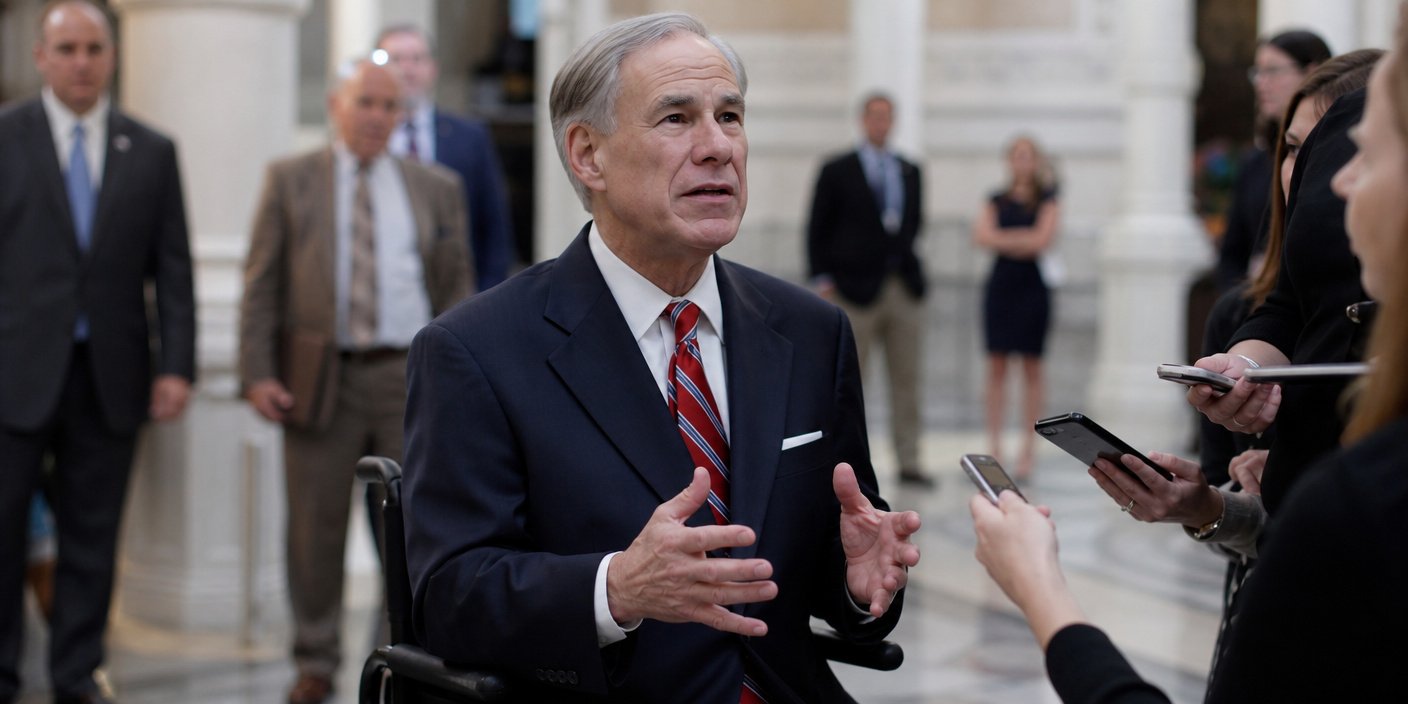
In response to the immediate crisis, Corpus Christi is focusing on alternative water sources, such as drilling new groundwater wells into the Evangeline Aquifer and exploring the use of treated wastewater (effluent). Governor Greg Abbott has prioritized water infrastructure funding as an emergency legislative item, pledging substantial state investment, including $1 billion annually for ten years, aimed at securing Texas’s water future and addressing the root causes of the Corpus Christi Water Crisis.
Future Outlook and Mitigation Strategies for the Corpus Christi Water Crisis
The current crisis in Corpus Christi highlights the urgent need for robust water management strategies across Texas. Current projections indicate that by 2050, the state could face a water deficit of up to 5.74 million acre-feet per year under drought conditions Texas. The sustained growth and future investment in the petrochemical sector are increasingly seen as dependent on the availability of reliable water supplies, a crucial factor in overcoming the Corpus Christi Water Crisis.
Experts advocate for a multi-faceted approach, encompassing enhanced water conservation, increased water reuse, and the development of diverse water sources. This includes exploring brackish groundwater desalination and offshore desalination options with carefully managed intakes and discharge points in the Gulf of Mexico. The long-term economic health of Corpus Christi as a vital energy hub is intrinsically linked to its capacity to establish and maintain a secure and sustainable water supply capable of supporting both its residents and its critical industrial base, especially in the face of the current Corpus Christi Water Crisis. This news story is a developing situation with significant implications for the ongoing Corpus Christi Water Crisis.