

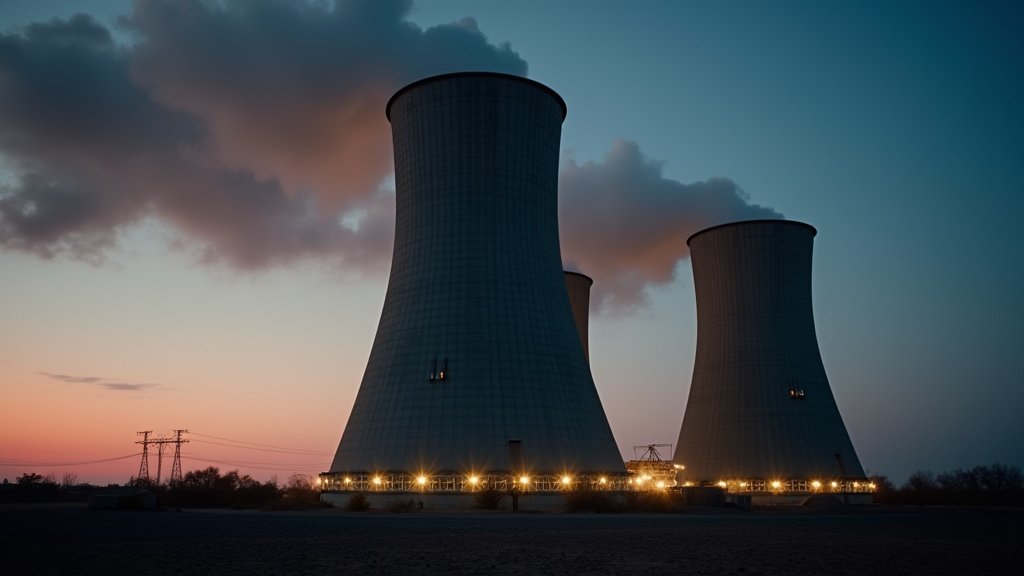
Texas’s booming data center industry is facing increasing pressure to curb its immense water consumption, as critics argue the rapid expansion is unsustainable and strains the state’s already limited water resources. The surge in demand for electricity and water by these facilities, crucial for the digital economy, is prompting calls for greater oversight and more efficient practices.
Key Highlights:
- Texas is experiencing a significant boom in data center construction, driven by demand for cloud computing and AI.
- These facilities are highly water-intensive, primarily for cooling systems.
- Concerns are rising about the strain on Texas’s water resources, particularly in drought-prone regions.
- Lawmakers and environmental groups are advocating for stricter regulations and water conservation measures.
- The industry is exploring technological solutions for water efficiency, but challenges remain.
The Thirsty Giants: Data Centers and Texas’s Water Woes
Texas has become a prime destination for data center development, attracting billions in investment due to its favorable business climate, abundant energy supply, and strategic location. These facilities, the backbone of the digital age, house the servers and computing infrastructure that power everything from streaming services to artificial intelligence. However, their insatiable appetite for power comes with a significant, often overlooked, consequence: an enormous demand for water.
Cooling Demands and Water Intensity
The primary reason for the high water usage in data centers is the need for cooling. Servers generate substantial heat, and maintaining optimal operating temperatures is critical for their performance and longevity. Many data centers employ evaporative cooling systems, which are highly effective but consume vast amounts of water as it evaporates. In arid or semi-arid regions like much of Texas, this reliance on water for cooling raises serious sustainability questions. Critics point out that while the digital economy offers significant economic benefits, its environmental footprint, particularly regarding water resources, is becoming a pressing concern.
Economic Boom vs. Environmental Strain
The economic impact of data centers in Texas is undeniable, creating jobs and stimulating local economies through construction and operational activities. However, this economic boom is increasingly being weighed against the environmental strain. As Texas faces more frequent and intense droughts, the competition for scarce water resources intensifies. This has led to growing friction between the tech industry, state regulators, and environmental advocates. The narrative is shifting from celebrating the investment to questioning the long-term viability of such intensive water usage in a water-scarce state.
Regulatory and Industry Responses
In response to mounting pressure, Texas lawmakers and regulatory bodies are beginning to scrutinize the water footprint of data centers. Discussions are underway regarding stricter permitting processes, water usage reporting requirements, and the potential for mandated water efficiency standards. The industry itself is not static, with many companies actively investing in research and development to improve water efficiency. This includes exploring alternative cooling technologies such as closed-loop systems, dry cooling, or utilizing recycled water. However, the scale of the problem and the cost of implementing new technologies present significant hurdles.
The Future of Digital Infrastructure in Texas
The ongoing debate highlights a critical challenge for Texas: balancing its ambition to be a leader in the digital economy with the imperative to conserve its precious water resources. Future data center development may need to be more strategically located, prioritizing areas with more sustainable water access or requiring higher levels of water-saving technology. The success of Texas in navigating this issue will serve as a model for other regions grappling with similar issues of rapid technological growth and resource scarcity.
FAQ: People Also Ask
What is the primary use of water in data centers?
Water in data centers is primarily used for cooling systems to dissipate the heat generated by servers and other IT equipment. Evaporative cooling towers are a common method that relies heavily on water evaporation.
How much water does a data center use?
The water consumption of data centers varies greatly depending on their size, cooling technology, and operational efficiency. However, they are generally considered highly water-intensive facilities, with some estimates suggesting they can use as much water as tens of thousands of homes.
Are there alternatives to water-based cooling for data centers?
Yes, there are alternative cooling methods, including air cooling (both direct and indirect), liquid cooling (direct-to-chip or immersion cooling), and hybrid systems that combine different approaches. These technologies aim to reduce or eliminate the reliance on water for cooling.
What are the main concerns regarding data center water usage in Texas?
The primary concerns revolve around the strain on Texas’s limited water resources, especially in drought-prone areas, and the potential for this intense water consumption to exacerbate water scarcity issues for other users, such as agriculture and residential communities.
What steps can be taken to mitigate the water impact of data centers?
Mitigation strategies include adopting more water-efficient cooling technologies, utilizing recycled or non-potable water sources, improving operational efficiency to reduce heat load, implementing stricter water usage regulations and reporting, and strategic site selection in areas with more abundant and sustainable water supplies.