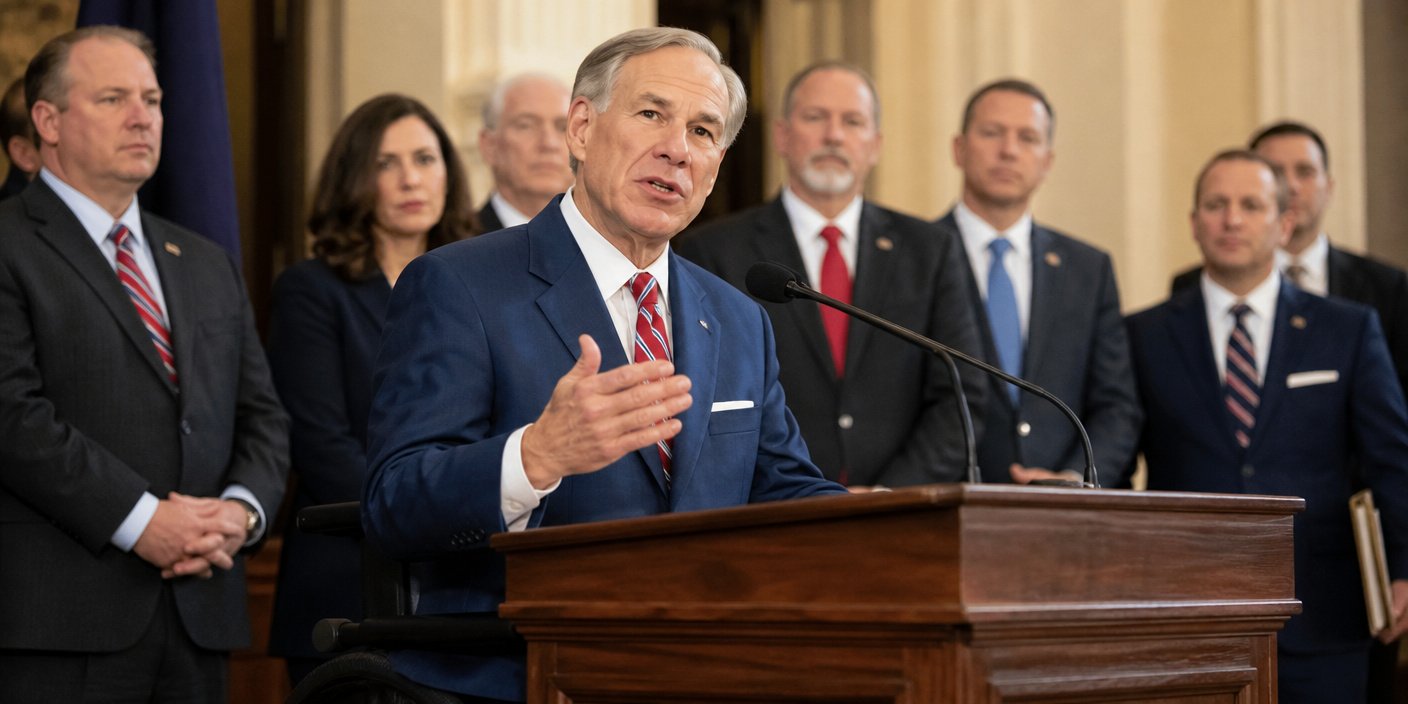

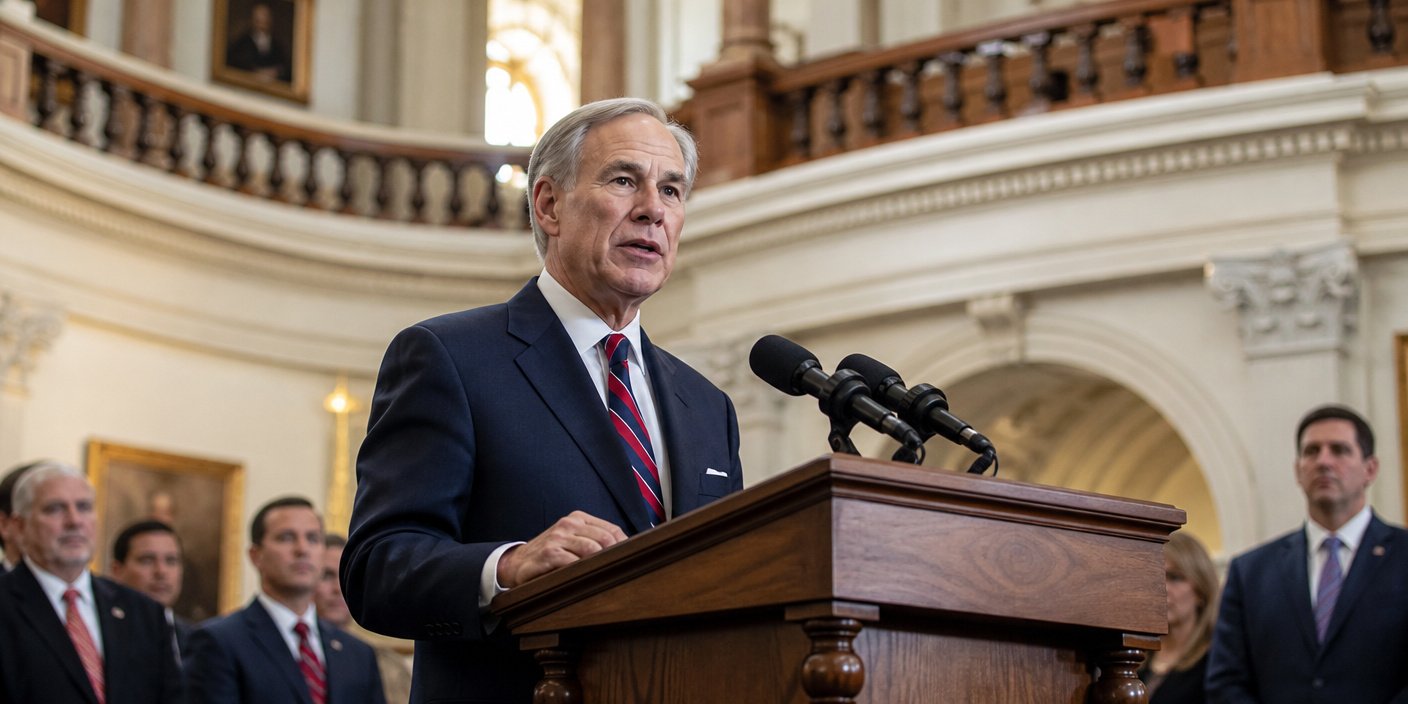
Governor Greg Abbott has launched an ambitious, multi-faceted initiative designed to fundamentally reshape the educational landscape in Texas. The strategic plan, which seeks to elevate Texas public schools to the top tier nationally, focuses on a triad of core pillars: parental empowerment through school choice, significant investment in teacher retention, and increased academic accountability. As the administration pivots toward this long-term goal, the discourse has intensified regarding how Texas—which currently ranks in the middle tier of U.S. states in per-pupil spending and standardized test outcomes—will bridge the gap to become a beacon for educational excellence.
Key Highlights
- Universal Parental Empowerment: The plan prioritizes the expansion of Educational Savings Accounts (ESAs), allowing parents to utilize public funds for private schooling or specialized educational services.
- Teacher Workforce Revitalization: A new focus on competitive compensation packages to mitigate the state’s ongoing teacher shortage and retain top-tier talent.
- Academic Standards Elevation: Implementation of more rigorous curriculum benchmarks, ensuring students are workforce-ready and competitive in global markets.
- Accountability Reforms: Strengthening the oversight mechanisms managed by the Texas Education Agency (TEA) to ensure districts are meeting new performance metrics.
The Path to Premier: Restructuring Texas Education
The vision laid out by Governor Abbott is predicated on the belief that traditional school systems require structural disruption to achieve superior outcomes. By positioning Texas as a laboratory for educational innovation, the Governor’s administration aims to bypass the stagnation often associated with large-scale public school systems. Central to this approach is the premise that competition and parental choice will force a natural evolution of educational standards across the state.
Parental Empowerment and the School Choice Debate
The cornerstone of Abbott’s strategy is the aggressive push for Educational Savings Accounts (ESAs). This policy, which has faced historical resistance in the Texas Legislature, is framed by the Governor as a civil rights issue for families. By enabling parents to direct state-allocated funds toward private schools, charter institutions, or specialized tutoring, the administration argues that it is dismantling the “one-size-fits-all” monopoly of the traditional district model. Economists analyzing the proposal suggest that if implemented at scale, this would shift the market dynamics of education, forcing public districts to improve their service offerings to retain their student populations. However, critics argue this could lead to the siphoning of essential funds from rural public schools, where the local district often serves as the primary community anchor.
Teacher Compensation: Bridging the Talent Gap
A critical component of the Governor’s plan involves a massive overhaul of the teacher compensation structure. Facing a critical shortage of educators—exacerbated by post-pandemic burnout and stagnant salary growth—the administration is proposing a shift toward merit-based pay. The Texas Education Agency (TEA) is tasked with developing models that incentivize high-performing teachers to remain in the classroom rather than moving into administrative roles. The goal is to make Texas the most attractive state in the union for educators, not only through salary increases but through better benefits and professional development support. This move is designed to address the “brain drain” currently affecting various school districts, ensuring that the best instructors are teaching where they are needed most.
Accountability and Academic Rigor
To ensure the “best in the U.S.” goal is met, the plan incorporates stricter academic benchmarks. The strategy involves a revitalization of the STAAR (State of Texas Assessments of Academic Readiness) framework, aiming to move beyond mere compliance to a model that emphasizes critical thinking and college readiness. By integrating more robust career and technical education (CTE) programs, the Governor’s office believes the state can better align its public school output with the needs of the booming Texas economy, particularly in the tech and energy sectors. The administration intends to track performance data with greater precision, providing taxpayers with transparent, actionable metrics regarding the ROI of their local school districts.
Secondary Angles of the Initiative
Beyond the headline policies, the initiative contains several secondary layers. First, there is the technological integration angle: the state is pushing for accelerated digital literacy and infrastructure upgrades in rural schools to ensure that geography does not dictate educational quality. Second, there is the economic integration angle, where the state is building direct pipelines between high school CTE programs and major corporate employers in Austin and Dallas. Finally, there is the political angle—the attempt to unify the Republican base around education as a central platform issue, which has historically been a point of division between rural legislators and urban leadership.
FAQ: People Also Ask
Q: What are Educational Savings Accounts (ESAs) in the context of Abbott’s plan?
A: ESAs are a financial mechanism that allows parents to withdraw their children from the public school system and receive a portion of the state funding that would have been spent on their child to pay for private school tuition, homeschooling expenses, or other educational materials.
Q: How does this plan address the teacher shortage in Texas?
A: The plan proposes a combination of state-funded salary incentives, merit-based bonus structures, and improved professional development support, all aimed at retaining high-quality educators and making the profession more financially viable.
Q: Is there a timeline for when Texas schools would reach this “best in the U.S.” status?
A: The administration has framed this as a long-term strategic evolution rather than an overnight fix, with specific benchmarks and fiscal goals set over the next several legislative cycles to ensure steady progress toward national top-tier rankings.