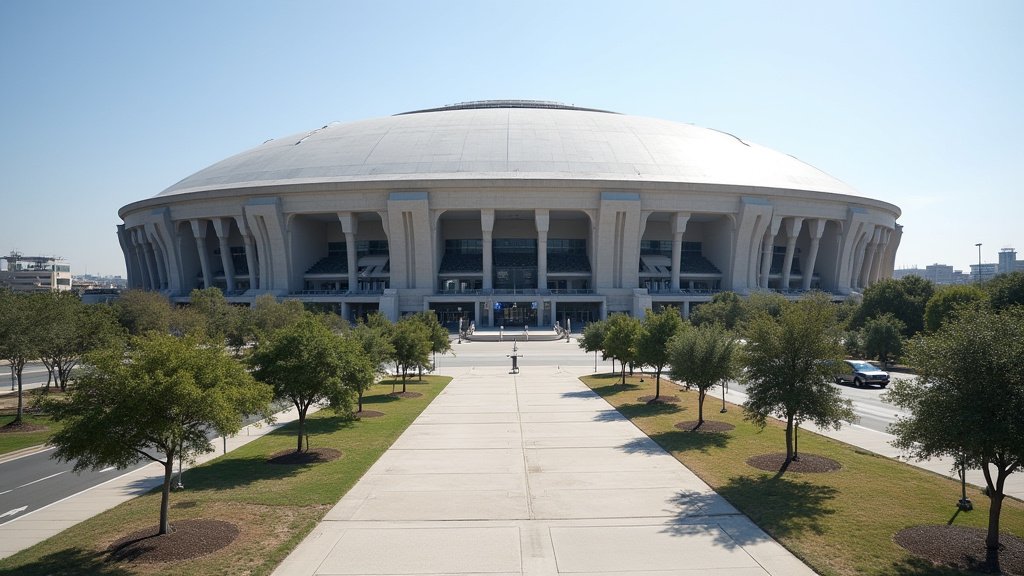

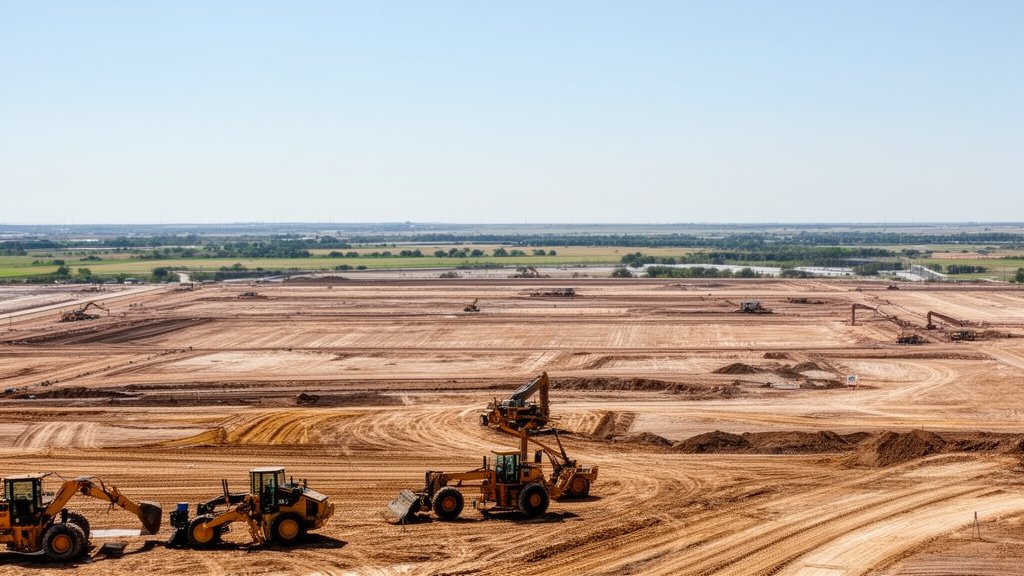
AT&T has officially broken ground on a $1.3 billion headquarters campus in Plano, Texas, initiating a massive consolidation effort that will integrate employees from multiple existing locations into a unified, state-of-the-art 2.2 million-square-foot facility by 2029. This project represents one of the most significant corporate real estate developments in the Dallas-Fort Worth metroplex, signaling the telecommunications giant’s long-term commitment to centralizing its workforce within the rapidly expanding tech corridor of North Texas.
The Architectural Scale of the New Hub
The sheer magnitude of this development cannot be overstated. At 2.2 million square feet, the new campus is designed not merely as an office complex, but as a holistic environment intended to foster collaboration and technological innovation. The $1.3 billion budget covers not only the structural construction but also the implementation of advanced fiber-optic infrastructure, high-density computing capabilities, and employee-centric amenities designed to attract and retain top-tier talent. This investment underscores a broader industry shift where physical office space is being reimagined as a ‘destination’ rather than a traditional administrative hub.
Strategic Regional Positioning in North Texas
Plano’s selection as the site for this sprawling campus is a strategic alignment with the city’s status as a burgeoning headquarters hub. By anchoring its operations in this specific sector of North Texas, AT&T is leveraging the existing ecosystem of technology partners, specialized talent pools, and logistical connectivity that defines the DFW region. This move mirrors trends seen by other Fortune 500 companies that have recently relocated or expanded into the region to capitalize on the lower cost of business operation compared to coastal headquarters, while maintaining proximity to international transport hubs.
The Workforce Transition and Consolidation Strategy
The primary logistical driver behind the $1.3 billion investment is the consolidation of disparate satellite offices. For years, AT&T has operated out of a patchwork of facilities across the region. By 2029, these locations will merge into the new Plano campus, allowing the company to shed redundant real estate costs and implement a unified corporate culture. While the transition will require a multi-year phased migration of staff, the projected outcome is a significant reduction in operational overhead and an increase in cross-departmental synergy. The new campus will specifically cater to a hybrid-work model, offering flexible meeting spaces and ‘neighborhood’ style seating arrangements that adapt to the changing needs of a modern workforce.
Future-Proofing for the Telecommunications Sector
Beyond the bricks and mortar, the project is a technological showcase. The campus will likely serve as a testbed for AT&T’s 5G and fiber-to-the-premise advancements, with the building itself acting as an intelligent entity. From smart-building management systems that regulate energy consumption to advanced cybersecurity perimeters that protect corporate assets, the site will function as a live laboratory for the connectivity solutions AT&T sells to its global clients. As the company prepares for a 2029 move-in, industry analysts are watching closely to see how this facility influences the broader architectural standards for telecommunications headquarters worldwide.
FAQ: People Also Ask
Q: What is the primary goal of the new AT&T campus?
A: The primary objective is to consolidate employees from multiple, scattered existing locations into a single, highly efficient 2.2 million-square-foot headquarters to improve collaboration, reduce real estate overhead, and unify corporate culture by 2029.
Q: How does this project impact the Plano, Texas economy?
A: The $1.3 billion construction project creates a massive economic stimulus in North Texas, driving demand for local contractors, materials, and services, while cementing Plano’s reputation as a top-tier destination for corporate headquarters.
Q: When will the new headquarters be fully operational?
A: According to current development plans, the facility is slated for completion and full transition by 2029.