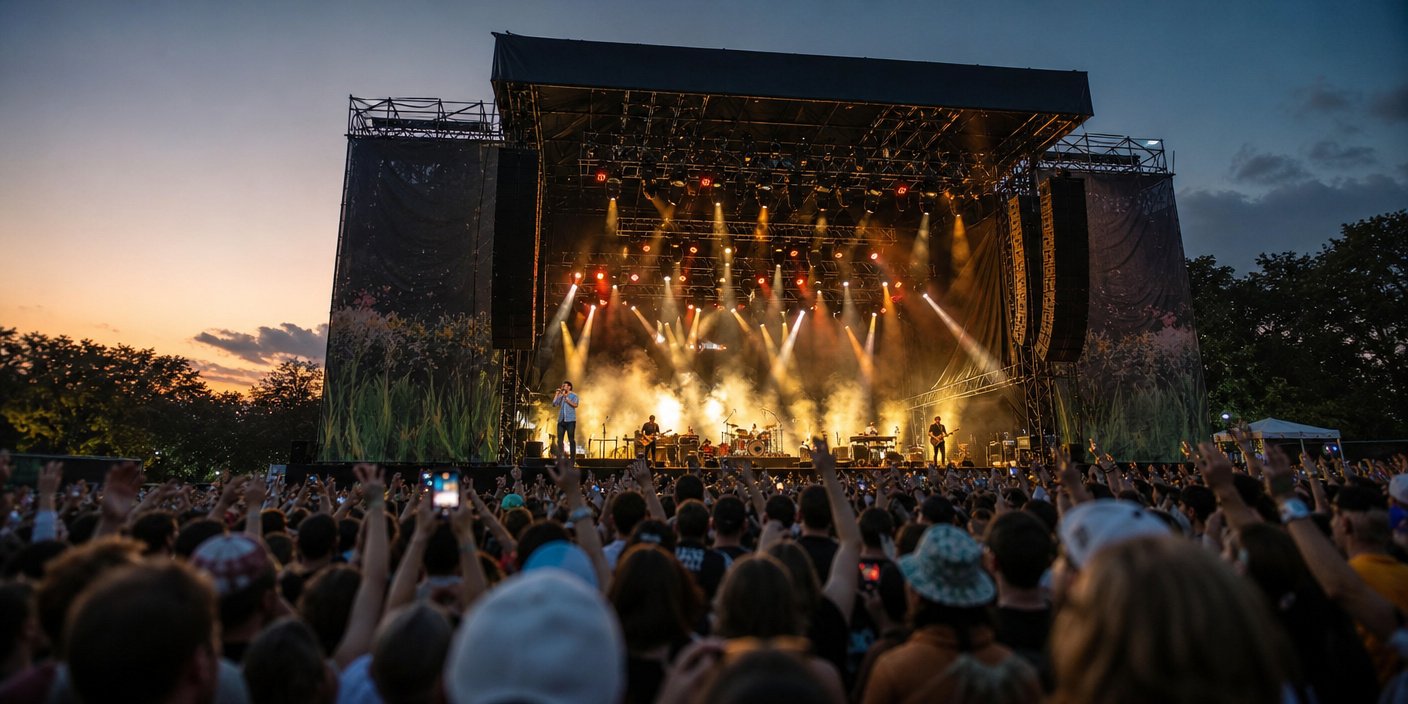

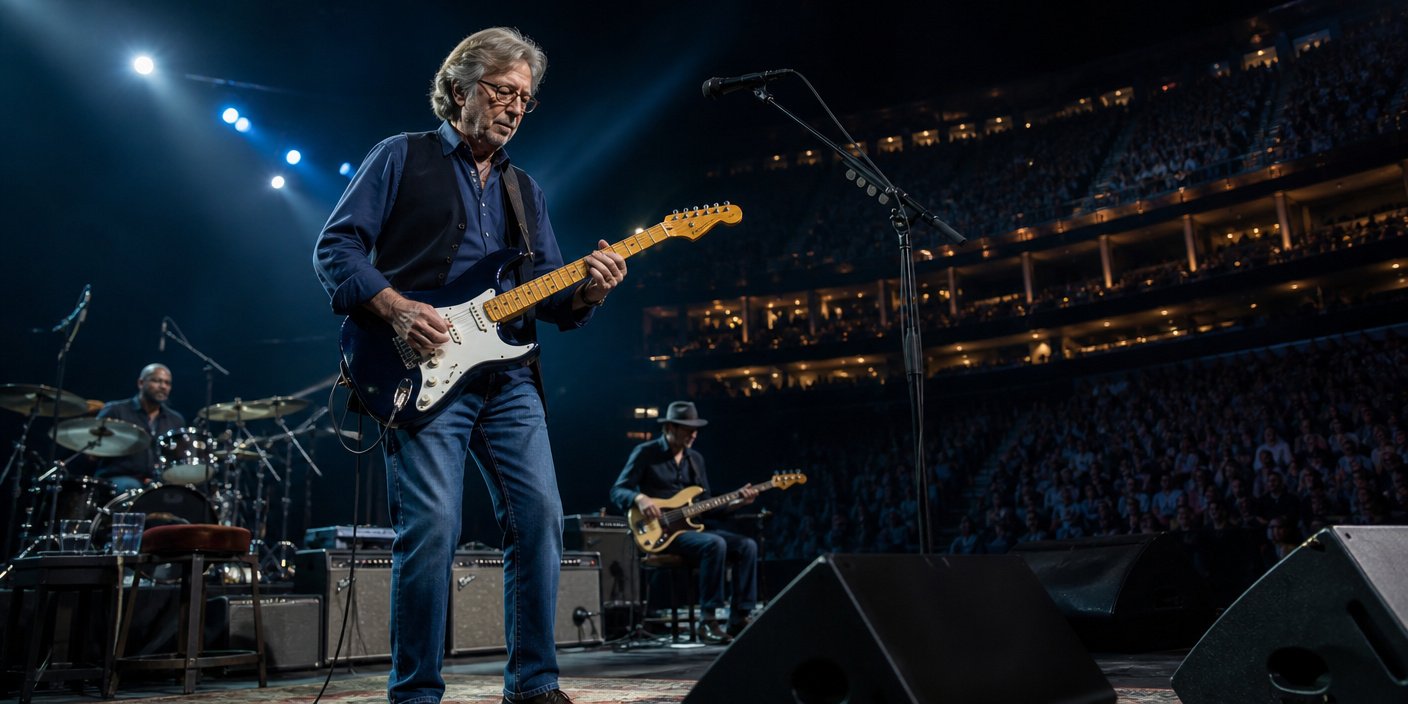
Guitar legend Eric Clapton is bringing his renowned Crossroads Guitar Festival back to Austin, Texas, marking the 7th iteration of the star-studded event. Scheduled for September 26-27, 2026, at the Moody Center, this two-night celebration serves as both a musical pilgrimage for guitar enthusiasts and a critical fundraiser for the Crossroads Centre Antigua. The festival, which has become a hallmark of the music calendar, continues its tradition of convening the world’s most influential guitarists for a showcase that transcends genre.
Key Highlights
- Event: 7th Eric Clapton’s Crossroads Guitar Festival.
- Dates: September 26-27, 2026.
- Location: Moody Center, Austin, Texas.
- Cause: Supporting the 28th anniversary of the Crossroads Centre Antigua.
- Featured Lineup: Joe Bonamassa, Gary Clark Jr., Billy Gibbons, Buddy Guy, and John Mayer.
The Ultimate Guitar Pilgrimage: A Return to Texas
The announcement of the 2026 Crossroads Guitar Festival returning to Austin, Texas, has sent ripples through the music industry. After previously finding success in Austin’s vibrant musical ecosystem, the return to the Moody Center suggests a commitment to the venue’s state-of-the-art acoustics and the city’s deep-rooted culture of live performance.
Eric Clapton, the festival’s architect, has consistently leveraged his platform to do more than just entertain. Since its inception, the event has functioned as a cultural barometer, measuring the health and evolution of blues, rock, and jazz-fusion guitar. By anchoring the 2026 event in Texas—a state historically significant to the blues and rock tradition—Clapton underscores the festival’s mission: to celebrate the instrument’s masters while supporting those in recovery.
The Lineup: A Masterclass in String Theory
The 2026 lineup is a curated selection of virtuosos who bridge the gap between traditional blues and modern rock. Headliners like Joe Bonamassa and John Mayer bring a technical precision and massive cross-generational appeal, ensuring that the event remains relevant in a rapidly changing industry. The inclusion of Gary Clark Jr., an Austin native and modern blues-rock powerhouse, feels particularly poignant given the location.
Furthermore, the festival honors its history by including legends like Billy Gibbons and Buddy Guy. Guy, in particular, represents the direct line to the Chicago blues tradition that influenced Clapton himself. Seeing these generations share the stage creates a unique narrative arc—a conversation between the past, present, and future of guitar music that only the Crossroads Festival can facilitate.
Philanthropy and Roots: The Crossroads Centre Antigua
While the music serves as the draw, the heartbeat of the festival remains the Crossroads Centre Antigua. Founded in 1998, the centre provides treatment and education for those struggling with chemical dependency. Celebrating its 28th anniversary in 2026, the facility serves as a testament to Clapton’s personal commitment to addiction recovery.
The festival acts as the primary financial engine for the centre. By consolidating top-tier talent, ticket revenue, and exclusive merchandise, the event raises significant funds that keep the facility operational. This philanthropic core separates Crossroads from standard music festivals; for attendees, the ticket purchase represents a direct contribution to a charitable cause that has saved countless lives over nearly three decades.
Austin as the Musical Epicenter
The decision to host the festival at the Moody Center is strategic. Since opening, the arena has established itself as one of the premier performance spaces in the United States. Its ability to handle complex, guitar-heavy live setups with high-fidelity sound makes it the ideal location for a festival that prioritizes sonic quality above all else.
Austin’s identity as the “Live Music Capital of the World” provides a necessary backdrop. The intersection of the city’s local music scene and the global weight of the Crossroads performers ensures a unique atmosphere. For local businesses, hotels, and the broader Austin economy, the influx of international tourists coming for the festival represents a significant economic surge. It cements the city’s status not just as a hub for local musicians, but as a destination for global, high-value music tourism.
Looking Back: The Evolution of the Crossroads Experience
Since the inaugural 2004 festival, the Crossroads Guitar Festival has evolved significantly. Originally conceived as a way to benefit the Antigua facility, it has grown into an institution. Over the years, the festival has captured lightning-in-a-bottle moments: unrehearsed jams, the passing of the torch from elder statesmen to young prodigies, and the exploration of technical virtuosity that rarely appears on a standard stadium tour.
The 2026 event promises to continue this trajectory. As technology changes how we consume music, the demand for high-end, live experiences—where the skill of the artist is the main attraction—is higher than ever. Clapton’s ability to draw such a diverse roster remains a testament to his respect in the industry; these artists perform not just for the paycheck, but for the chance to play alongside peers they often revere.
FAQ: People Also Ask
1. What is the main goal of Eric Clapton’s Crossroads Guitar Festival?
The primary goal is to raise funds for the Crossroads Centre in Antigua, a treatment and education facility for people with chemical dependency, which Clapton founded in 1998.
2. Is this the first time the festival has been held in Austin?
No, the Crossroads Guitar Festival has previously been hosted in Austin, Texas, at the Moody Center, proving to be a highly successful location for the event’s specific acoustic and logistical requirements.
3. Who are the confirmed artists for the 2026 lineup?
The initial lineup includes guitar icons and celebrated performers such as Joe Bonamassa, Gary Clark Jr., Billy Gibbons, Buddy Guy, and John Mayer.
4. Why is this festival significant to guitar history?
It acts as a rare nexus point where generations of guitarists—from blues pioneers to modern rock stars—collaborate, share the stage, and demonstrate the evolution of the instrument, often resulting in unique, one-off performances.