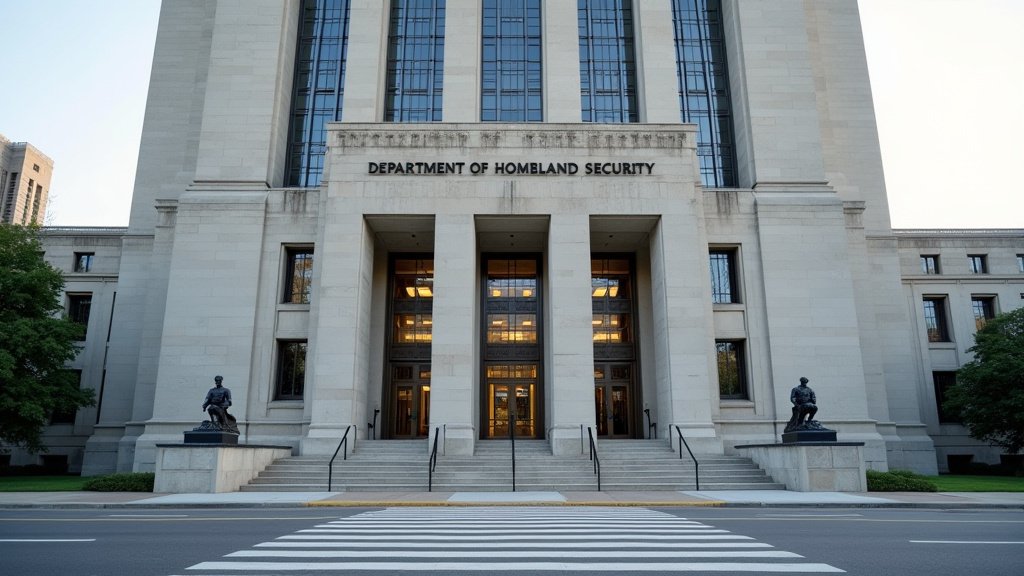
In a pivotal development challenging federal conduct, fifteen U.S. citizens and legal residents have submitted formal administrative complaints against the Department of Homeland Security (DHS). These filings, which serve as the requisite precursor to federal litigation, allege that participants were subjected to excessive force and wrongful detainment during the controversial operation known as “Operation Midway Blitz.” The submission signals the opening phase of a legal battle that could test the boundaries of federal authority under the Federal Tort Claims Act (FTCA).
The Allegations: Excessive Force and Wrongful Detention
The complaints detail a harrowing narrative of the events transpiring during Operation Midway Blitz. According to the documents submitted to the DHS, the fifteen plaintiffs claim that federal agents utilized tactics that far exceeded the scope of standard law enforcement protocols. Specifically, the filings highlight instances of warrantless detainment, the use of excessive physical force, and significant psychological distress inflicted upon residents who assert they had no prior warning of the operation’s objectives. These claims are not merely procedural; they are rooted in the assertion that the Department of Homeland Security fundamentally violated the civil liberties of the affected individuals, turning a routine operation into a site of alleged constitutional infringement.
The Administrative Process: A Gateway to Litigation
The filing of these administrative complaints is a critical legal maneuver. Under the Federal Tort Claims Act, a claimant must first exhaust all administrative remedies before they are permitted to bring a lawsuit against the federal government in a U.S. District Court. By submitting these formal complaints to the DHS, the plaintiffs have initiated a six-month waiting period—or until the agency provides a final denial of the claims. This administrative “exhaustion” process is designed to allow the agency the opportunity to investigate its own conduct and potentially offer a settlement. However, legal observers suggest that the filing is a clear indicator that the residents and their legal counsel are prepared to proceed to full-scale federal tort litigation should the agency fail to acknowledge the harms caused.
Constitutional Implications and Oversight
Beyond the specific financial damages sought, the case of the Midway Blitz raises systemic questions regarding the accountability of the Department of Homeland Security. When federal agencies operate under broad mandates, the friction between national security priorities and individual constitutional rights often creates a legal gray area. This incident has reignited debates among civil rights advocates and legal scholars regarding the extent of qualified immunity and the oversight mechanisms currently in place for federal field operations. The plaintiffs are pushing for a transparent review of the operational parameters used during the Blitz, questioning whether the actions taken were consistent with federal policy or if they represented an unauthorized escalation of force.
Analyzing the Path Forward
As the DHS begins its internal review of these fifteen claims, three secondary angles remain vital for understanding the scope of this dispute:
1. Precedent and Settlement Trends: Historically, administrative claims against the DHS that result in litigation can drag on for years. The outcome of these specific 15 complaints could set a precedent for how the agency handles future claims of operational overreach, potentially forcing a policy shift in how “blitz-style” operations are conducted.
2. The Economic Impact of Tort Claims: While these filings seek individual damages, the potential cumulative economic impact on the federal budget if these claims succeed—or if class-action status is pursued—could be substantial. It underscores the financial risk inherent in unchecked federal enforcement actions.
3. The Erosion of Trust: Beyond the courtroom, these complaints represent a significant fracture in the relationship between the government and the communities it serves. The perceived violation of rights in the Midway Blitz could have long-term implications for the cooperation between federal agencies and local populations in future operations.
Legal experts note that the specificity of the complaints—citing exact times, locations, and the nature of the force used—makes this a high-stakes scenario for the DHS. The agency is now tasked with either validating the concerns of these fifteen residents, thereby admitting fault, or defending the actions of its agents, which could lead to a protracted and highly publicized court battle.