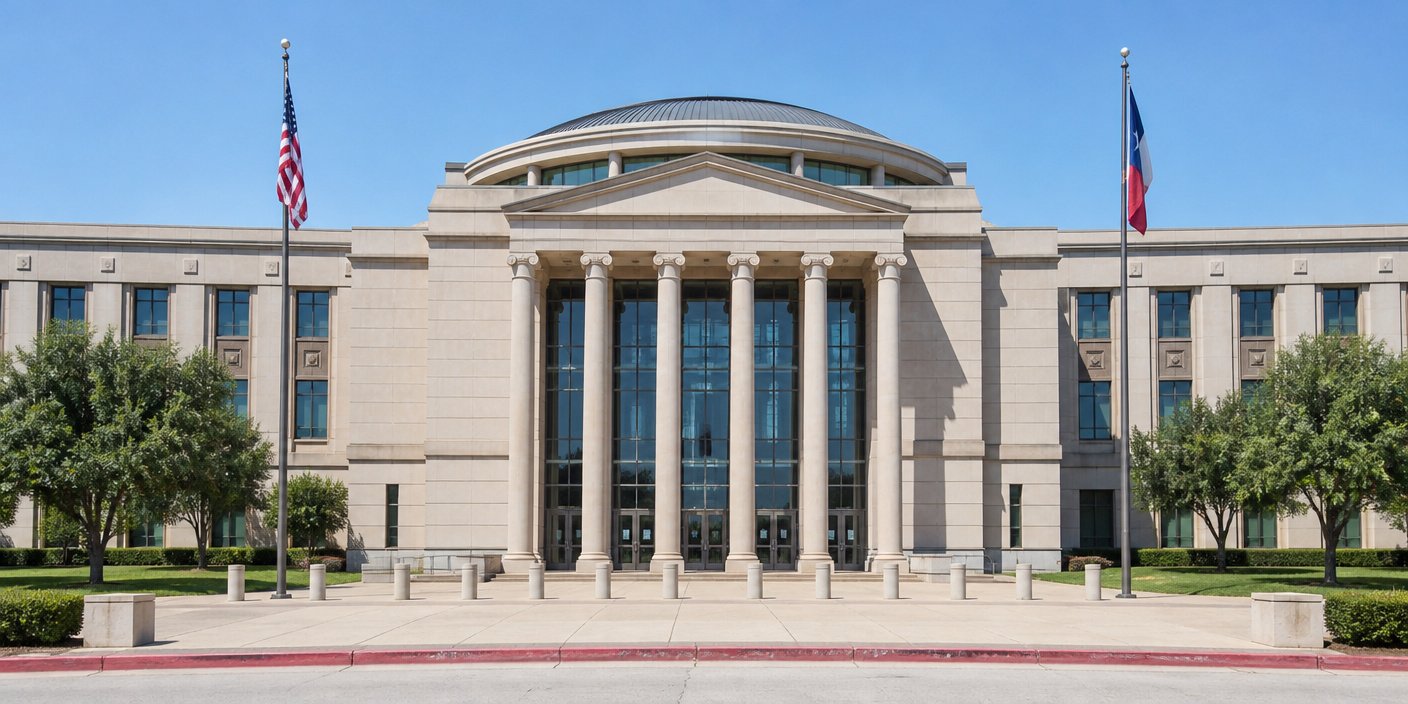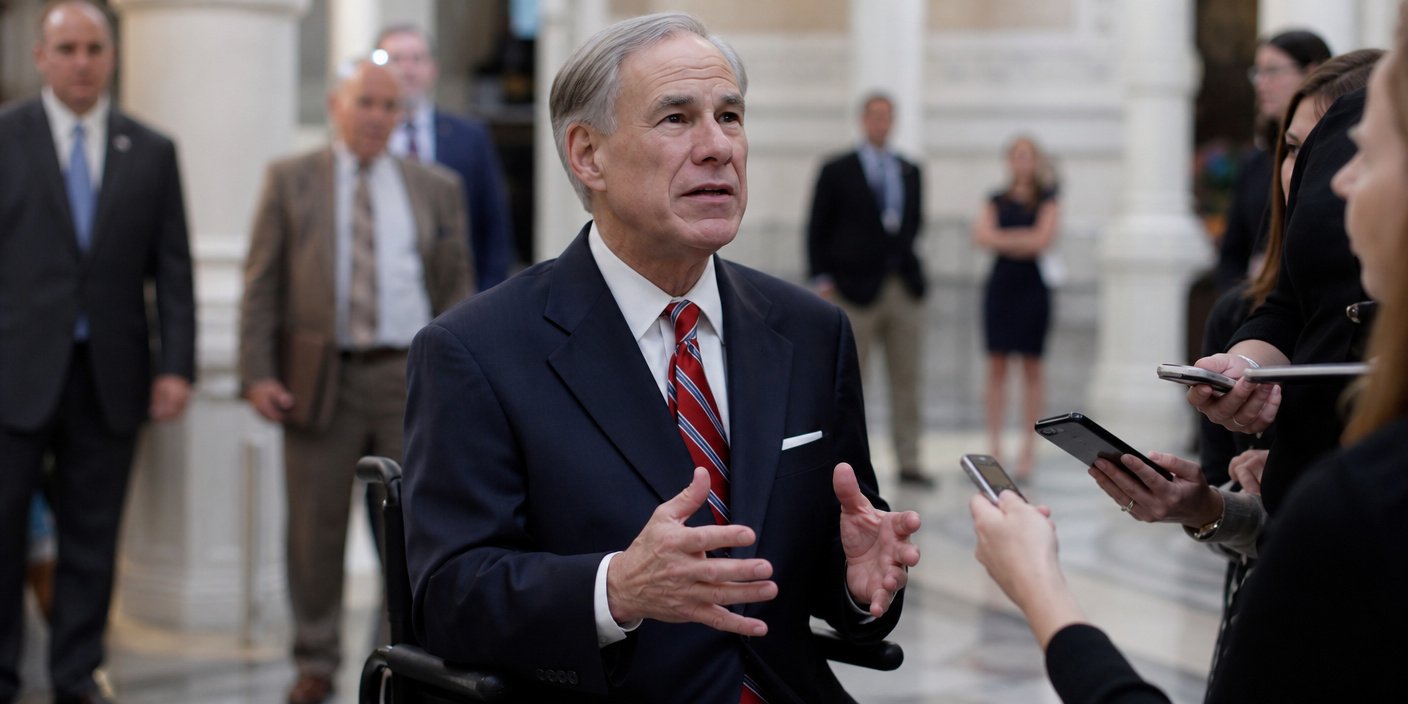

The Texas Supreme Court is set to convene on December 3 to hear oral arguments in a high-stakes legal battle centered on Dallas’ 2023 short-term rental (STR) ban. This pivotal hearing marks a critical juncture for both property owners and municipal governments, as the court prepares to weigh the city’s regulatory power against the constitutional protections of private property rights. At the heart of the litigation—City of Dallas v. Aaron A. Vowell et al.—is the question of whether Dallas overstepped its authority by prohibiting short-term rentals within single-family residential zones, a move that effectively shuttered hundreds of operationally viable properties overnight.
The Battle Over Residential Zones and Municipal Power
The Dallas City Council adopted the restrictive ordinance in 2023, responding to a groundswell of complaints from permanent residents regarding noise, parking congestion, and the perceived erosion of neighborhood character. By designating STRs as illegal in single-family zones, the city effectively reclassified existing short-term operations as non-conforming uses, leading to immediate enforcement actions. However, the legal challenge filed by property owners contends that the ordinance constitutes an unconstitutional regulatory taking.
The central legal argument hinges on the ‘vested rights’ doctrine. Plaintiffs argue that they operated their rental businesses legally under previous codes and that the city’s sudden legislative pivot stripped them of their investment value and property utility without just compensation. Conversely, the City of Dallas maintains that its police power gives it broad latitude to zone and regulate land use to protect the public health, safety, and welfare of its citizens. The city’s attorneys emphasize that municipalities must retain the flexibility to address the externalities—such as ‘party houses’—that often accompany the rise of transient occupancy in quiet, single-family neighborhoods.
The Constitutional and Regulatory Stakes
Legal experts are watching this case closely because the Texas Supreme Court’s ruling could provide a definitive framework for how cities statewide handle the ‘sharing economy.’ Unlike some states where STR regulation is explicitly preempted by state law, Texas has a complex history regarding local control. If the Supreme Court rules in favor of the property owners, it could effectively invalidate similar bans in other Texas municipalities, such as Austin or San Antonio, where councils have struggled to balance tourism-driven revenue against residential peace.
However, a victory for the City of Dallas would affirm the broad authority of home-rule cities to regulate land use, potentially emboldening local governments to enact even stricter limitations. The case is not merely about rental platforms; it is a fundamental test of the limits of municipal power. The court will need to determine if an ordinance that retroactively removes an established, legal business use constitutes a compensable ‘taking’ under the Texas Constitution. This requires the justices to parse the difference between valid legislative regulation and confiscatory government action.
The Ripple Effect: Economic and Community Impact
Beyond the courtroom, the economic implications are significant. Property owners have highlighted the loss of revenue and property devaluation as primary damages. For many, these short-term rentals were significant investments, and the sudden cessation of operations has created financial hardship. On the other side, neighborhood advocacy groups, which have been instrumental in pushing for these bans, argue that the return to long-term residential occupancy is essential for stabilizing home prices and fostering a sense of community that is often lost when houses are treated like ephemeral hotel rooms.
As the December 3 date approaches, both sides are positioning their arguments for the highest court in the state. The outcome will likely influence the investment strategy for real estate in Texas for years to come. Whether the court opts for a narrow ruling focused strictly on the language of the Dallas ordinance or issues a broad opinion that clarifies the constitutional boundaries of local zoning, the decision will undoubtedly serve as the new ‘rule of law’ for Texas STR policy.
Analyzing the ‘Vested Rights’ Doctrine
To understand the legal gravity of this hearing, one must look at the ‘vested rights’ doctrine. In Texas, this doctrine generally protects property owners from retroactive changes in regulations that would prohibit a development that is already underway or permitted. The crux of the conflict in the Dallas case is whether an existing, continuous business operation constitutes a protected right that survives a zoning change. The city argues that because the properties are located in single-family districts, their use as commercial short-term rentals was never inherently protected, despite previous permitting or lack of enforcement. This sets up a classic standoff between state-level protections for owners and the local-level mandates of municipal planning departments.
Preparing for a Post-Ruling Landscape
Regardless of the outcome, the Texas legislature may yet be forced to intervene. In previous sessions, lawmakers have flirted with state-wide legislation that would explicitly limit the ability of cities to ban STRs entirely, preferring a model of ‘regulate, don’t eliminate.’ If the Supreme Court provides a muddy or limited ruling, the pressure on the state capitol in Austin to provide legislative clarity will only intensify. Property owners, management companies, and neighborhood associations are all waiting for the December 3 signal, which will determine whether the current ‘patchwork’ of local ordinances survives or if a more uniform, state-enforced policy is imminent.
FAQ: People Also Ask
What specifically is the Texas Supreme Court deciding in this case?
The Court is reviewing whether the City of Dallas’ 2023 ordinance—which effectively bans short-term rentals in single-family zones—violates property rights protections under the Texas Constitution, specifically regarding ‘vested rights’ and regulatory takings.
When is the oral argument scheduled?
The Texas Supreme Court is scheduled to hear oral arguments in the case regarding the Dallas STR ordinance on December 3.
What happens if the court rules against the City of Dallas?
If the Court rules the ordinance is an unconstitutional taking or exceeds the city’s authority, it could invalidate the ban, potentially forcing the city to compensate property owners for lost value or to allow STR operations to resume in those zones. It would also set a major precedent for other Texas cities.
Are all short-term rentals banned in Dallas?
No. The 2023 ordinance specifically targets single-family residential zones. The regulatory landscape for multi-family units and other commercial-zoned properties remains subject to different local rules and permitting requirements.