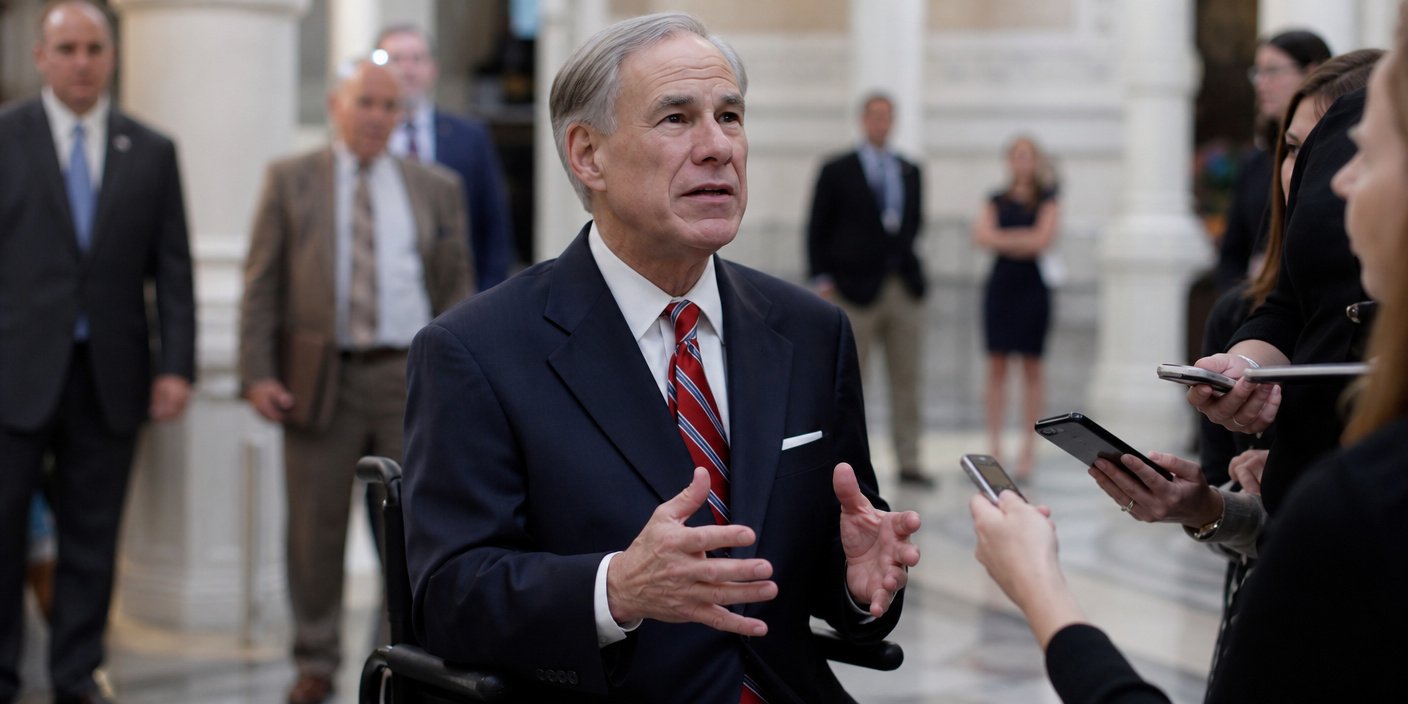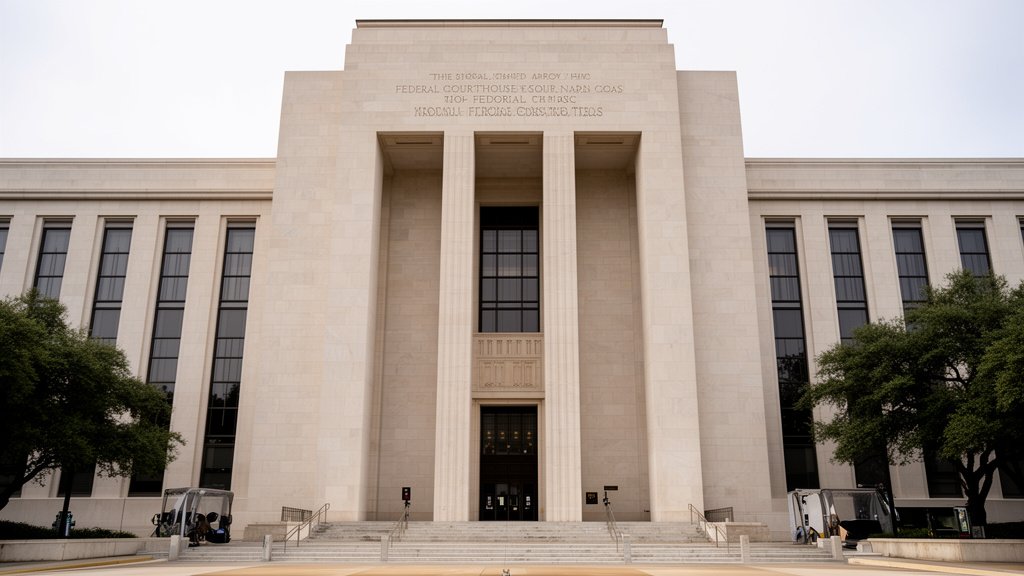


Texas Attorney General Ken Paxton has formally launched a legal offensive against artificial intelligence giant OpenAI, filing a 67-page lawsuit in Collin County District Court. The complaint, which targets both the corporation and CEO Sam Altman, alleges that OpenAI engaged in widespread deceptive trade practices by misleading Texas consumers about the safety, reliability, and parental control capabilities of its flagship generative AI product, ChatGPT. This legal challenge marks a significant escalation in the ongoing tension between state regulators and the rapidly expanding AI industry, with Paxton asserting that the company prioritized aggressive market expansion over the protection of vulnerable users, particularly teenagers.
Key Highlights
- Legal Action: Texas AG Ken Paxton filed a 67-page lawsuit in Collin County District Court naming OpenAI and CEO Sam Altman as defendants.
- Core Allegations: The complaint centers on deceptive trade practices and false advertising regarding the “safety” and “reliability” of the ChatGPT platform.
- Protection Concerns: A significant portion of the litigation highlights the perceived lack of adequate parental controls and safety safeguards specifically intended to protect teenage users.
- Regulatory Precedent: This filing represents one of the most aggressive state-level legal challenges against a major AI developer to date, testing the boundaries of consumer protection laws in the digital age.
The Legal Crucible: Decoding Texas v. OpenAI
The lawsuit filed by the Texas Attorney General’s Office represents a watershed moment for the regulation of artificial intelligence. At the heart of the complaint is the assertion that OpenAI—and specifically leadership under CEO Sam Altman—leveraged marketing language that promised a safe, reliable user experience while allegedly failing to implement the technical safeguards necessary to substantiate those claims. This is not merely a technical disagreement; it is a fundamental challenge to the “trust and safety” framework that many Silicon Valley firms use to facilitate the mass adoption of their products.
Anatomy of the 67-Page Complaint
The filing details a narrative of alleged deception that spans the developmental lifecycle of ChatGPT. According to the complaint, OpenAI marketed its models as being designed with safety at the forefront, yet the Attorney General argues that the company ignored internal warnings and failed to institute robust, effective guardrails. By analyzing the 67-page document, legal observers note that the state is utilizing the Texas Deceptive Trade Practices-Consumer Protection Act (DTPA). This act prohibits “false, misleading, or deceptive acts or practices in the conduct of any trade or commerce.” The crux of the state’s argument is that by labeling ChatGPT as “safe” for general use, including by minors, OpenAI created an implicit contract of safety that it failed to honor.
The “Black Box” and Marketing Realities
One of the most complex aspects of this lawsuit is the tension between the “black box” nature of Large Language Models (LLMs) and the legal requirement for transparency. OpenAI maintains that its models are continuously updated with safety layers and RLHF (Reinforcement Learning from Human Feedback). However, Paxton’s office contends that these measures are insufficient and that the marketing language used to describe them constitutes a bait-and-switch. This section of the legal challenge highlights the difficulty of applying 20th-century consumer protection law to 21st-century software, where the product behaves differently depending on the input, making “safety” a dynamic, rather than static, metric.
Protecting the Next Generation: A Priority Concern
A significant segment of the lawsuit is dedicated to the impact on teenage users. Parents have long voiced concerns about the unfiltered nature of internet content, and AI models add a layer of generative complexity that traditional filters often fail to capture. The lawsuit alleges that OpenAI’s parental control features were either nonexistent, poorly implemented, or marketed with a false sense of security. This angle is particularly potent in a political climate where child safety online is a bipartisan priority. By focusing on minors, the Texas AG’s office is aligning itself with broader national concerns regarding the mental health impacts of digital interaction.
Secondary Angle 1: The Regulatory Tipping Point
Historically, the tech industry has enjoyed a largely self-regulatory environment. From the early days of search engines to the rise of social media giants, government oversight often lagged behind technological adoption. The Texas lawsuit signals a shift toward a “litigation-first” regulatory approach. If this case survives initial motions to dismiss, it could set a massive precedent. We may see a domino effect where other states follow Texas’s lead, forcing AI companies to spend as much on legal compliance and lobbying as they currently do on model training and inference costs.
Secondary Angle 2: Economic and Innovation Impact
There is a counter-argument to the regulatory crackdown: the “compliance drag.” Startups and even established giants like OpenAI may be forced to dial back the speed of their releases to ensure every line of code meets strict safety documentation requirements. While this may increase safety, it could also slow the pace of AI innovation in the United States, potentially giving international competitors an advantage. The economic question here is whether the cost of these safeguards will be passed on to the consumer or absorbed by shareholders, potentially impacting the valuation of these multi-billion dollar companies.
Secondary Angle 3: The Future of Liability
Who is responsible when an AI makes a mistake? This lawsuit targets the CEO, Sam Altman, alongside the corporation, effectively trying to pierce the corporate veil or at least hold leadership accountable for company culture. This trend of holding executives personally responsible for software failures is becoming more common in sectors like cybersecurity. If this holds, future AI deployments will require much more rigorous sign-off processes, essentially treating AI development like the development of high-stakes medical devices or aerospace hardware.
FAQ: People Also Ask
What specific claims is Texas making against OpenAI?
The lawsuit alleges that OpenAI violated the Texas Deceptive Trade Practices Act by misleading consumers about the safety, reliability, and parental control features of its ChatGPT software.
Why is this case being filed in Collin County?
Collin County District Court was chosen as the venue, likely due to the specific jurisdiction of the Texas Attorney General’s office for consumer protection litigation and the strategic advantages of the local court system for handling complex corporate litigation.
What are the potential consequences for OpenAI?
If OpenAI is found liable, the company could face significant financial penalties, court-ordered injunctions that force a redesign of their safety protocols, and a mandate for greater transparency in how they market and document their AI safeguards.
Does this impact ChatGPT users immediately?
For the average user, there is no immediate change to the service. However, depending on the outcome, users may eventually see more restrictive features, new parental verification layers, or a more curated, “safety-first” user experience from OpenAI.
Is this the first time a state has sued an AI company?
While various regulatory bodies have investigated AI companies, this 67-page lawsuit is one of the most high-profile and comprehensive state-level legal attacks on an AI developer’s core business practices in the United States.