
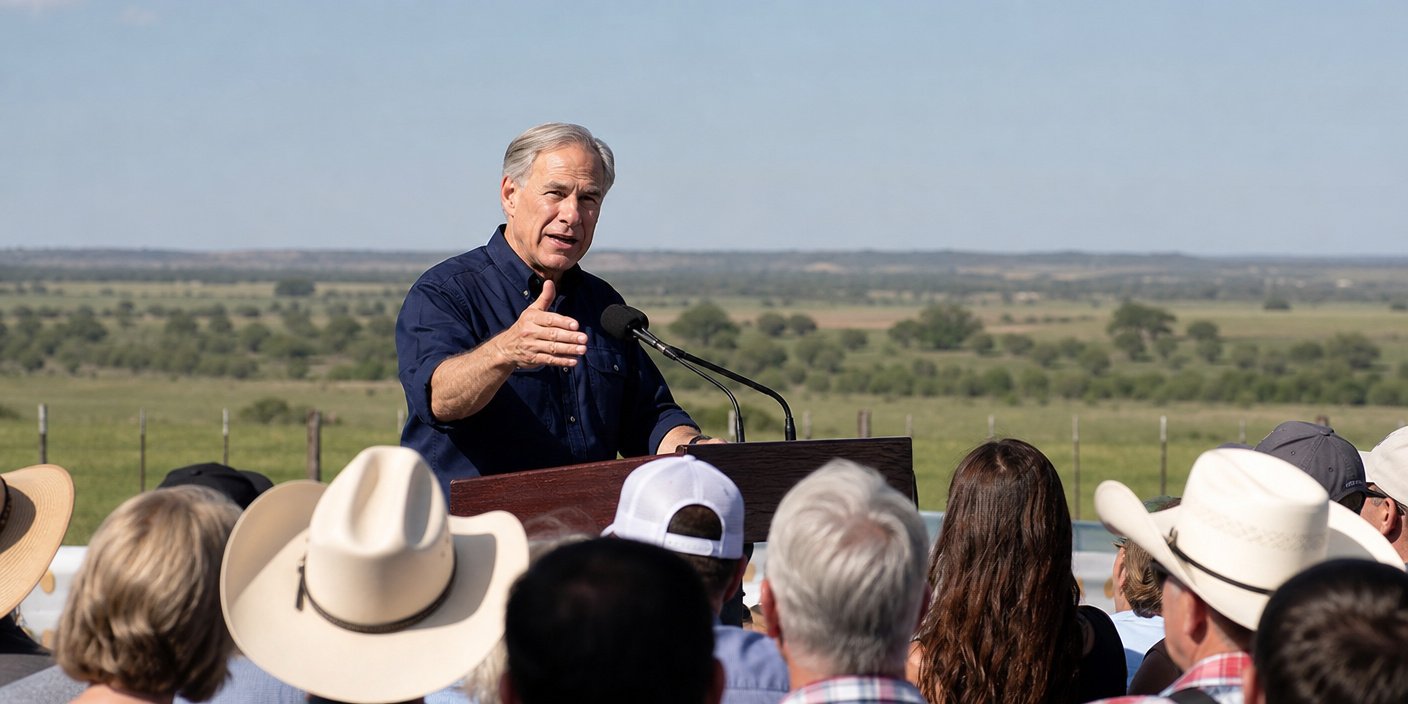
Governor Greg Abbott has intensified his campaign messaging in the final stretch of the gubernatorial race against challenger Gina Hinojosa, issuing a stark ultimatum to his base: a Democratic victory in Texas would not merely shift state policy, but trigger a catastrophic domino effect for the entire nation. By framing the Lone Star State as the definitive “last line of defense” for conservative governance, Abbott is pivoting his strategy toward maximizing voter turnout in Republican strongholds to neutralize what his campaign describes as an unprecedented surge in urban-area engagement.
The National Firewall: Framing the Stakes
Governor Abbott’s rhetoric centers on the premise that Texas acts as an essential stabilizing force for the United States. During recent campaign stops, the Governor has consistently argued that Texas’s current economic, energy, and border security policies serve as a practical counterweight to federal-level shifts. When Abbott warns of the nation should Texas “go blue,” he is articulating a vision where the absence of a conservative-led Texas results in a collapse of the current national economic and energy framework.
This argument is not just aimed at local policy but is a bid to mobilize national interest in the Texas race. By positioning the contest as a critical pivot point for American politics, Abbott hopes to energize conservative voters who might otherwise stay home. The campaign strategy relies on the narrative that Texas is the primary barrier preventing a total ideological realignment of the federal government, placing the state at the epicenter of a broader, existential struggle for the direction of the country.
Economic Stability and Energy Policy
One of the central pillars of Abbott’s warning involves the energy sector. Texas is the largest energy producer in the United States, and Abbott maintains that the state’s policies—which emphasize deregulation and the expansion of oil and gas infrastructure—are integral to the country’s economic vitality. His campaign argues that a transition to a Democratic administration would necessitate a rapid overhaul of these policies, which he claims would lead to skyrocketing utility costs, unreliable energy grids, and a weakening of the American dollar on the global market.
Economic analysts point out that while Texas’s influence on the national energy grid is undeniable, the direct causality between a state-level election and federal energy policy remains a subject of intense debate. However, Abbott’s messaging creates a tangible sense of urgency for voters in the Permian Basin and other industrial regions, where the threat of federal regulatory intervention is viewed as an existential economic risk. The campaign is successfully leveraging these fears to frame the election not as a battle over state school boards or roads, but as a defense of the American industrial engine.
Border Security and Federalism
Perhaps the most volatile component of the Governor’s warnings relates to border security. Abbott has consistently utilized his authority to initiate border enforcement operations that defy standard federal oversight, presenting these actions as essential for national safety. His argument is that should a Democratic governor take the reins, these proactive border measures would cease immediately, potentially leading to a massive, unchecked surge in migration that he claims would overwhelm the existing national infrastructure.
By emphasizing this angle, the campaign has successfully shifted the conversation toward the concept of “State Sovereignty.” Abbott’s team is suggesting that a Democratic Texas would be complicit in the dissolution of national border security. This tactic effectively weaponizes the dissatisfaction many voters feel toward current federal immigration policies, placing the burden of responsibility on the state government to act where the federal government fails. It creates a powerful, if controversial, binary: either Texas maintains its current, aggressive enforcement posture, or the nation experiences the uncontrolled consequences of a policy shift.
Tactical Mobilization in the Final Stretch
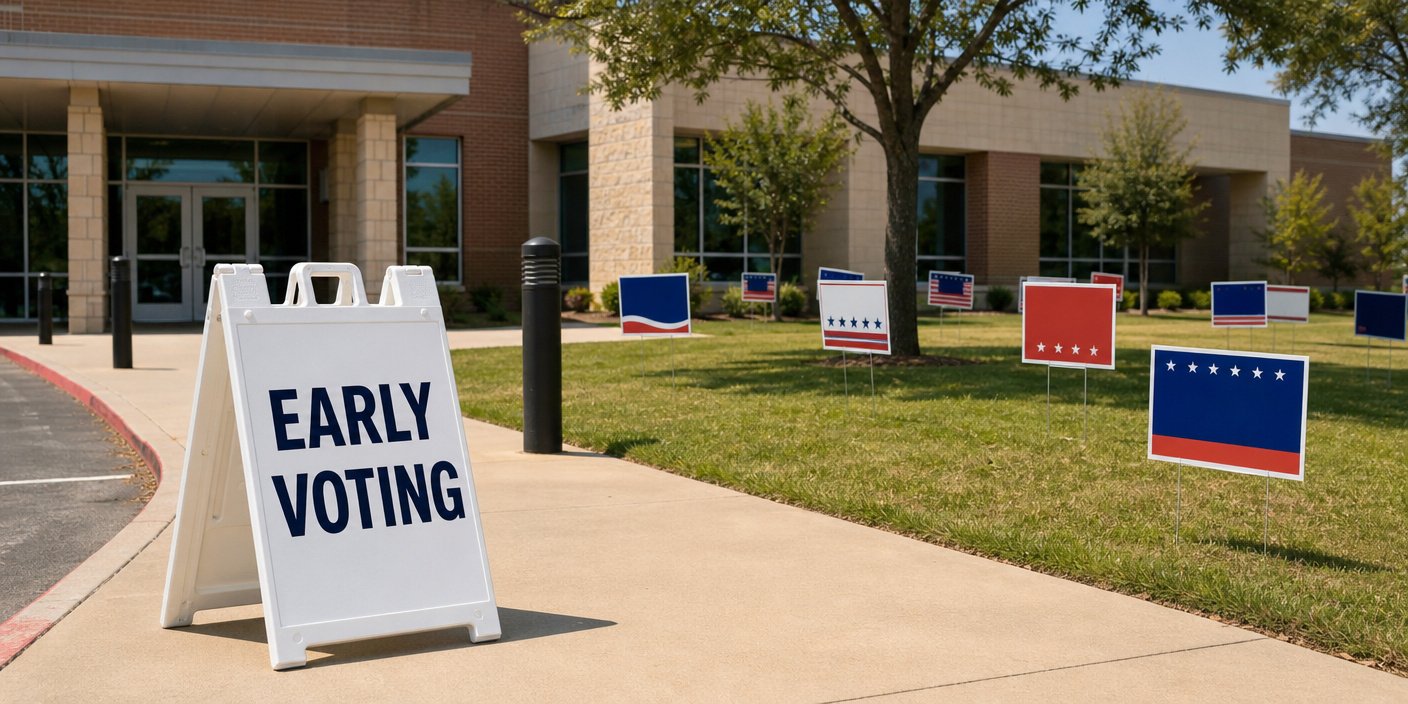
As the campaign approaches its final days, the data shows a tightening race in terms of suburban shifting, prompting a tactical reassessment by the Abbott campaign. The focus has narrowed significantly to the “rural firewall.” The Governor’s team is investing heavily in get-out-the-vote (GOTV) initiatives in historically deep-red counties. The objective is clear: to ensure that the margin of victory in rural areas is large enough to offset any potential loss in the rapidly growing, high-engagement urban and suburban centers where Hinojosa has seen increased momentum.
This “Rural Surge” strategy is designed to combat voter apathy, which remains the greatest threat to an incumbent. By portraying the election as a “national emergency,” the campaign is attempting to turn out voters who would typically skip a midterm or gubernatorial election. The success of this strategy hinges on the narrative that every individual vote cast for the GOP ticket is a defensive maneuver for the security and prosperity of the entire country. As voters head to the polls, the effectiveness of this narrative will be the final test of Abbott’s political influence in a rapidly changing Texas landscape.
FAQ: People Also Ask
1. Why does Gov. Greg Abbott believe Texas has national implications?
Abbott argues that as the largest energy-producing state and a key player in border security, Texas’s policies serve as a necessary counterweight to federal government actions. He asserts that a change in state leadership would eliminate this “firewall,” negatively impacting national energy prices and border control.
2. What is the “Rural Firewall” strategy mentioned in the campaign?
This is a mobilization tactic where the GOP focuses heavily on turning out voters in historically conservative, rural counties. The goal is to generate a massive margin of victory in these areas to counteract the votes the Democratic challenger, Gina Hinojosa, is projected to win in densely populated urban and suburban cities.
3. How does this rhetoric affect the gubernatorial race against Gina Hinojosa?
By framing the election as a national crisis rather than a local one, Abbott aims to boost voter turnout among conservatives. Conversely, Hinojosa has centered her campaign on issues like property taxes, school funding, and healthcare access, attempting to keep the focus on Texas-specific governance rather than national ideological struggles.
4. Is there empirical evidence that Texas going ‘blue’ would affect the nation?
While political scientists debate the direct impact, Texas’s role as a major economic and energy hub makes its legislative decisions significant. Changes in tax or environmental policy in Texas do influence markets and, to a lesser extent, federal policy discussions, though the extent of the “catastrophic” impact described by the campaign is a matter of partisan debate.