After facing intense public scrutiny and logistical failures during its previous iteration in New Braunfels, the ‘In A Pickle Festival’ executed a successful, highly structured comeback in Helotes this past September. The event, which hosted over 150 diverse vendors, prioritized a total overhaul of its operational framework, successfully shifting the narrative from a ‘sour’ experience to a polished community success story. By addressing critical feedback regarding crowd management and venue capacity, organizers have set a new standard for niche festival operations in the Texas region.
From Sour to Sweet: The Logistics of a Turnaround
The most significant change following the New Braunfels controversy was a fundamental shift in location and venue management. The New Braunfels event was plagued by reports of long wait times, inadequate parking, and logistical bottlenecks that frustrated attendees and vendors alike. In contrast, the September debut in Helotes was engineered with a ‘visitor-first’ philosophy.
Infrastructure and Traffic Management
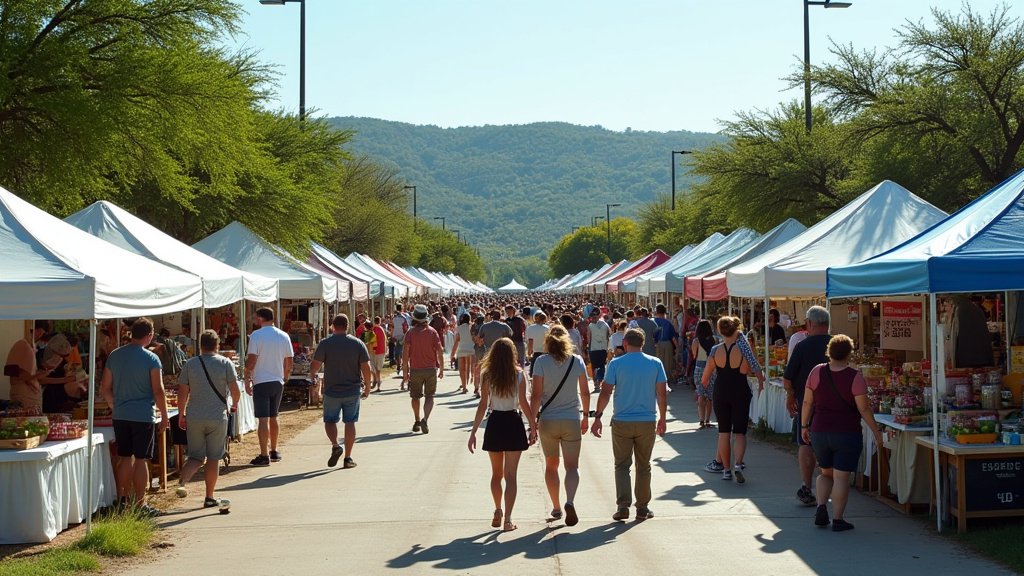
Moving to Helotes allowed organizers to implement a more robust infrastructure plan. Unlike the previous location, which struggled to accommodate the sudden influx of pickle enthusiasts, the Helotes grounds were selected specifically for their ability to manage vehicle flow and pedestrian density. Organizers utilized pre-planned parking zones, enhanced shuttle services, and clearer signage—tactics that effectively prevented the chaotic congestion that defined the previous year. This strategic relocation wasn’t just about finding a bigger field; it was about data-driven crowd control.
The Vendor Experience: Quality Over Quantity
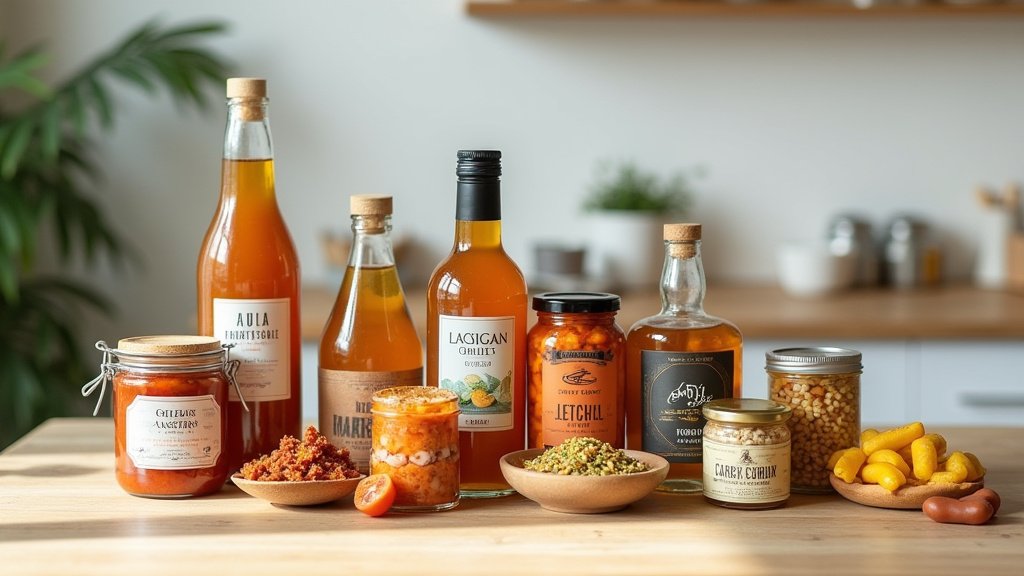
With over 150 vendors participating, the festival underwent a deliberate shift in quality control. Feedback from previous events suggested a disconnect between attendee expectations and vendor reliability. In Helotes, the curation process for vendors was notably more rigorous. By focusing on niche, artisan, and high-quality pickle producers alongside complementary food stalls, the festival ensured that the ‘pickle’ theme remained the focal point rather than becoming diluted. This expansion of the vendor footprint allowed for better traffic flow within the festival grounds, reducing the ‘bottleneck effect’ that had previously caused frustration.
The Economic and Community Impact
The success of the Helotes debut highlights the economic importance of niche, thematic festivals to local Texas economies. When executed correctly, these events do more than just entertain; they serve as a massive boost for local artisans, farmers, and hospitality providers.
Learning from Crisis: The Industry Shift
Small to mid-sized festivals often operate with razor-thin margins and reliance on volunteer staff, which can lead to oversight during peak attendance. The ‘In A Pickle Festival’ has become a case study in how to leverage negative feedback as a blueprint for operational improvement. Instead of folding under pressure, the organizers doubled down on transparency, communicating changes to the public months in advance. This communication strategy played a vital role in rebuilding trust.
Future Predictions: Technology and Scalability
Looking ahead, the organizers have hinted that technology will play a larger role in future iterations. We anticipate the adoption of mobile ticketing apps, real-time crowd density sensors, and digital maps to further refine the attendee experience. As the festival grows, the challenge will be to maintain the intimate, community-focused ‘pickle’ culture while scaling up to meet increased demand. The Helotes event proved that growth is possible, provided the logistical foundation is sturdy enough to support it.
FAQ: People Also Ask
Why did the In A Pickle Festival move from New Braunfels?
The move was primarily driven by the need for better venue infrastructure. New Braunfels faced challenges with parking, traffic control, and crowd flow during the previous event. Helotes offered a more suitable space to implement a controlled, attendee-friendly logistics plan.
What were the specific ‘backlash’ issues from the previous year?
Attendees and vendors reported significant issues with long wait times, insufficient parking, overcrowding that impeded safety and comfort, and poor vendor placement, which negatively impacted the overall festival atmosphere.
How did the Helotes event handle the crowds differently?
Organizers implemented a pre-planned parking strategy, improved signage, and optimized the layout to distribute crowds more evenly across the festival grounds, significantly reducing the density issues seen in the previous year.
Is the festival expected to return to Helotes?
Given the positive reception and successful execution in September, it is highly likely that Helotes will serve as the anchor for future iterations of the festival, though organizers have not yet released official dates for next year.