
Labor Day has officially marked the commencement of the 2026 general election season, signaling a two-month sprint toward Election Day. In Texas, the political landscape is undergoing a profound transformation, characterized by intensified Democratic enthusiasm and the pervasive influence of the Trump administration’s second-term agenda. As the state moves from the sleepy doldrums of summer into the high-octane environment of a general election, the focus has shifted sharply toward traditionally conservative regions that are no longer guaranteed outcomes for the Republican ticket.
Key Highlights
- Labor Day Launch: The unofficial start of the campaign season has triggered a surge in localized political activity across Texas, with only 60 days remaining until polls close.
- Shifting Landscapes: Historically solid-red districts are facing unprecedented challenges as suburban demographics continue to evolve, testing the resilience of Republican strongholds.
- Trump Administration Influence: The ongoing policy initiatives of the second Trump administration have become the central axis around which both Democratic and Republican campaigns are currently pivoting.
- Mobilization Metrics: Increased voter engagement, driven by grassroots organizing in urban centers and expanding into key suburban counties, is a critical variable in this cycle.
The Shifting Texas Battlefield
The 2026 midterm election in Texas represents more than just a routine legislative or gubernatorial evaluation; it is a stress test for the political infrastructure of the Lone Star State. As the Labor Day milestone passes, political analysts are closely monitoring shifts in voter sentiment that suggest a deviation from the established patterns of the last decade. The narrative of a monolithic Texas, once dominated by unwavering conservative allegiance, is being challenged by a complex interplay of demographic shifts and reactionary political responses.
The Impact of the Trump Second-Term Agenda
Central to this cycle is the legacy and ongoing implementation of the Trump administration’s second-term policy agenda. Unlike typical midterm cycles that often focus heavily on localized issues, the 2026 race in Texas is inextricably linked to the national administration’s directives. Republican candidates find themselves in a delicate position: they must balance the need to appeal to a base that supports the administration’s legislative accomplishments with the imperative to address concerns from independent and moderate voters who have expressed fatigue with the current national trajectory.
Conversely, the Democratic strategy has consolidated around highlighting the tangible effects of these policies within Texas borders. From trade agreements affecting the agricultural sector to energy policies that impact the state’s massive oil and gas industry, the administration’s platform is being treated by opposition campaigns as a referendum on state prosperity. The result is a highly polarized environment where every policy announcement from the White House is immediately scrutinized for its implications on the upcoming Texas ballot.
Economic Catalysts and Suburban Realignment
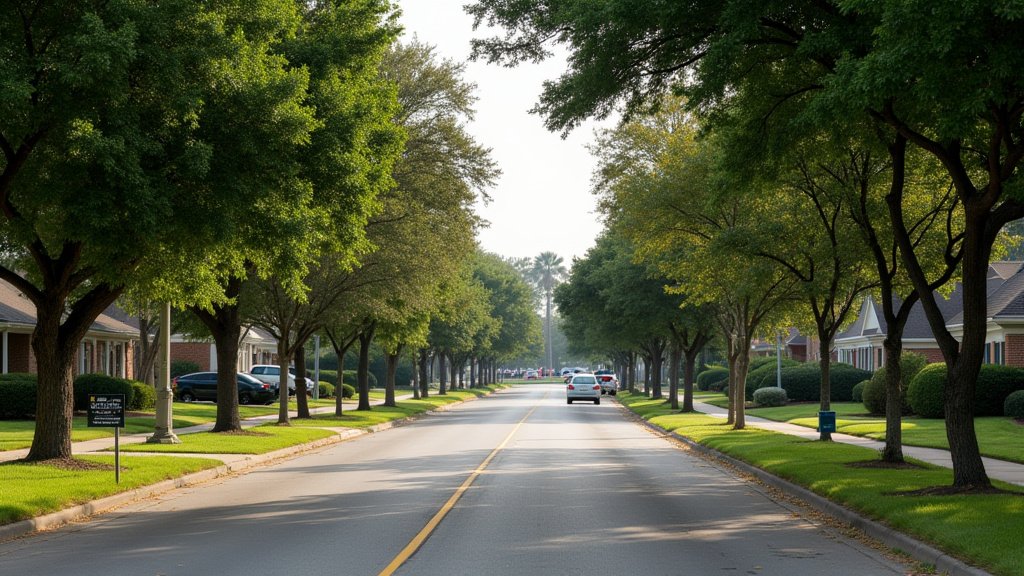
Perhaps the most significant factor contributing to the shifting landscape is the economic realignment of Texas suburbs. As urban centers become saturated, the influx of residents into suburban and exurban areas has brought with it a more diverse set of political expectations. These suburban voters are prioritizing issues such as infrastructure investment, quality of education, and healthcare accessibility—themes that have traditionally been Democratic staples but are now cutting across party lines.
Republican incumbents, long secure in these districts, are finding that the ‘safe’ margins of the past are eroding. The challenge for these candidates is to frame the current economic climate—often cited as a hallmark of the Trump administration’s success—in a way that resonates with suburban households that are simultaneously grappling with rising costs and changing lifestyle demands. The ‘Texas Miracle,’ once the primary talking point for the state GOP, is being re-evaluated by voters through a more cautious, pragmatic lens.
The 60-Day Sprint: Strategy and Mobilization
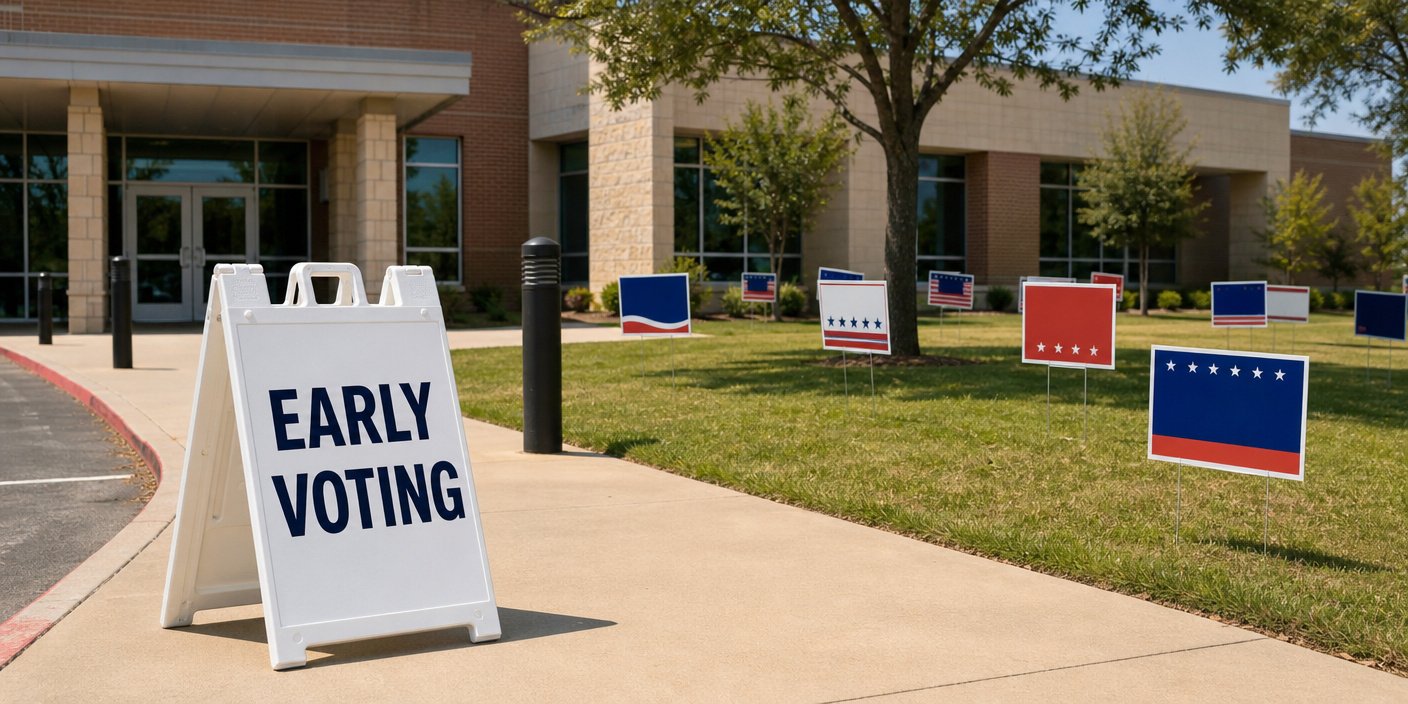
As the clock ticks down toward the election, the ground game has become the paramount focus. Both parties are deploying unprecedented resources into digital mobilization and early-voting initiatives. The Democratic party’s ‘enthusiasm gap,’ which has been a persistent issue in previous cycles, appears to be narrowing, driven by a highly motivated donor base and sophisticated get-out-the-vote (GOTV) technology.
Simultaneously, the Republican apparatus is countering with a ‘defensive firewall’ strategy. This involves heavily prioritizing the protection of incumbent seats in vulnerable districts through aggressive campaign spending and direct-mail initiatives that emphasize local party unity. The next eight weeks will be defined by which party can more effectively convert this heightened political energy into actual ballot-box participation. In Texas, where early voting is a significant component of the total tally, the battle for the minds of voters is effectively happening in the here and now, not just on Election Day.
FAQ: People Also Ask
Q: Why is Texas being viewed as a competitive state in this midterm?
A: Demographic shifts, combined with suburban voter realignment and increased Democratic turnout in traditionally conservative strongholds, have made Texas more competitive than in previous election cycles.
Q: How does the Trump administration’s policy agenda affect Texas races?
A: The administration’s policies regarding energy, trade, and national economic management serve as a polarizing focal point for candidates, forcing them to either embrace or distance themselves from the current administration’s platform.
Q: What is the significance of the 60-day window following Labor Day?
A: Historically, the period between Labor Day and Election Day is when undecided voters begin to pay closer attention, media spending accelerates, and candidates shift from base-mobilization to broader voter-persuasion tactics.
Q: Are there specific regions in Texas to watch?
A: Yes, the suburban belts surrounding major metropolitan areas—specifically those in the Dallas-Fort Worth, Houston, and Austin corridors—are considered the primary bellwethers for this election’s outcome.