As the calendar hits September 5, 2026, the temperature in the Lone Star State may be cooling, but the gridiron intensity is reaching a boiling point. College football fans across the country are zeroing in on Texas as the epicenter of Week 1 action, where the cultural rhythm of the state converges with high-stakes athletic performance. With major programs facing crucial tests early in the season, the narrative for the remainder of the 2026 campaign is being written in real-time, underscored by the massive spectacle of the Texas State visiting the University of Texas matchup.
Key Highlights
- The Epicenter of Action: Texas football captures the national spotlight this week, solidifying the state’s position as the primary driver of the college sports economy and cultural engagement.
- The UT-Texas State Clash: The high-profile matchup between the Texas Longhorns and the Texas State Bobcats serves as a benchmark for regional dominance and early-season momentum.
- Strategic Benchmarking: Coaches are utilizing this opening week not just to secure wins, but to stress-test new rosters and tactical shifts under the intense scrutiny of a high-pressure opening environment.
The Gridiron Powerhouse: Why Texas Sets the Pace
There is a palpable shift in the college football landscape as we enter the first full week of September 2026. Texas football has evolved beyond a collegiate pastime; it is now a massive economic engine and a primary influencer of media rights values. This year, the focus intensifies on how Texas programs, from Austin to regional powerhouses, manage the transition from the preseason hype cycle to the cold reality of the scoreboard.
The Tactical Assessment of Week 1
Week 1 is rarely just about the final score; it is a laboratory for coaching staffs. As the University of Texas prepares for its bout with Texas State, the tactical focus is on efficiency. For the Longhorns, the objective is to assert dominance without revealing the depths of their playbook too early in the season. Conversely, Texas State enters the fray looking to leverage a “giant-killer” mentality, a narrative that has historically fueled underdogs in this region.
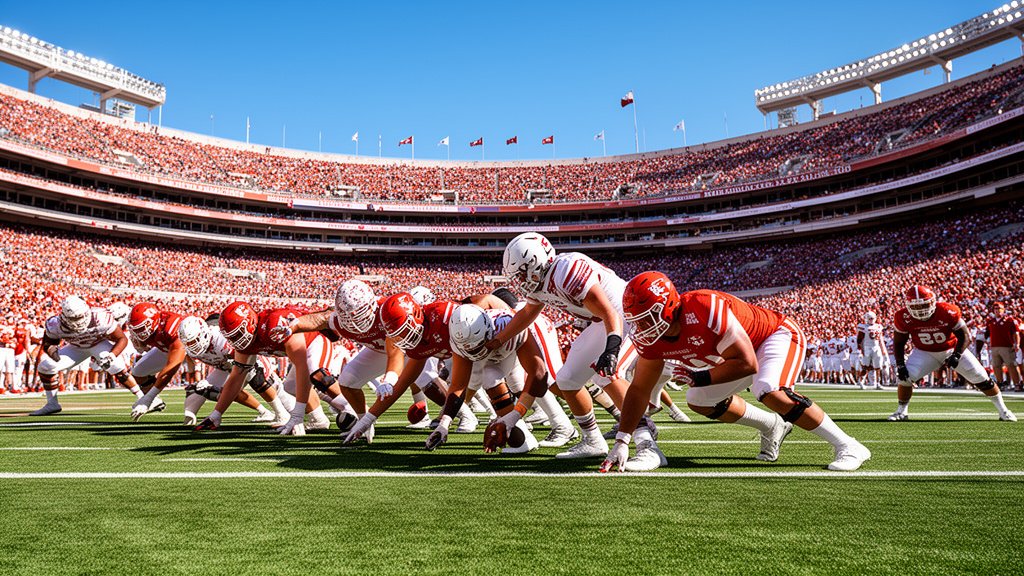
Analysts are watching the line of scrimmage closely. The 2026 season has seen a shift toward more complex, hybrid defensive schemes, and this week’s matchups will demonstrate how well these new units communicate under fire. With advanced wearable technology integrated into practice routines, the fatigue metrics for these opening games are being monitored more closely than ever before, ensuring that stamina doesn’t become the deciding factor in the fourth quarter.
The Recruiting Pipeline and Long-Term Strategy
One cannot discuss the Texas football dominance without addressing the recruiting pipeline. The state remains the most fertile ground for high-school talent in the nation. Programs that succeed in the first two weeks of September often see a measurable “bounce” in recruiting interest. High school prospects from across the region are watching these matchups not just to see who wins, but to evaluate the culture, the coaching environment, and the utilization of NIL (Name, Image, Likeness) opportunities within the program.
By establishing an early lead in Week 1, schools like Texas effectively signal to recruits that they are the safest, most lucrative, and most competitive destination for their future development. This creates a compounding effect: winning early leads to better recruiting classes, which reinforces the winning culture for subsequent years. It is a virtuous cycle that Texas programs have mastered with clinical precision.
The Economic and Cultural Footprint
Beyond the hash marks, the impact of these games is profound. Local economies see a massive influx of capital during kickoff weekend. From hotel occupancy rates in Austin to increased foot traffic in San Marcos, the financial ripple effects of a high-profile home game are significant. Estimates suggest that a single high-profile home opener can generate upwards of $15-20 million in direct and indirect economic activity for the surrounding metropolitan area.
Culturally, these games act as a unifying force. On a September Saturday, the socioeconomic divide is bridged by a shared allegiance to the home team. The spectacle—tailgating, local media coverage, and the shared anxiety of a close game—reinforces the identity of Texas as a football-first state. As we move through the 2026 season, the performance of these Texas programs will continue to dictate the national conversation, cementing the state’s status as the true heartbeat of collegiate athletics.
FAQ: People Also Ask
Q: Why is Texas football considered the ‘pace-setter’ for the 2026 season?
A: Texas combines the highest density of elite talent with massive media attention. When Texas programs perform well in Week 1, it sets the tone for the national rankings and dictates the media narrative for the entire country.
Q: What is the significance of the Texas State vs. University of Texas matchup?
A: This matchup highlights the competitive landscape between established “blue blood” programs and ascending regional programs. It’s a vital test for coaching innovation and serves as a barometer for how top-tier teams handle expectations against hungry, tactical opponents.
Q: How do Week 1 games impact the rest of the 2026 college football season?
A: Week 1 games serve as a data point for rankings committees. A strong performance can vault a team into the Top 25 conversation, while an early stumble can create a difficult uphill battle for teams attempting to qualify for the expanded playoff format later in the year.