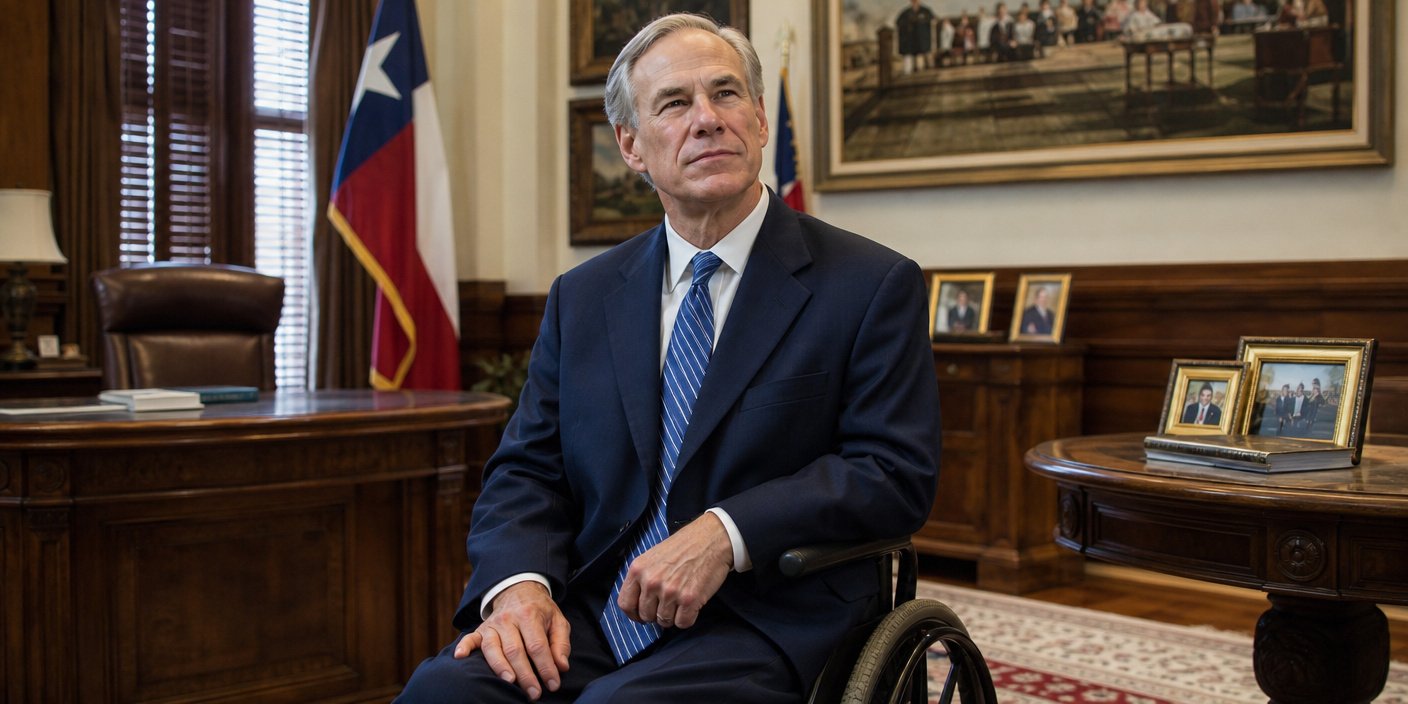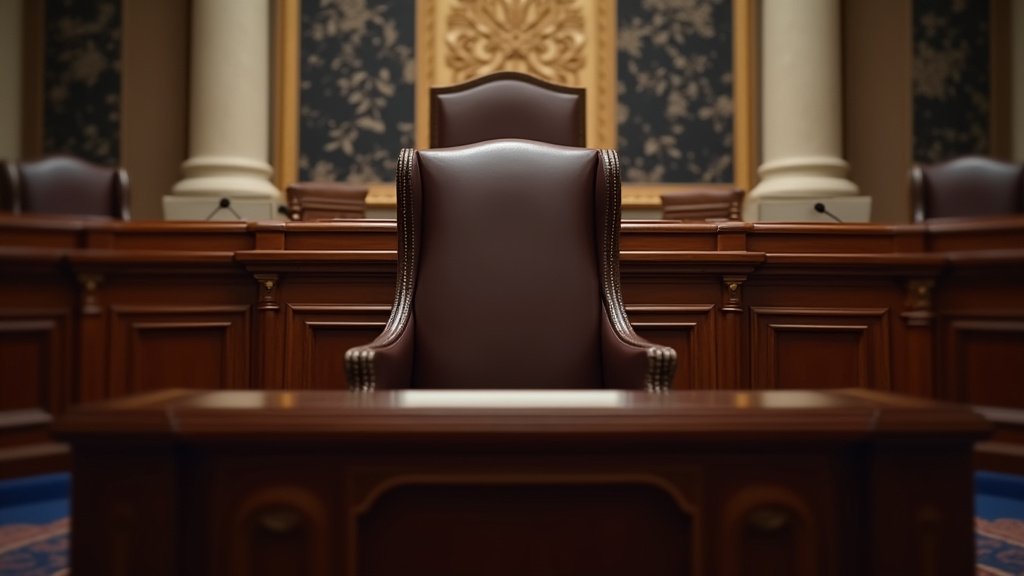
The halls of the U.S. House of Representatives are currently echoing with the silence of nearly one million Texans. Following the departure of former Representative Tony Gonzales, the seat representing this significant swathe of the Lone Star State remains vacant. Governor Greg Abbott has yet to call a special election to fill the post, a decision that has effectively disenfranchised a massive population, leaving them without a voting member in Congress to advocate for their interests during critical legislative sessions.
The Anatomy of a Legislative Vacuum
When a Congressional seat sits empty, the implications for the district are not merely symbolic—they are profoundly practical. In the American democratic framework, a Representative is the primary conduit between federal resources and local needs. For the nearly one million constituents now without representation, the impact is immediate. Without an incumbent, there is no one to cast votes on federal appropriations, no one to sponsor bills that address local infrastructure or healthcare needs, and, perhaps most critically, no one to oversee the vital casework that often bridges the gap between citizens and federal agencies.
This legislative vacuum creates a period of administrative paralysis. While senior staff members often remain to handle basic constituent inquiries, they lack the legal authority and the procedural power to vote on the floor of the House or in committee. This means that for every bill currently under debate—whether it concerns national defense, tax reform, or agricultural subsidies—this specific district has zero leverage. The constituents are effectively sidelined, watching the federal machinery grind on without a hand on the lever to steer or stall it in their favor.
Governor Abbott’s Authority and the Delay
Under Texas state law and the broader guidelines of the U.S. Constitution, the Governor holds the sole authority to call a special election to fill a vacancy in the House of Representatives. While this authority is intended to ensure continuity, it also provides the executive branch with significant latitude regarding the timeline. Governor Abbott’s decision to withhold a special election call in the wake of the Tony Gonzales vacancy has sparked fierce debate among constitutional scholars and local advocates alike.
Critics argue that the delay undermines the fundamental principle of ‘no taxation without representation.’ Proponents of a swift election argue that even a temporary vacancy of a few months is an unacceptable disruption to the democratic process. Conversely, the Governor’s office has historically maintained that the timing of such elections requires careful consideration, weighing the administrative burden and costs of holding a standalone election against the duration of the remaining term. However, when the span of the vacancy threatens to disenfranchise nearly one million people for an extended duration, the scale of the impact suggests that administrative convenience should not override the requirement for political representation.
The Ripple Effect on District Services
Beyond the high-profile arena of legislative voting, the loss of a sitting Representative results in a tangible decline in district-level services. Federal casework is a cornerstone of the Representative’s role, assisting constituents with Social Security issues, veterans’ benefits, passport delays, and federal grant applications. When a seat becomes vacant, these services are often relegated to a ‘caretaker’ status. This caretaker arrangement is rarely a perfect substitute; it is, by definition, a holding pattern. The inability to initiate new, aggressive advocacy for federal funding—or to lobby federal departments directly with the weight of an elected official behind them—can leave municipalities within the district scrambling for resources that would otherwise be secured through standard legislative channels.
For a district of this size, the economic implications are substantial. Millions of dollars in federal grants and project earmarks can hang in the balance, dependent on the proactive engagement of a sitting member of Congress. The absence of a Representative creates a ‘dead zone’ where opportunities for economic development are paused, potentially delaying projects that are critical to the district’s infrastructure, public health, and local education systems.
The Broader Political Landscape
This situation highlights the precarious nature of reliance on gubernatorial discretion in federal succession planning. It raises an uncomfortable question for the state of Texas: at what point does the delay in calling an election cross the line from executive management into a violation of democratic norms? As the vacancy persists, pressure is mounting from civic organizations and local leaders who are calling for immediate action. The situation serves as a stark reminder that in our representative republic, the ‘representative’ part of the equation is not optional; it is the essential mechanism through which the voice of the people is heard in Washington. As the clock ticks, nearly a million Texans remain in a state of political suspension, waiting for the Governor to restore their connection to the federal government.