

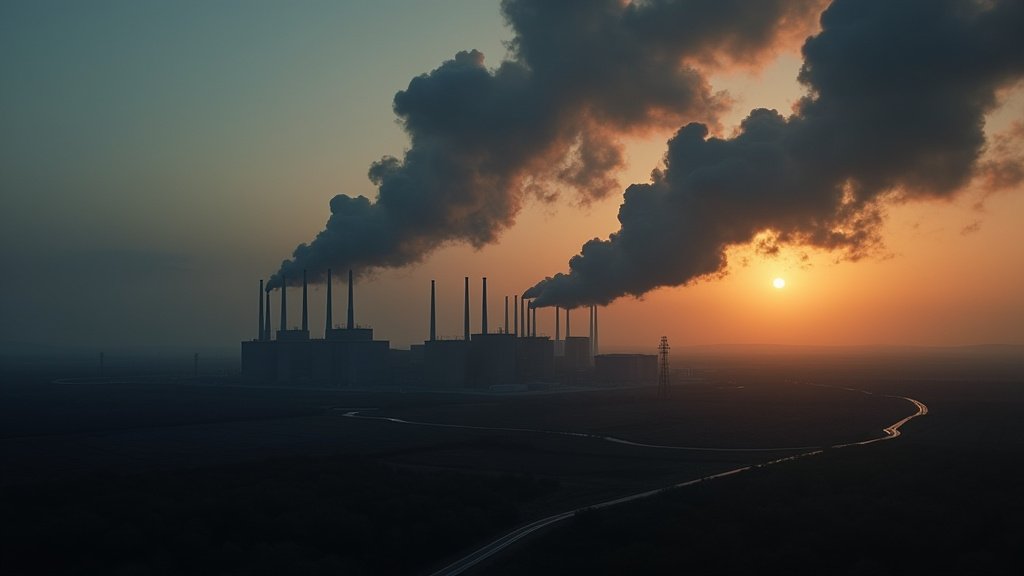
Texas regulators are permitting hundreds of new pollution sources for data centers across the state with alarming speed and a distinct lack of public scrutiny or environmental reviews. This widespread approval allows for the construction and operation of numerous “behind the meter” gas plants, which power these energy-intensive facilities. The environmental implications are staggering, with available permits indicating that just nine of these planned data centers could collectively emit over 130 million tons of greenhouse gases annually. This figure is comparable to the emissions generated by 35 new coal-fired power plants, highlighting a significant and rapidly escalating threat to climate stability.
Beyond the “behind the meter” plants, Texas regulators have also sanctioned more than 2,000 backup diesel generators for dozens of data centers since 2024. These generators, while ostensibly for emergencies, are frequently operated for routine testing and maintenance, contributing to ongoing air pollution without adequate public input or comprehensive environmental impact assessments. The scale of these approvals and the limited oversight suggest a potential regulatory blind spot regarding the cumulative environmental cost of Texas’s booming data center industry.
The Scale of the Emissions Threat
Unprecedented Greenhouse Gas Potential
The sheer volume of greenhouse gases projected from these data center energy sources is a primary concern. With nine facilities alone slated to emit over 130 million tons of greenhouse gases each year, the cumulative impact represents a significant addition to global emissions. This scale of pollution is not a minor increase; it is equivalent to the output of 35 large coal-fired power plants, underscoring the profound environmental consequences of unchecked data center expansion. The primary greenhouse gas of concern from natural gas combustion is carbon dioxide (CO2), a potent contributor to climate change.
The Role of “Behind the Meter” Power Plants
Data centers, by their nature, are massive consumers of electricity, requiring constant and reliable power to operate servers and cooling systems. To ensure uninterrupted service and to potentially circumvent grid limitations or high energy costs, many companies are opting to build their own on-site power generation facilities. These “behind the meter” plants, predominantly fueled by natural gas, allow data centers to generate their own electricity. While this offers operational advantages for the companies, it shifts the environmental burden from the grid to the immediate vicinity of the data center, often with less stringent regulatory oversight than traditional power plants.
Backup Generators: An Underestimated Contributor
The more than 2,000 backup diesel generators approved since 2024 represent another layer of environmental concern. Although designated for emergency use, the practice of routine testing and maintenance means these generators are running regularly. Diesel emissions contain particulate matter, nitrogen oxides, and other pollutants harmful to air quality and public health, in addition to greenhouse gases. The lack of public review for these generator permits means communities may be unaware of the cumulative air quality impacts in their areas.
Regulatory Oversight and Public Scrutiny
The Absence of Environmental Reviews
A critical aspect of this issue is the apparent bypass of traditional environmental review processes. The source data indicates that Texas regulators are allowing these new pollution sources to come online “with no public notice or environmental reviews.” This approach is particularly problematic for cumulative impacts, where the effect of multiple individual projects, each seemingly minor on its own, can become significant when taken together. Environmental impact statements (EIS) are standard in many jurisdictions for projects of this scale, providing a mechanism for public input and a thorough assessment of potential harm.
Data Centers and Energy Demand
The exponential growth of data, artificial intelligence, and cloud computing has fueled an unprecedented demand for data centers. These facilities are the physical backbone of the digital world, housing the servers that store and process information. However, their immense energy requirements, and consequently their carbon footprint, are becoming a focal point for environmental advocates and regulators. Texas, with its favorable business climate and abundant land, has become a major hub for data center development, amplifying the environmental challenges.
The Future of Data Center Emissions
As the demand for data continues to soar, so too will the need for data center infrastructure. Without stronger regulatory frameworks and a commitment to renewable energy sources for power generation, the emissions from these facilities could escalate dramatically. Industry experts and environmental groups are increasingly calling for greater transparency, more robust environmental impact assessments, and incentives for data centers to utilize renewable energy and implement energy efficiency measures. The decisions made today by Texas regulators will have long-lasting implications for the state’s air quality and its contribution to global climate change.
FAQ: People Also Ask
What are “behind the meter” gas plants?
“Behind the meter” gas plants are power generation facilities built and operated by a facility (in this case, a data center) on its own property to supply its electricity needs directly. The “meter” refers to the utility’s meter that measures electricity consumption from the grid. By generating their own power, these facilities are essentially managing their energy supply independently of the main utility grid for their primary needs.
Why are data centers so energy-intensive?
Data centers require massive amounts of electricity to power thousands of servers that process and store data, as well as sophisticated cooling systems to prevent overheating. The continuous operation of these components, coupled with the need for high reliability, results in exceptionally high energy consumption per square foot compared to most commercial buildings.
How do data centers impact the environment?
Data centers impact the environment primarily through their significant electricity consumption, which often relies on fossil fuels, leading to greenhouse gas emissions and contributing to climate change. They also consume large amounts of water for cooling systems and can contribute to local air pollution and waste generation.
What are the main greenhouse gases emitted by data centers?
The primary greenhouse gas emitted from the operation of data centers, particularly from their power sources like natural gas plants and diesel generators, is carbon dioxide (CO2). Methane (CH4) can also be released during natural gas extraction and transport, and it is a more potent greenhouse gas than CO2 over shorter time scales. Emissions of nitrous oxide (N2O) can also occur from combustion processes.
What is being done to mitigate the environmental impact of data centers?
Mitigation efforts include increasing energy efficiency within data centers, utilizing renewable energy sources (solar, wind) for power, exploring innovative cooling technologies that reduce water and energy use, and advocating for stronger regulatory oversight regarding emissions and environmental reviews. Some companies are also investing in carbon capture technologies, though these are not yet widely deployed at data center facilities.