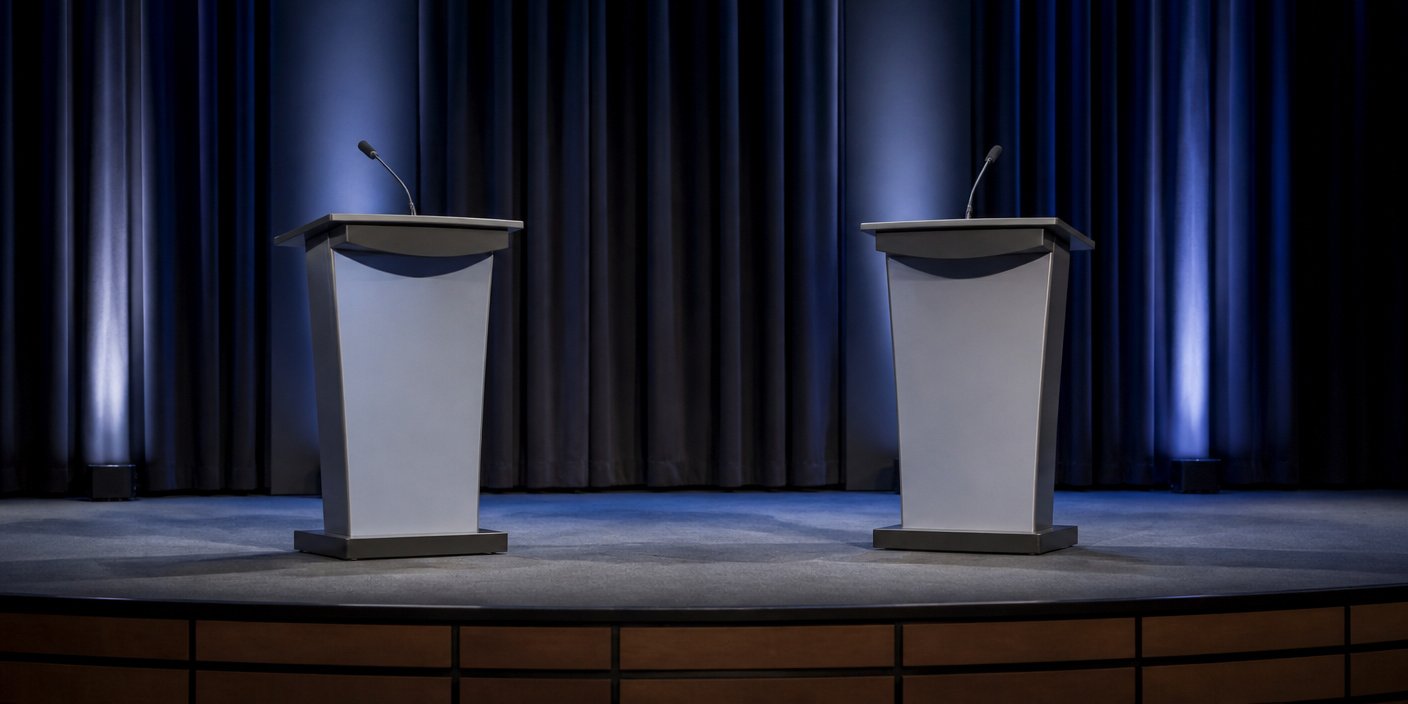
Attorney General Ken Paxton has officially committed to debating his opponent, James Talarico, in the Texas U.S. Senate race, signaling a major turn in the campaign and providing voters with an opportunity to see the candidates square off. This confirmation ends weeks of speculation regarding whether both camps would agree to a public forum, effectively setting the stage for one of the most anticipated political confrontations of the election cycle. By stepping onto the debate platform, Paxton has shifted the narrative from ad-campaign messaging to a direct, real-time assessment of policy and leadership capability.
Key Highlights
- Debate Confirmation: Ken Paxton’s campaign has explicitly confirmed his participation in a debate against challenger James Talarico.
- Strategic Pivot: The decision marks a significant change in campaign tactics, opting for direct engagement over digital-only messaging.
- Voter Access: The event provides a crucial opportunity for undecided Texas voters to compare platforms side-by-side in a controlled, live format.
- Election Impact: Analysts suggest the debate could become the definitive “make or break” moment for both campaigns as the election date approaches.
The Path to the Debate Podium
The confirmation that Ken Paxton will face off against James Talarico is more than just a scheduling announcement; it is a tactical pivot in a high-stakes campaign for the Texas U.S. Senate seat. Historically, incumbent politicians have been increasingly selective about their public appearances, often favoring curated social media interactions and press releases over the unpredictable nature of live debates. Paxton’s decision to commit to this forum suggests a calculated move to solidify his base while potentially appealing to a broader spectrum of the Texas electorate that has been demanding more transparency and direct access to their prospective representatives.
For the Talarico campaign, this development is a substantial victory. Debates act as an equalizer, allowing a challenger to gain exposure and challenge the status quo directly on the same stage as an incumbent. By securing this commitment, Talarico gains a platform to articulate his policy positions without the filters of paid media, effectively forcing a comparative analysis that favors a more engaged, proactive discussion on the issues facing Texas.
Defining the Issues: What to Expect
While the exact format and moderators for the debate are still being finalized, the core topics are expected to mirror the prevailing anxieties of the Texas voter base. Economic resilience, border security, healthcare access, and the overarching role of the federal government in state affairs are anticipated to be the primary battlegrounds.
Paxton’s strategy will likely focus on his record as Attorney General, emphasizing his tenure in state leadership as a qualification for higher office. Conversely, Talarico is expected to utilize the time to scrutinize Paxton’s past decisions, framing his own platform as the necessary evolution for a changing state. The juxtaposition of these two narratives will provide the clearest view voters have had all cycle into how each candidate plans to represent Texas in the U.S. Senate.
The Mechanics of Engagement
Modern political debates are as much about performance and “soundbite” strategy as they are about policy depth. In an era dominated by 30-second video clips and social media echo chambers, the long-form format of a live debate offers a different challenge. It requires a stamina and responsiveness that is rarely tested on the campaign trail. For political strategists, the risk inherent in such an event is high—a single slip or a misinterpreted phrase can be amplified rapidly across digital platforms.
However, the reward is equally significant. A strong performance can galvanize supporters and capture the attention of “low-information” voters who typically tune into the election cycle only when the intensity peaks. This debate will likely serve as the primary catalyst for polling shifts in the final weeks leading up to the election, as it represents the most tangible, unscripted interaction voters will witness.
Secondary Angles: The Broader Implications
1. The Future of Texas Political Discourse: This debate could establish a new precedent for Texas Senate races. If the event garners high viewership, it may compel future candidates to accept debate invitations earlier in the campaign, fearing the political cost of appearing “afraid” of scrutiny.
2. Digital vs. Traditional Reach: By agreeing to this debate, the Paxton campaign is effectively acknowledging that while digital outreach is vital, traditional broadcast media still commands an unparalleled authority in establishing candidate legitimacy.
3. Economic Policy Divergence: Beyond the headlines, the debate will likely force a granular discussion on fiscal policy. Texas, being an economic powerhouse, requires a Senate representative capable of navigating complex federal-state funding mechanisms, and this debate will be the first public examination of each candidate’s economic roadmap.
FAQ: People Also Ask
Q: Why is this debate considered a turning point in the race?
A: Debates offer the rare opportunity for voters to see candidates in an unscripted, high-pressure environment. For the Texas U.S. Senate race, it breaks the pattern of one-way communication, forcing direct accountability on key issues.
Q: Will the debate significantly alter the current polling?
A: Historically, debates rarely cause massive swings, but in a tight race, even a small shift in undecided voter sentiment—driven by a standout performance or a major gaffe—can be decisive.
Q: What are the primary topics likely to be covered?
A: While not officially released, observers expect the discussion to center heavily on border security, state-federal relations, the Texas economy, and the candidates’ specific records.
Q: How does this impact the campaign strategies of both candidates?
A: Paxton likely aims to project stability and executive experience, while Talarico will likely focus on contrasting his vision with Paxton’s record, hoping to capture independent voters looking for change.