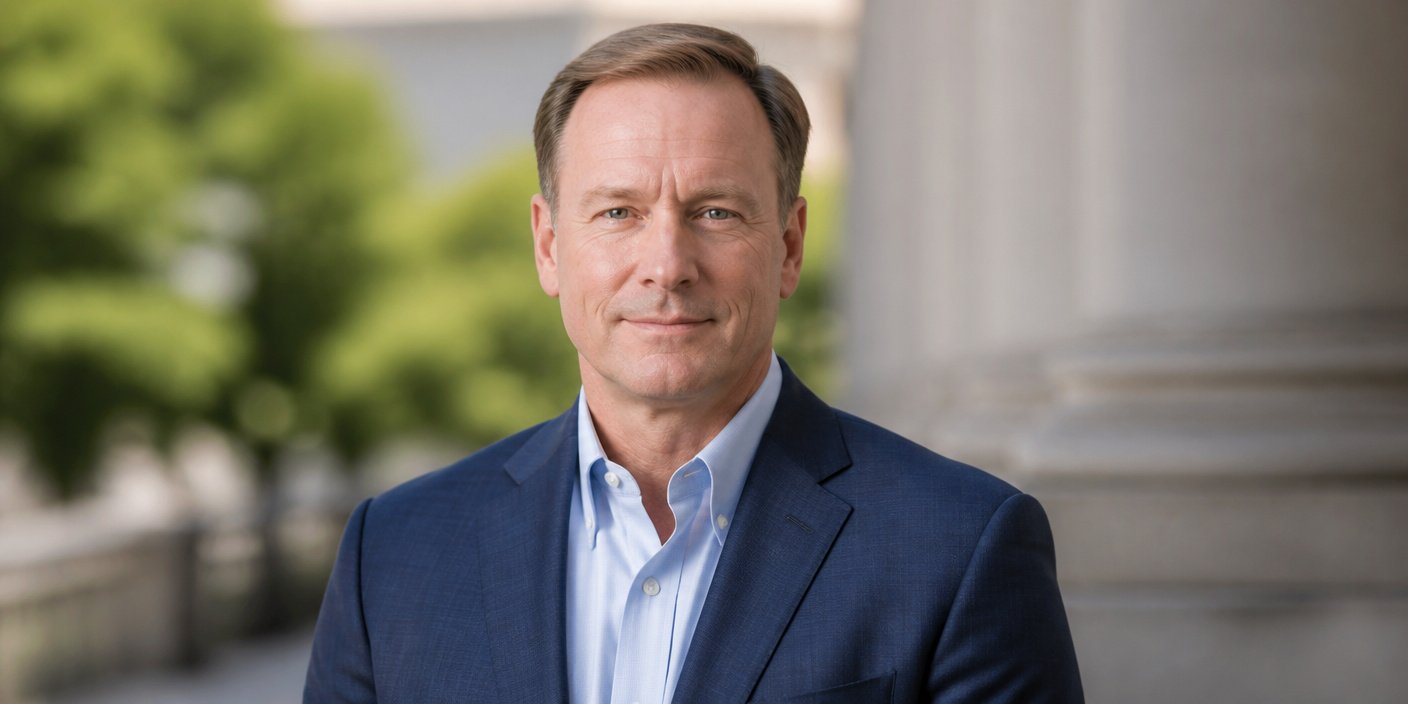


The landscape of collegiate basketball coaching is shifting rapidly, but in Cedar Falls, Iowa, the University of Northern Iowa (UNI) has opted for a familiar hand to steady the wheel. Kyle Green, a veteran with over three decades of coaching experience, has been officially named the 26th head coach of the UNI men’s basketball program. For a program built on decades of consistency and high-level performance, the decision to hire Green is more than a routine administrative update—it is an explicit statement of intent to honor the past while navigating the volatile future of the NCAA.
Key Highlights
- Legacy Succession: Kyle Green returns to UNI, where he previously served as an assistant coach for 16 seasons, directly succeeding the successful tenure of Ben Jacobson.
- Strategic Continuity: Athletic Director Megan Franklin emphasized the hire as a move to sustain the winning culture established by Hall of Fame coaches, including Eldon Miller and Greg McDermott.
- Modern Challenges: Green steps into the role during a period of massive upheaval in college athletics, tasked with managing NIL (Name, Image, and Likeness) complexities and a highly active transfer portal environment.
- High-Stakes Vision: The new head coach has explicitly committed to “carrying the torch forward,” referencing the weight of expectation that accompanies the Panther basketball brand.
A Return to the Roots of Panther Basketball
When a university program faces a coaching transition, the choice often falls between radical reinvention or structural preservation. In appointing Kyle Green, the University of Northern Iowa has firmly chosen the latter. Green is not merely an external hire; he is an institutional pillar. His history at UNI, spanning over 30 years across multiple NCAA divisions, creates a seamless bridge between the program’s storied history and its immediate future.
The Anatomy of a Legacy Hire
Success in mid-major college basketball is notoriously difficult to replicate once a long-term coach departs. The departure of Ben Jacobson—a figure synonymous with UNI basketball—left a vacuum that required a delicate solution. Green, who contributed to over 300 Panther victories during his previous 16-season tenure as an assistant, possesses the institutional knowledge that an external candidate would require years to accumulate. This hire minimizes the “learning curve” often associated with new leadership. He understands the recruiting footprint, the expectations of the community, and the nuanced culture that makes UNI unique in the Missouri Valley Conference (MVC).
The Tactical Philosophy
Green’s tactical background is well-documented. Having spent the last five years as an assistant at Iowa State under T.J. Otzelberger, he brings back a defensive-minded philosophy that emphasizes discipline, efficiency, and grit. During his tenure at Iowa State, the Cyclones were consistently ranked among the top-25 teams in scoring defense. For a UNI program that has historically prided itself on being “tougher” and more “prepared” than its opponents, Green’s defensive pedigree is a natural fit. The strategy is clear: return to the defensive identity that forced opponents into uncomfortable shooting nights and controlled the tempo of the game.
Navigating the NIL and Portal Era
Perhaps the most pressing challenge Green will face is not on the hardwood, but in the administration of the roster. The current NCAA landscape, defined by the transfer portal and NIL incentives, has made roster stability an endangered species. Green’s experience at the Big 12 level provided him with a front-row seat to how high-major programs navigate these turbulent waters. He understands the necessity of aggressive recruitment and retention. His challenge will be to translate those big-budget strategies into the sustainable model of a mid-major powerhouse. He is not just a tactician; he is a talent recruiter who has proven he can develop players, as evidenced by his work with numerous All-MVC honorees.
The Weight of Expectation
In his introductory remarks, Green referenced the “honor” of carrying the torch forward. This metaphor is particularly apt for UNI. The program has been built on the backs of coaches who stayed long enough to leave an indelible mark. Green inherits a culture of accountability. He is not coming in to tear down the building; he is coming in to renovate the foundation. This creates a unique pressure—when the program is already successful, the margin for error is razor-thin. The fanbase, the boosters, and the administration expect continued competitiveness in the Missouri Valley Conference. The transition period, which often provides a grace period for new coaches, will likely be truncated for Green. The pressure to win is immediate.
Secondary Angles: Examining the Transition
1. The Coaching Tree Dynamic: The hire of Green highlights the “coaching tree” effect in college basketball. By tapping into a former assistant who has successfully branched out to a power-conference school (Iowa State) and returned, UNI is effectively “re-importing” success. This strategy is becoming more common as mid-majors look to secure coaching talent that has been battle-tested in high-major environments.
2. Economic Impact on Mid-Major Athletics: The financial stability of the athletic department is deeply tied to the success of the basketball team. By maintaining continuity, the university protects its brand, merchandise sales, and potential ticket renewals. A “rebuild” year could have been catastrophic for the department’s bottom line; a “re-tooling” year, as proposed by the Green hire, is a calculated economic strategy.
3. The Role of Institutional Memory: In an era where head coaches are increasingly transient, Green’s deep ties to Northern Iowa represent a rejection of the “hire-and-fire” cycle. This signals that the university values loyalty and historical context, potentially serving as a recruitment tool for players who value stability over the chaotic, shifting rosters seen elsewhere.
FAQ: People Also Ask
Who is Kyle Green’s predecessor?
Kyle Green succeeded Ben Jacobson, who was a cornerstone of UNI basketball for nearly two decades. Jacobson’s departure for Utah State necessitated the search for a new leader.
What is Kyle Green’s primary coaching philosophy?
Green is widely regarded for his defensive-minded approach. His teams prioritize scoring defense, efficient perimeter containment, and disciplined, tactical execution, a style he refined during his five-year stint at Iowa State.
How does this affect UNI’s standing in the Missouri Valley Conference?
By hiring a coach with deep ties to the program and recent high-major experience, UNI is positioning itself to remain a top-tier contender in the MVC, aiming to maintain the high standards and tournament expectations established during the Jacobson era.
Is this considered a permanent or interim hire?
This is a permanent hire. Green has agreed to a five-year contract, signaling the administration’s long-term commitment to his leadership and vision for the future of the Panthers.