In a pivotal Democratic runoff election, U.S. Representative Al Green and challenger Christian Menefee are locked in a heated debate over the influence of “big money” in politics, highlighting a core ideological divide within the party.
Key Highlights:
- U.S. Rep. Al Green faces a runoff against Christian Menefee.
- The central issue of their debate is the role of large financial contributions in political campaigns.
- Green advocates for stricter campaign finance regulations, while Menefee emphasizes pragmatic approaches to fundraising.
- The race reflects broader tensions within the Democratic Party regarding economic policy and influence.
Campaign Finance Battleground
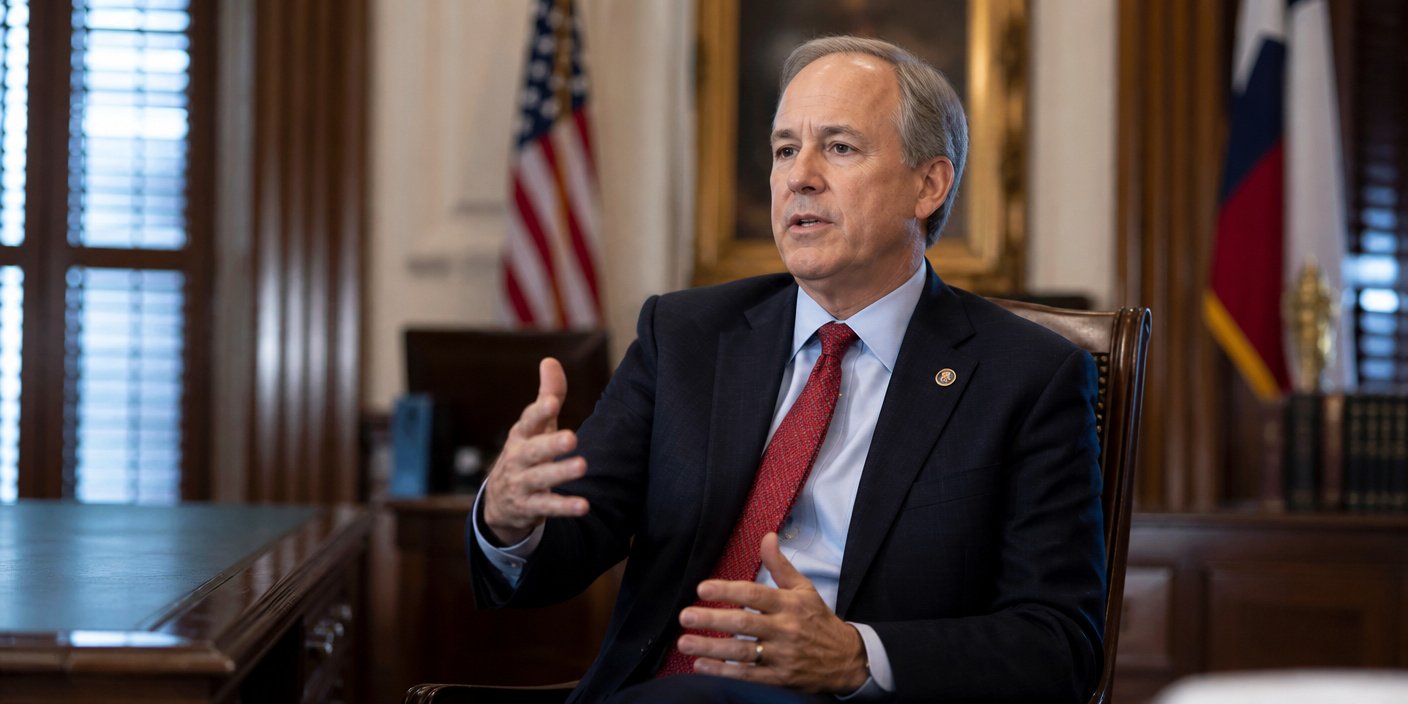
This Democratic runoff election for a key congressional seat has ignited a fierce debate, with “big money” in politics emerging as the central point of contention between incumbent U.S. Representative Al Green and his challenger, Christian Menefee. The race, held in a district where Democratic primary outcomes often dictate general election results, has become a microcosm of the larger struggle within the party to reconcile its progressive ideals with the realities of modern campaign financing. Green, a long-serving member of Congress known for his progressive stances, has made the influence of wealthy donors and corporations a cornerstone of his campaign, arguing that it corrupts the political process and disenfranchises ordinary voters. He has consistently called for significant reforms to campaign finance laws, including public financing of elections and stricter limits on donations.
Green’s Stance: A Call for Reform
“The voice of the people is being drowned out by the roar of big money,” Green stated at a recent campaign rally, echoing sentiments he has voiced for years. “We cannot have a true democracy when elections are bought and paid for by a select few. We need to take our government back from special interests and return it to the citizens.”
His campaign has highlighted statistics on spending by outside groups and the increasing reliance of candidates on large contributions, painting a picture of a system rigged against the average American. Green’s supporters see him as a champion of the working class, fighting against the entrenched power of financial elites. His proposed solutions often involve systemic overhauls, aiming to reduce the reliance on private funding and increase transparency in political spending. He often points to the disparity in resources between grassroots movements and well-funded corporate lobbying efforts as evidence of an uneven playing field.
Menefee’s Approach: Pragmatism Over Purity
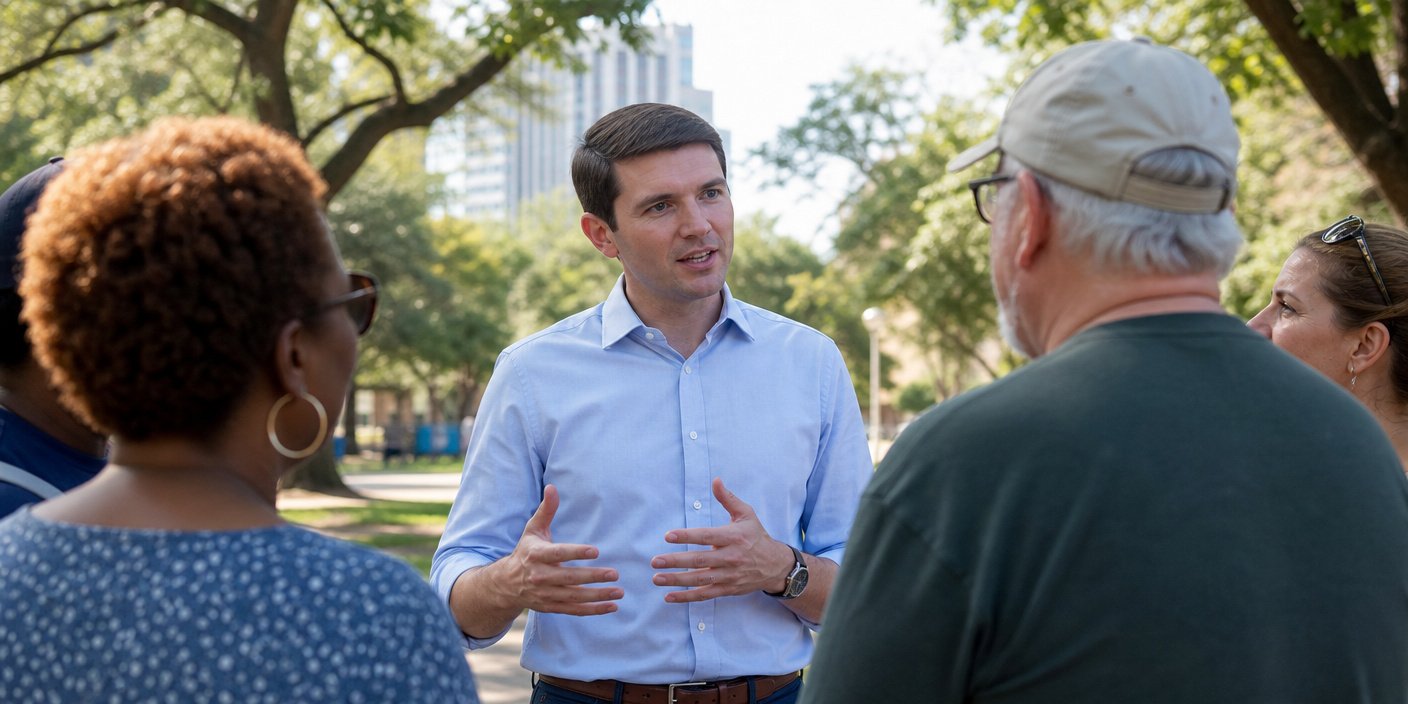
Christian Menefee, a former prosecutor and current Harris County official, presents a different approach. While acknowledging concerns about money in politics, Menefee argues for a more pragmatic strategy, focusing on effective governance and building coalitions rather than solely on dismantling the existing campaign finance system. He suggests that while reforms are necessary, candidates must also navigate the current landscape to be competitive and effect change. Menefee’s campaign has reportedly benefited from significant financial backing, a fact that Green’s team has used to draw a stark contrast. Menefee’s supporters contend that he understands the practicalities of winning elections and governing in a system where fundraising is unavoidable. They argue that his focus on policy and community engagement, rather than ideological purity on campaign finance, makes him a more viable candidate to deliver results for the district.
The Broader Implications
This clash between Green and Menefee goes beyond a single congressional race. It reflects a deeper ideological tension within the Democratic Party between its progressive wing, which often prioritizes systemic change and a more equitable distribution of wealth and power, and its more centrist or pragmatic elements, which tend to focus on incremental reforms and working within existing structures. The debate over “big money” is a proxy for larger discussions about economic inequality, corporate influence, and the very nature of democratic representation. As the election unfolds, voters will have to decide whether they prefer a candidate who champions radical reform or one who seeks to navigate and potentially influence the system from within. The outcome could signal a direction for the party in addressing these complex issues.
FAQ: People Also Ask
What is a Democratic runoff election?
A runoff election is a special election held when no candidate in a primary election receives a majority of the votes. In such cases, a second election is held between the top two vote-getters to determine the winner.
What are the main concerns about “big money” in politics?
Concerns about “big money” in politics typically revolve around the undue influence wealthy individuals, corporations, and special interest groups can exert on elections and policy-making through large campaign donations, lobbying, and independent expenditures. Critics argue it can lead to corruption, inequitable representation, and policies that favor the wealthy over the general public.
How does campaign finance reform aim to address these issues?
Campaign finance reform seeks to limit the influence of money in politics through various measures, such as capping donation amounts, increasing transparency in political spending, providing public financing for campaigns, and restricting the ability of corporations and unions to spend money on elections. The goal is to create a more level playing field and reduce the potential for quid pro quo corruption or the appearance of it.
What is the difference between a primary and a general election?
A primary election is held to select a party’s candidate for an upcoming general election. A general election is the main election where voters choose their representatives from the candidates nominated by the various political parties, or running as independents.
What are the typical arguments for and against stricter campaign finance laws?
Arguments for stricter laws often cite fairness, the reduction of corruption or its appearance, and ensuring that elected officials are responsive to all constituents, not just wealthy donors. Arguments against stricter laws frequently center on free speech rights, the ability of groups to advocate for their causes, and the idea that limiting spending infringes on these rights.