Tacos are becoming a more expensive indulgence across Texas, a culinary staple now facing sticker shock due to a significant rise in beef prices. This trend, directly impacting the cost of popular taco fillings such as barbacoa, brisket, and carne asada, is a direct consequence of several compounding factors affecting cattle ranchers and the broader agricultural sector. Consumers are already beginning to notice the difference on their bills, with many establishments facing difficult decisions on how to absorb or pass on these increased costs. The ripple effect of these beef price hikes is palpable, altering purchasing habits and straining the budgets of both taco vendors and their patrons.
Key Highlights:
- Beef prices are on the rise in Texas, making tacos and other beef-centric dishes more expensive.
- Drought conditions and diminished herd sizes are primary drivers behind the increased cost of beef.
- Concerns regarding the potential spread of the new world screwworm add another layer of uncertainty and cost to the cattle industry.
- Consumers and businesses are adjusting their purchasing behavior in response to the escalating prices.
- Popular taco fillings like barbacoa, brisket, and carne asada are notably affected.
Texas Beef Shortage Fuels Taco Price Hikes
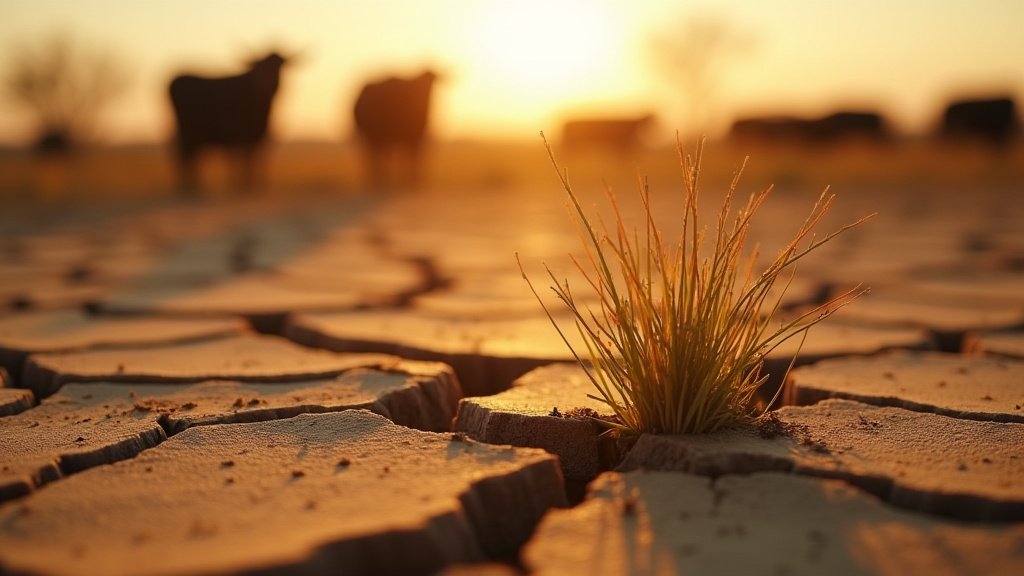
The escalating cost of beef in the Lone Star State is a multifaceted issue, stemming from persistent drought conditions that have strained grazing lands and reduced the availability of feed. This environmental pressure has led to a decrease in cattle herd sizes, a fundamental economic principle dictating that lower supply, coupled with steady or rising demand, inevitably pushes prices upward. Adding to these challenges are ongoing concerns about the potential re-emergence and spread of the new world screwworm, a parasitic insect that can devastate livestock. While preventative measures are in place, the mere threat can trigger increased costs for ranchers in terms of monitoring, treatment, and precautionary herd management. These combined pressures create a challenging environment for beef producers, which then translates directly to higher prices for consumers and businesses alike.
The Economic Squeeze on Taquerias
For Texas’s numerous taquerias and Mexican restaurants, the surge in beef prices presents a significant operational challenge. Many of these establishments pride themselves on offering authentic, high-quality tacos, often featuring slow-cooked or expertly grilled beef cuts. The increased cost of key ingredients like brisket for brisket tacos, or chuck for carne asada, directly impacts their profit margins. Some businesses may attempt to absorb these costs, leading to reduced profitability, while others are forced to increase menu prices, a move that risks alienating price-sensitive customers. There’s also a potential shift towards using less expensive cuts of meat, or even incorporating alternative proteins, though this could compromise the traditional flavor and authenticity that Texans often seek.
Consumer Adjustments and Evolving Tastes
On the consumer side, the rising cost of beef tacos means a change in spending habits. Regular patrons might find themselves ordering tacos less frequently, opting for smaller portions, or choosing establishments that offer more budget-friendly options. Some may pivot to chicken or vegetarian tacos, which may not be as directly affected by the beef price increase. The traditional Tex-Mex experience, deeply rooted in beef-centric dishes, is undergoing a subtle evolution as economics play a larger role in diner choices. This dietary shift, driven by affordability, could have long-term implications for the popularity of certain types of tacos and Mexican cuisine in the state.
Drought’s Long Shadow on Texas Agriculture
The ongoing drought is a critical underlying factor exacerbating the beef price situation. Texas, a major cattle-producing state, relies heavily on rain for pasture and water for livestock. When these resources become scarce, ranchers face difficult decisions, including selling off portions of their herds earlier than planned, which further impacts supply. The long-term viability of cattle ranching in certain regions is increasingly being questioned as climate patterns shift, creating a precarious future for beef production and, by extension, the affordability of beef-based products like tacos.
FAQ: People Also Ask
Q1: Why are beef prices increasing in Texas specifically?
A1: Beef prices in Texas are rising due to a combination of severe drought impacting grazing lands and water availability, a subsequent decrease in cattle herd sizes, and concerns about potential livestock diseases like the new world screwworm, all of which increase production costs and reduce supply.
Q2: Which taco fillings are most affected by the beef price increase?
A2: Popular taco fillings such as barbacoa, brisket, and carne asada are particularly affected because they are typically made from more expensive cuts of beef whose prices have seen significant hikes.
Q3: How are consumers reacting to the rising cost of tacos?
A3: Consumers are adjusting their purchasing habits by potentially ordering tacos less often, choosing smaller portions, or opting for less expensive alternatives like chicken or vegetarian tacos.
Q4: What are the long-term implications of these price increases for the Texas food industry?
A4: The long-term implications may include permanent menu price adjustments for restaurants, shifts in consumer preferences towards alternative proteins, and increased pressure on cattle ranchers to adapt to changing environmental and economic conditions.
Q5: Is the new world screwworm a significant factor in current beef prices?
A5: While not the primary driver, concerns about the new world screwworm contribute to the overall uncertainty and can add to the cost of cattle production and management, thus playing a role in the broader economic pressures affecting beef prices.