

Texas is rapidly emerging as the new epicenter of American economic activity, challenging New York’s long-held status as the nation’s financial and cultural capital. Driven by a confluence of favorable business policies, a growing population, and a burgeoning tech sector, the Lone Star State is increasingly attracting major corporations and skilled workers, signaling a significant shift in the country’s economic gravity.
Key Highlights:
- Favorable business climate and lower taxes are luring companies away from traditional hubs.
- A booming population influx brings both consumer demand and a larger labor force.
- The technology and energy sectors are experiencing substantial growth and innovation.
- Major corporations are relocating headquarters and operations to Texas.
- The state is developing robust infrastructure to support its expansion.
The Shifting Sands of American Commerce
Texas’s ascent as a pivotal economic force is not a sudden development but rather a culmination of strategic state policies and organic growth. For decades, Texas has cultivated an environment that is highly attractive to businesses. Its hallmark is a lack of state income tax, which appeals to both corporations and their employees. This, coupled with comparatively lower corporate tax rates and business-friendly regulations, has created a powerful incentive for companies to consider Texas for their operational base or headquarters.
Corporate Exodus and Influx
The most visible manifestation of this trend is the steady stream of major corporations relocating their headquarters or significantly expanding their operations in Texas. Companies like Tesla, Oracle, and Hewlett Packard Enterprise have all made significant moves, citing the business-friendly environment, access to talent, and lower operating costs as key drivers. This migration isn’t limited to tech giants; it spans various industries, from finance and manufacturing to energy and logistics. The ripple effect of these relocations is substantial, creating jobs, stimulating local economies, and fostering innovation hubs across the state, particularly in cities like Austin, Dallas, and Houston.
Demographic Dynamics and Talent Pool
Beyond corporate relocations, Texas’s demographic shifts are playing a crucial role. The state has consistently been among the fastest-growing in the U.S. for years. This population growth is fueled by both domestic migration from other states and international immigration. This influx provides a burgeoning consumer market for businesses and, critically, a expanding pool of talent. While traditionally known for its strength in the energy sector, Texas has actively diversified its economy. The tech industry, in particular, has seen explosive growth, with cities like Austin earning the nickname ‘Silicon Hills.’ This expansion has been supported by universities producing skilled graduates and by the general attractiveness of the state to professionals seeking opportunity and a lower cost of living compared to established tech hubs like Silicon Valley.
Innovation in Energy and Beyond
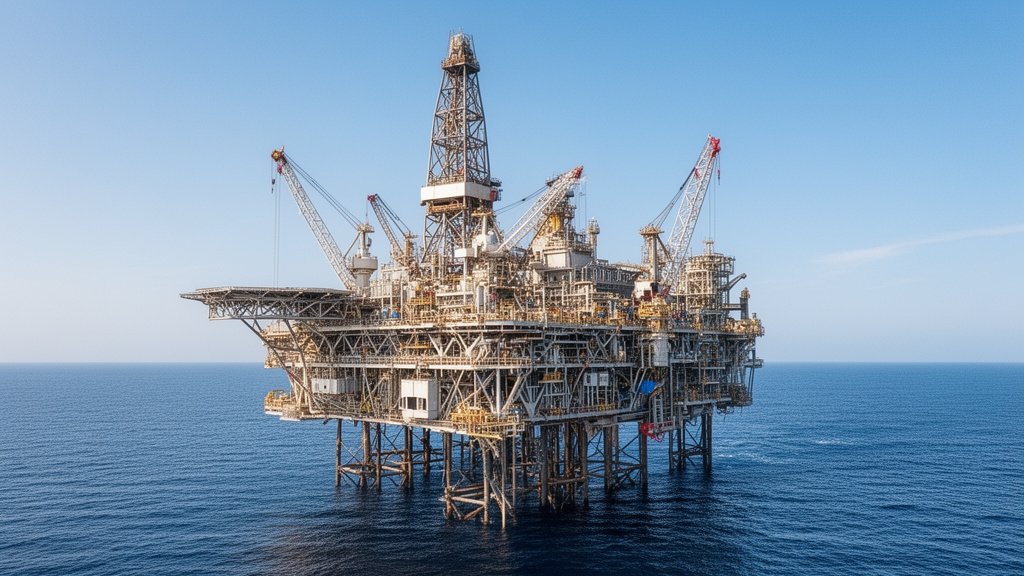
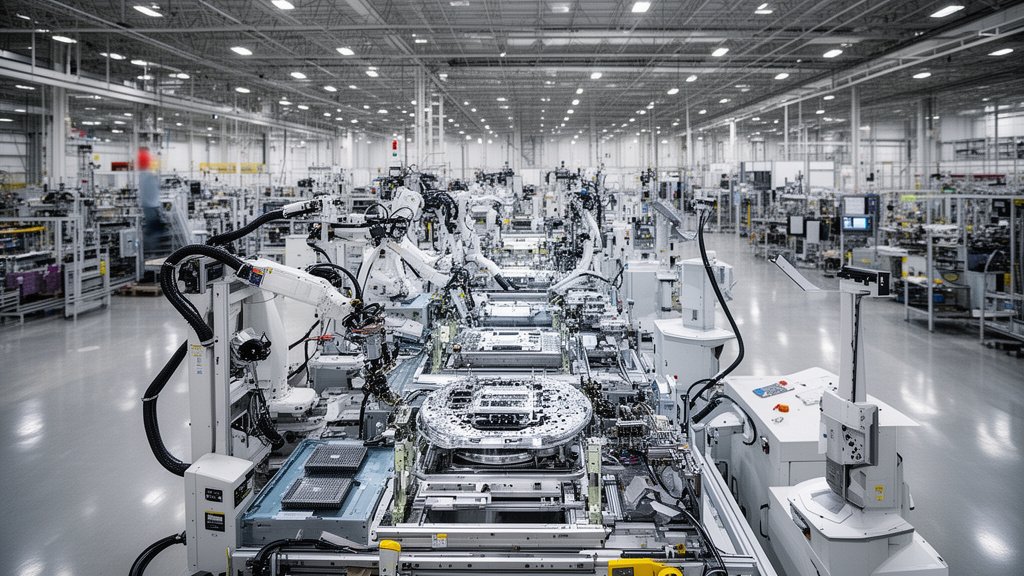
While often associated with oil and gas, Texas’s energy sector is also at the forefront of innovation, increasingly embracing renewable energy sources alongside traditional ones. The state leads the nation in wind power generation and is making significant investments in solar and other clean technologies. This dual focus on established and emerging energy markets positions Texas as a unique player in the global energy transition. Furthermore, advancements in aerospace, biotechnology, and advanced manufacturing are contributing to a more resilient and diversified economic landscape.
Infrastructure and Future Outlook
To support its rapid growth, Texas is heavily investing in infrastructure. This includes expanding transportation networks, enhancing power grid capabilities, and developing robust digital infrastructure. These investments are critical for accommodating the increasing population and business activity, ensuring that the state can sustain its economic momentum. The long-term outlook for Texas as an economic powerhouse appears strong, provided it can continue to manage its growth effectively, address challenges such as urban sprawl and resource management, and maintain its appealing business environment.
FAQ: People Also Ask
What factors are driving Texas’s economic growth?
Texas’s economic growth is driven by a combination of business-friendly policies, including lower taxes and regulations, a growing and increasingly skilled population, significant investments in infrastructure, and a strong performance in key sectors like technology, energy, and manufacturing.
How does Texas’s tax structure compare to New York’s?
Texas has no state income tax for individuals or corporations, which is a major draw for businesses and residents compared to New York, which has a progressive state income tax. While Texas has property and sales taxes, the absence of an income tax often results in a lower overall tax burden for many.
What industries are booming in Texas?
Key booming industries in Texas include technology (software development, semiconductors, IT services), energy (oil, gas, and renewables), advanced manufacturing, aerospace, biotechnology, and logistics. Cities like Austin, Dallas, Houston, and San Antonio are major hubs for these sectors.
Will Texas truly overtake New York economically?
Texas is increasingly challenging New York’s economic dominance, particularly in terms of population growth and corporate relocation. While New York remains a global financial center with a highly diversified economy, Texas’s trajectory suggests it will continue to gain significant economic influence and potentially surpass New York in certain key economic metrics in the coming years.
What are the potential challenges for Texas’s continued growth?
Potential challenges for Texas’s continued growth include managing rapid population increases, strain on infrastructure (especially power grids and water resources), urban sprawl, affordability in booming cities, and ensuring educational and social services keep pace with economic expansion.